Vail Daily Opinion: Why Your Skepticism Is Killing Trust
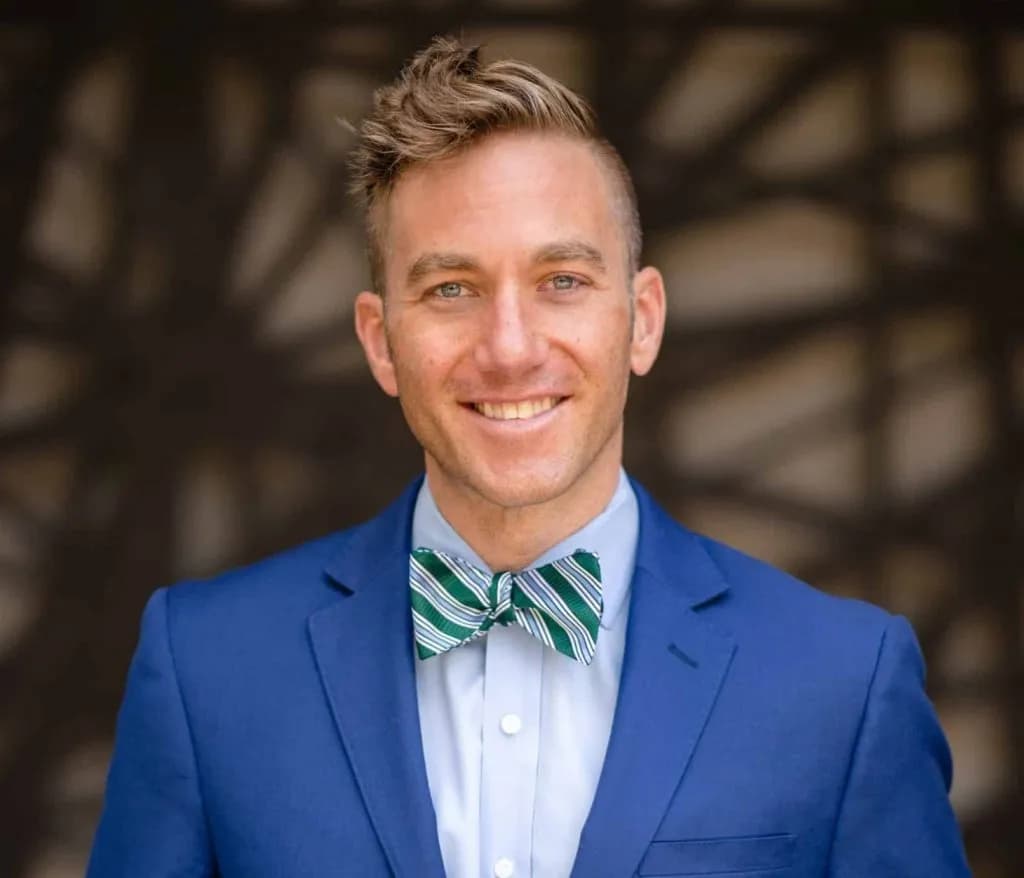
Vail Daily opinion writer Norton argues that modern skepticism erodes personal connection, outlining four specific steps to initiate, earn, build, and maintain trust in everyday interactions.

Aspen —The phone rings. It’s an unfamiliar number, a string of digits that means nothing to you, and before the second ring even finishes, your brain has already drafted a list of grievances. It’s a sales call. It’s debt collection. It’s the telemarketer who thinks you still own that 2014 sedan you sold three years ago. We have become experts at the flinch, a conditioned reflex that protects us from the noise of modern life. But as Vail Daily opinion writer Norton argues, that same reflex is quietly eroding the quiet, unglamorous work of connection.
It’s a counterintuitive take for a culture that worships boundaries, but Norton makes the case that skepticism has become our default setting, and it’s bleeding into the relationships that actually matter. We question motives before they’re formed. We anticipate disappointment before it arrives. We keep our guards up, and in doing so, we leave ourselves feeling disconnected from the very people who need us.
Trust isn’t a switch you flip; it’s a muscle built in the mundane, unscripted moments. Norton breaks it down into four connected responsibilities: initiating, earning, building, and maintaining. It’s a framework that strips away the mystique of trust and replaces it with labor.
Initiating trust means creating room for it. It looks like putting down the phone. It looks like asking a thoughtful question and staying interested long enough to hear the answer, rather than waiting for your turn to speak. It’s about clarity — knowing what you need from one another and asking for it directly. Norton suggests a specific phrase for those of us who can’t resist fixing everything: “Would you like me to help you think through this, or do you just need me to listen?” It’s a simple question that changes the entire trajectory of a conversation, yet most of us skip it in favor of our brilliant solution.
Earning trust requires seeking to understand, not just agreeing. When someone tells you they’re frustrated or worried, the instinct is often to rush in with an explanation for why they shouldn’t feel that way. But understanding doesn’t require agreement. It requires asking, “What has been hardest for you?” or “What am I missing?” People learn to trust us when they discover they can tell us something difficult without being dismissed, corrected, or turned into tomorrow’s gossip.
Building trust is where intention meets action. Good intentions are hollow without follow-through. If we promise to call, we call. If we commit to helping, we help. And if we can’t do what someone asks, we say so honestly instead of offering a convenient yes that becomes an inconvenient disappointment. Norton uses the example of a neighbor watering your plants while you’re away. The offer opens the door to trust; asking which plants need attention shows care; keeping them alive builds confidence. But discovering that your prized fern has become a crispy centerpiece? That requires a different conversation. The point is simple: people learn whether they can trust us by experiencing what happens after we make a promise.
Maintaining trust is the part most of us neglect because familiarity makes us careless. We assume our spouse knows we appreciate them. We assume our friends understand our silence. We stop doing the work because we think it’s already done.
There’s a warmth to this perspective that feels almost radical in its simplicity. It doesn’t ask us to be perfect or to never miss a beat. It asks us to be consistent. In a region where we value our independence and our space, the idea that trust is built in the everyday moments — through a listened-to question, a kept promise, a continued care, is a challenge to our default setting. It’s not about being open to everyone; it’s about being present with the people who are already in your life. The next time that phone rings with an unfamiliar number, maybe let it ring a little longer before you decide who’s on the other end.
Keep up with Aspen
The day's Western Slope news, one email each morning. Free.