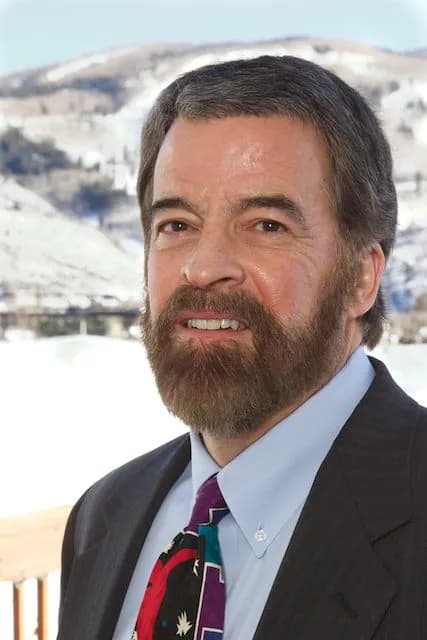
Vail Columnist Argues I-70 and Ski Slope Etiquette Is Collapsing
Vail Daily columnist Voboril argues that informal codes governing I-70 and ski slopes are failing as wealthier, less self-aware visitors arrive, breaking the local social contract.
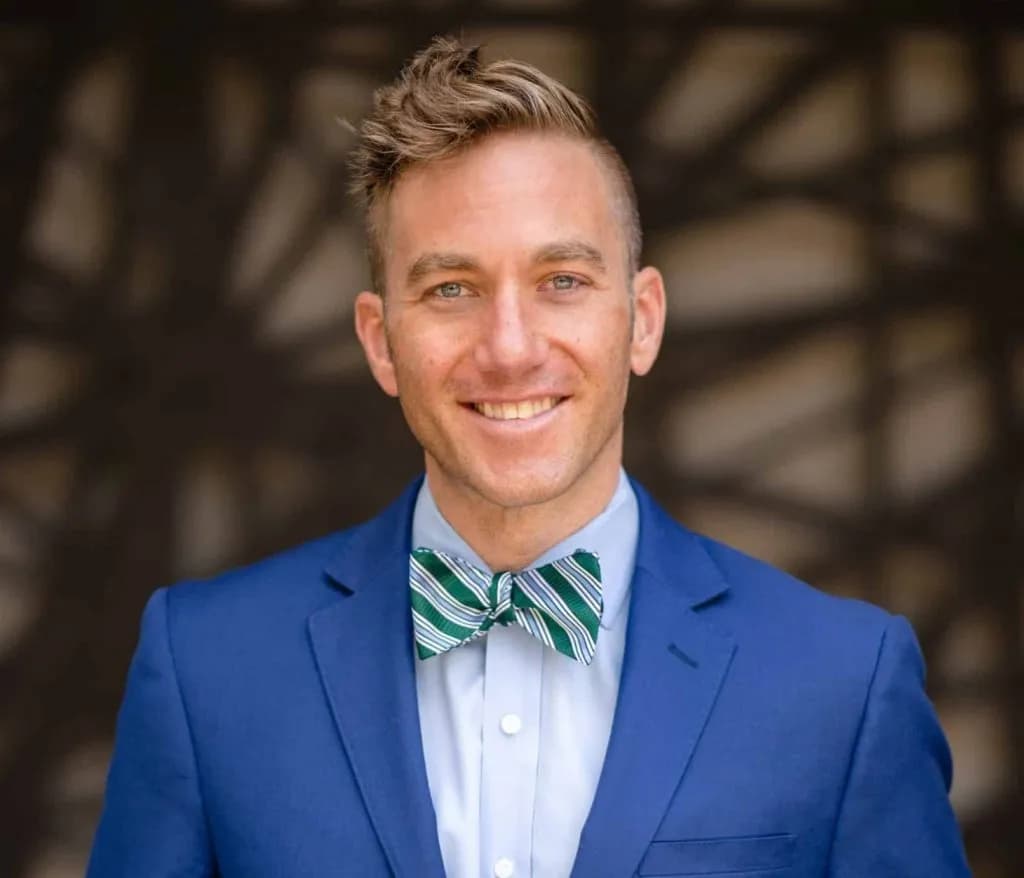
Aspen —Vail Daily opinion columnist Voboril argues that the informal codes of conduct governing Interstate 70 and local ski slopes are failing as the region attracts wealthier, less self-aware visitors.
The core problem, Voboril contends, is that while statutory frameworks exist to keep order on highways and hills, enforcement is fickle. Instead, daily travel relies on self-policing. Public shaming serves as the primary punishment for transgressors, yet it proves nearly impossible to censure the truly shameless. This dynamic creates a volatile mix where peace and chaos intermingle in unpredictable ways, making it difficult to forecast whether a given interaction will result in elation or destruction.
On the road, the situation is particularly mystifying. Voboril notes that allowing the general populace to pilot half-ton hulks of metal at high speed over long distances is inherently dangerous. The aisles of City Market are dangerous enough, he writes, that it is a miracle driving on the freeway doesn't result in immediate death for all involved. The cast of characters on the main thoroughfare is captivating enough to win a Screen Actors Guild award, ranging from a left-lane driver traveling at 45 mph while texting and applying makeup to an emotionally stunted man blasting music while doing 105 mph in a blizzard. Corraging the behavior of these individuals is extremely challenging because they are so lost in their own worlds that their surroundings are merely an inconvenient blur.
The ski industry presents a similar, though perhaps more pronounced, challenge. As the sector shifts away from simple, wholesome family fun toward a luxury experience catering to arrivistes and dilettantes, encouraging good behavior on the hill becomes exceedingly difficult. For titans of industry and influencers, the reproach of a fellow skier is anathema and inexplicable. These individuals are so accustomed to being coddled and worshipped that they believe they cannot possibly do any wrong. They feel entitled to scream about their private equity deals or brand activations while standing perpendicular to the lift line. It is a mystery, Voboril suggests, how anyone dares sanction such figures when they ski into a child while sending videos of their shredding or outfit photos to their followers.
The question is whether these informal norms can survive the influx of new residents and tourists who view the mountain and the highway as extensions of their personal comfort zones rather than shared public spaces. To hear them tell it, the rules apply to everyone else, but not to themselves. That depends on who you ask, but the math holds up when you look at the sheer volume of vehicles and skiers operating simultaneously in confined spaces.
Voboril’s piece highlights a tension between the traditional, community-oriented culture of the area and the new, individualistic culture brought by economic growth. The highway, which was always relatively lawless, now faces new forms of distraction and entitlement. The ski hill, once defined by the Skier’s Responsibility Code, now struggles with a demographic that views courtesy as optional.
This is not just about traffic jams or crowded lifts. It is about the social contract that allows thousands of people to coexist in a small geographic area. When that contract breaks down, the cost is paid by everyone, from the daily commuter stuck in gridlock to the family trying to enjoy a day on the slopes without feeling like they are in a combat zone.
The challenge for the community is to find a way to enforce these codes without becoming tyrannical or overly litigious. It requires a balance between firmness and grace, between holding people accountable and giving them the benefit of the doubt. It is a delicate balancing act, one that requires constant attention and adjustment.
As the population grows and the economy diversifies, the pressure on these shared spaces will only increase. The informal codes that have served us well in the past may need to be updated and reinforced. This might involve clearer signage, more visible enforcement, or even community education campaigns. It might also involve a cultural shift, where newcomers are encouraged to learn and respect the local norms.
The road ahead is uncertain, but the need for clear, fair, and consistently applied rules is clear. Without them, the friction between different groups will continue to build, leading to more conflict and less harmony. With them, there is a chance that we can maintain the peace and the joy that make life here so special.
Voboril leaves readers with the understanding that knowing the code is not just about avoiding trouble; it is about contributing to the collective well-being. It is about recognizing that our actions affect others, and that a little consideration goes a long way. In a world that often feels fragmented and disconnected, this simple principle offers a path toward greater unity and mutual respect.
Keep up with Aspen
The day's Western Slope news, one email each morning. Free.