Colorado’s Historic Road Funding Boosts Western Slope Rural Repairs
Analysis of how Colorado's bipartisan infrastructure bills are finally delivering historic funding to rural Western Slope roads, improving safety and economic mobility despite inflation pressures.

Colorado —"Colorado is building on its historic transportation investment, and we need to keep the momentum going."
That’s the pitch from the Polis administration and legislative leadership, and if you look closely at the data just released by the Colorado Department of Transportation, there’s a tangible truth to it. The new pavement quality metrics show that after years of deferred maintenance and inflation eating away at buying power, the state’s roads are actually getting better. But for folks around here, on the Western Slope, the headline isn’t just that the roads are improving — it’s that the money is finally flowing where it’s needed most, even if the potholes still wait for you on your morning commute.
The engine behind this shift is a series of bipartisan bills that have fundamentally changed how Colorado pays for its infrastructure. Senate Bill 260, passed in 2021, established a user-contributes model that feels less like a tax hike and more like a fairer division of labor. It’s a system where drivers of gas and electric cars, diesel truckers, and even those who just benefit from the delivery of their Amazon packages all pay their share. And the vast majority of that funding — about three-quarters of the more than $5 billion projected over the next decade, is going directly to roads, bridges, and tunnels.
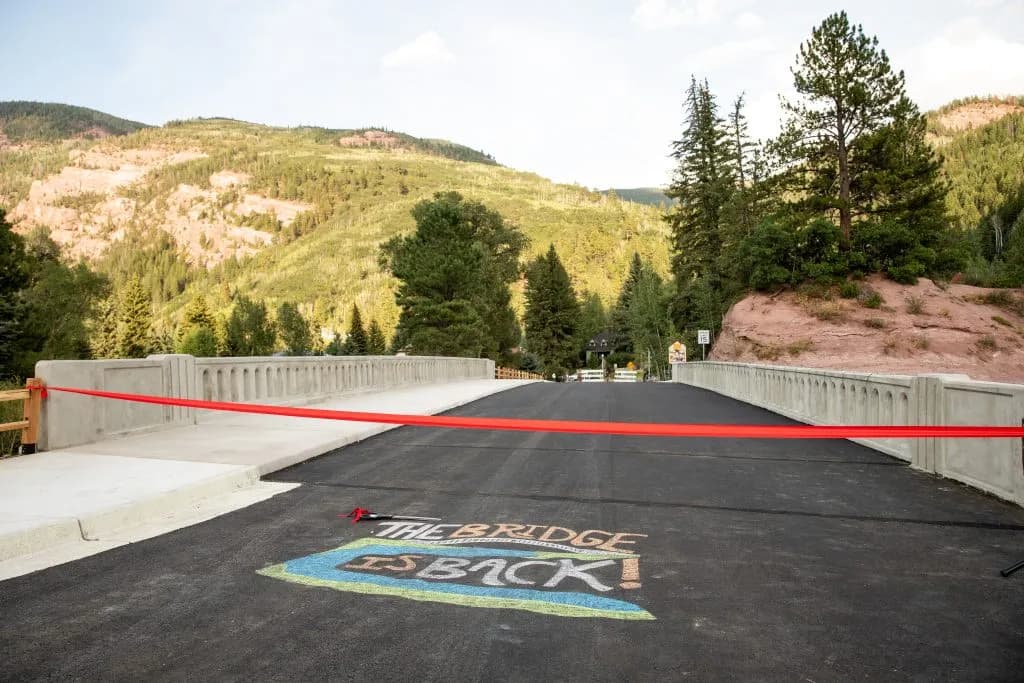
You can feel the impact in the places that have been left behind for too long. The bill has leveraged major federal grants for safety projects on U.S. 287 in northern Colorado and U.S. 160 Elmore’s East in the southwest. But the real story for the Western Slope is the rural road repairs. This is the largest investment in rural road repairs in modern Colorado history. If you’ve driven the backroads of Delta or Montrose counties, you know the difference that fresh asphalt and stabilized gravel make. It’s not just about comfort; it’s about safety, about getting your equipment to the job site, and about keeping the local economy moving.
Then there are Senate Bills 184 and 230, passed in 2024, which set up breakthrough funding streams for transit and passenger rail. These aren’t just for the Denver metro area. They support statewide investments like the passenger rail link between Denver and Fort Collins, the Mountain Rail system, and popular Bustang routes. Colorado already holds the title of the largest rural transit provider in the country, and these targeted investments are separate from the core road programs, ensuring that buses and trains get the attention they need alongside the highways.
The numbers are compelling. In 2027 alone, these bills will deliver over $600 million in new transportation funding, with most of it dedicated to roads and bridges. That’s not just a statistic; that’s a new layer of pavement on the I-70 Vail Pass, it’s the expansion of I-25 North, and it’s over $100 million in repairs to the Eisenhower-Johnson Memorial tunnels. It’s also funding the build-out of reliable charging infrastructure for electric vehicles, ensuring that the transition to cleaner energy doesn’t leave rural drivers stranded.
But the story isn’t without its rough edges. Inflation has eroded the buying power of every dollar, meaning that while the investment is historic, the cost of materials and labor has risen in tandem. The state is working through compromise and coalition building; the Colorado way - to keep the momentum going, but the pressure is on. The question isn’t whether we can afford to fix our roads; it’s whether we can keep the funding steady enough to maintain them.
As the sun sets over the Grand Junction valley, the dust from the construction crews settling on the windshield, you realize that infrastructure is never truly finished. It’s a living thing, requiring constant care. The new data shows we’re finally paying that care forward, but the road ahead remains long, winding, and demanding.
Keep up with Colorado
The day's Western Slope news, one email each morning. Free.
Federal Report Sets 200,000 Acre-Foot Water Conservation Target for Upper Basin
Colorado Parks and Wildlife Deploys Precision Drones for Weed Control