CPW Kills Elusive Wolf After Year-Long Hunt Over Rio Blanco Sheep Losses
Colorado Parks and Wildlife finally killed an elusive, uncollared wolf in June after a year-long saga that claimed 22 sheep from a Rio Blanco County producer, overcoming wildfires and failed lure attempts.
Aspen —What happens to the sheep rancher when the state finally finds the wolf killing his livestock, only to have it vanish into the woods again?
That’s the story Colorado Parks and Wildlife (CPW) laid out in a new report released Monday, July 13. It’s a four-attempt saga involving one elusive, uncollared wolf and a Rio Blanco County producer who watched 22 sheep die between July 2025 and June 2026.
The wolf was finally killed on June 12 in Routt County. But the path to that kill shot was anything but straightforward. The report details a frustrating cycle of identification, failed lures, wildfires, and thermal optics that kept the agency chasing a ghost for nearly a year.
To understand the weight of this, you have to look at the producer’s side first. The initial attack happened on July 20, 2025, in Rio Blanco County. The report notes the producer had already done a site assessment and found no known attractants — no piles of feed, no open garbage, nothing obvious drawing the predator in. They were running a range rider shared with neighbors, had guard dogs, and had sheep herders on the ground.
It wasn’t enough.
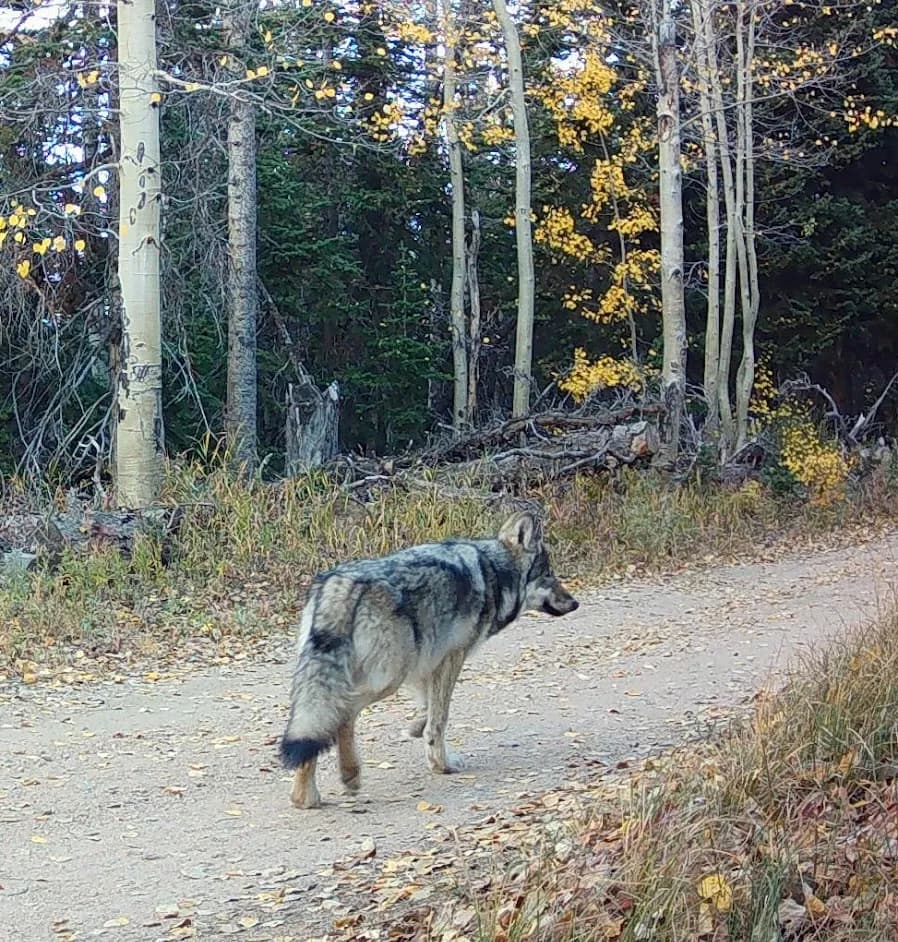
Within a month, the same producer lost two more lambs and a ewe. The attacks occurred within a tight 6.5-mile radius across two grazing allotments on July 22, Aug. 2, and Aug. 16. CPW confirmed these were wolf attacks. The evidence was converging: photographs of a wolf in the area, collar data from other pack members, tracks, and vocalizations all pointed to a single, uncollared individual.
This wolf was born to the Copper Creek pack in 2024. It had been separated from its pack in September 2024 when the rest of the group was temporarily relocated to a wildlife sanctuary. It stayed behind.
The situation met the definition of "chronic depredation" after the Aug. 2 event — three confirmed attacks within 30 days despite active deterrence efforts. The state had the authority to kill it under its special 10(j) rule with the U.S. Fish and Wildlife Service. Federal wildlife agencies were consulted for all four attempts.
But nature had other ideas.
Wildfires broke out in the area, grounding the agency’s efforts. They couldn’t move in until Aug. 13.
When they did, they tried to lure the wolf out using recorded animal sounds. Nothing. They went to the sheep herd with thermal optics and spotted the wolf. They shot it that night.
Then it disappeared.
The report states that CPW and its partners at the U.S. Department of Agriculture’s Wildlife Services used dogs to track the wounded animal for five days. They couldn’t find it. It took until June 12, in Routt County, to finally put down the wolf.
This was the second wolf killed due to livestock conflict since CPW began its wolf reintroduction in December 2023. The first was a yearling from the same Copper Creek pack litter, killed in May 2025 in Pitkin County.
The question now is whether the producer feels the wait was worth it. The report confirms the wolf responsible for the bulk of the losses was taken down. But for the rancher who had to manage guard dogs, range riders, and the constant anxiety of another lamb dying before the fires cleared, the timeline feels long.
The agency’s strategy relied on patience and technology, thermal optics, tracking dogs, and recorded calls. It worked, eventually. But it also highlights the difficulty of managing a predator that doesn’t wear a GPS collar and doesn’t care about your property lines.
The wolf is dead. The sheep attacks have stopped. Now, the state has to decide if this was a one-off or a pattern.
Keep up with Aspen
The day's Western Slope news, one email each morning. Free.