Craig Coal Plant Reopens Due to Federal Orders
The Craig coal plant, previously set to close, has reopened due to federal orders, raising questions about maintenance costs and environmental impact.
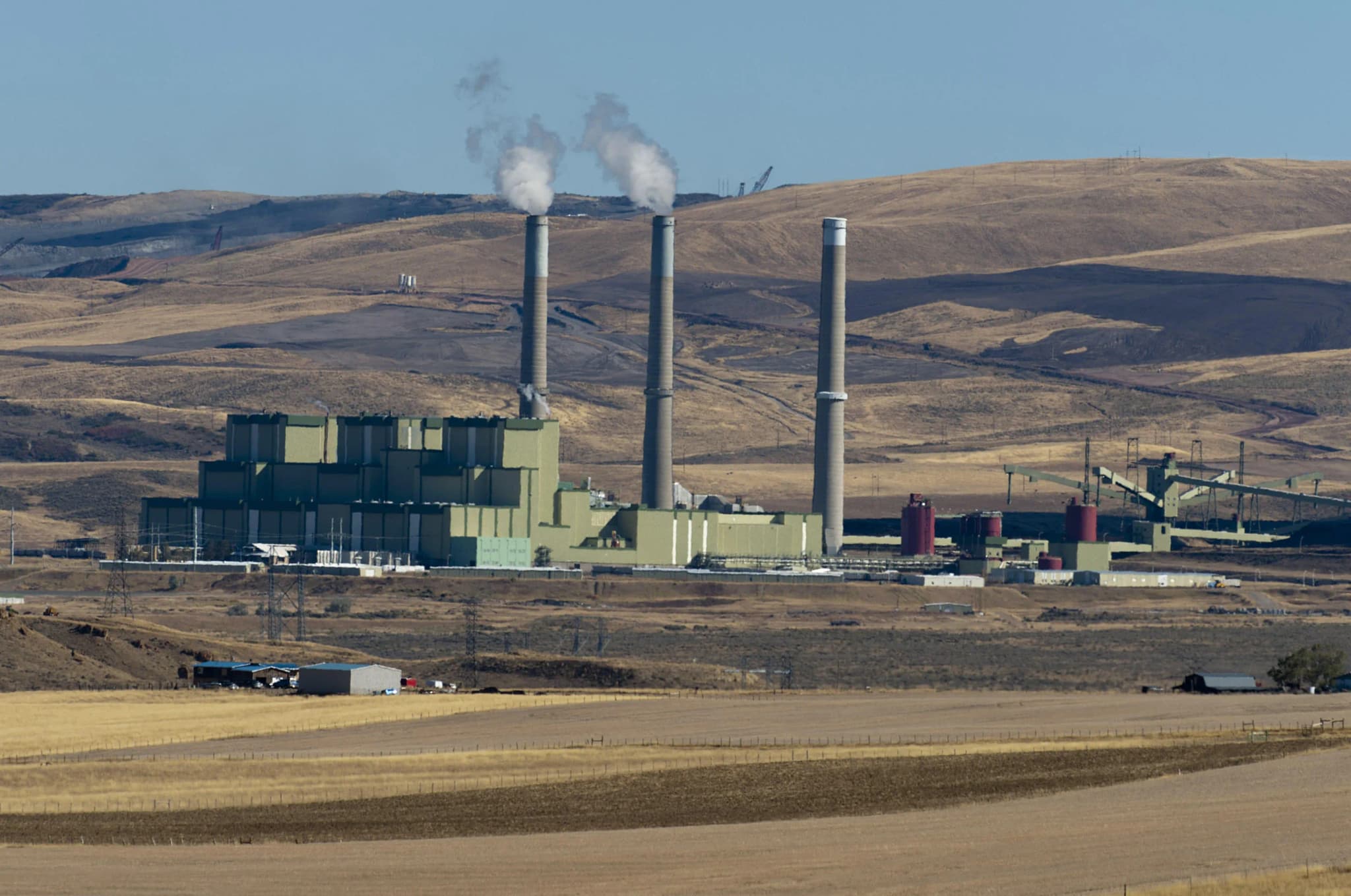
Steamboat Springs —$140 million. That's what Tri-State Generation and Transmission had planned to save by shuttering Craig Unit 1, a coal-burning power plant in northwestern Colorado, at the end of 2025. But those plans were put on hold due to federal emergency orders from the Trump administration, requiring the co-op to keep the generating unit in good repair and available to operate. Now, after a resource advisory from the Southwest Power Pool's Western Interconnection, Craig Unit 1 is burning coal and sending electricity out onto the grid.
For context, the Craig Station, run by Tri-State Generation, is a coal-fired electric plant southwest of Craig, with the Trapper coal mine in the background. The plant has been a topic of discussion among locals, with many aware of the planned closure. However, the recent developments have raised questions about the future of the plant and its impact on the community.
Let's do the math. The power pool only pays the market rate for the electricity it asks Tri-State to generate. This means that Tri-State will not be able to recover the broader fixed costs of maintaining and operating a coal unit that it had preferred to shut down. On paper, this might seem like a viable solution, but in practice, it's a different story. The costs of maintaining the plant will still be borne by Tri-State, and ultimately, its customers.
Mark Stutz, a spokesperson for Tri-State, said that Craig was continuing to generate coal power for grid buyers through at least Friday, absent new instructions from the pool. However, this does not address the larger issue of who will pay for the maintenance and operation of the plant. The community is still waiting for answers on this question.
It's worth noting that the Craig Station is not the only power plant in the area. Tri-State is one of five owners of three units at Craig, also known as the Yampa Project. The other owners had agreed on the previously planned closure dates for Units 1 and 2. However, with the recent developments, it's unclear how this will affect the future of the plant.
The decision to keep the coal-burning unit operational has been met with resistance from environmental groups and the Colorado attorney general, who are fighting the Department of Energy emergency orders in court. The orders, issued by the Trump administration, have been seen as an attempt to prop up the coal industry. However, the reality is that the cost of maintaining and operating a coal unit is high, and it's unclear who will bear those costs.
In the end, the practical impact of this decision will be felt by the community. The cost of maintaining and operating the plant will be passed on to customers, and the environmental impact of burning coal will still be a concern. For folks around here, the question remains: who will pay for the broader fixed costs of maintaining and operating a coal unit that Tri-State preferred to shut down? The answer to this question will have a significant impact on the community, and it's one that we will be watching closely.
The community is still waiting for answers on how this will affect their electricity bills and the environment. One thing is no longer the case - the plant's planned closure is now on hold. As the situation continues to unfold, the community will be watching closely to see how this decision affects them.
Keep up with Steamboat Springs
The day's Western Slope news, one email each morning. Free.