Craig Engineer James Kellogg Pitches Local Energy Plan for House District 26
Craig engineer James Kellogg runs for House District 26 on a platform to localize energy production, arguing state climate mandates threaten local jobs and inflate utility bills.
Steamboat Springs —The morning air in Craig is sharp, carrying the faint, persistent smell of coal dust that has defined the town’s skyline for decades. The Craig Generating Station sits on the edge of the Yampa River, a massive industrial anchor that has powered Colorado’s grid since 1968. For the workers who clock in there, it is not just a job; it is the economic spine of the community. But that spine is under threat, and one local engineer believes he has the blueprint to save it.
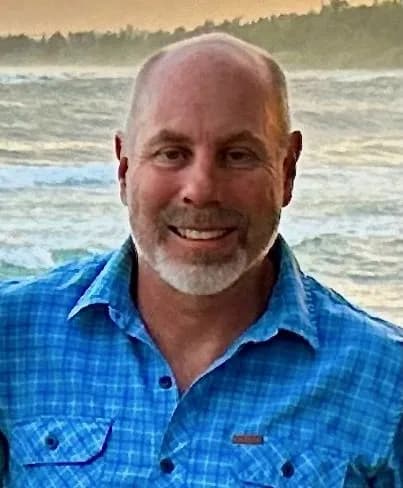
James Kellogg is running for House District 26, a seat that covers the rugged terrain of Moffat and Routt counties. In an opinion piece published in the Steamboat Pilot, Kellogg outlines a platform built on three pillars: affordability, local energy, and water rights. He argues that the Western Slope’s current struggles are not accidental but the result of two decades of what he calls "Democrat control" in Denver.
To hear him tell it, the state has become a laboratory for bureaucratic inefficiency. Kellogg cites studies from the Colorado Chamber of Commerce, noting that while Colorado is now the fourth most expensive state to live in and sixth worst for regulatory burden, its infrastructure has actually improved. He points out that the condition of highways and bridges has risen from last place to eighth, a statistic he uses to argue that the problem isn’t a lack of funds, but a mismanagement of them.
Kellogg brings a specific professional lens to this argument. For nearly 30 years, he has worked as an engineering consultant specializing in geotechnical, geologic, and water-resources projects across western Colorado. He has worked for the Colorado Division of Water Resources and in private-sector consulting. His daily life is governed by defined scopes, schedules, and budgets. He contrasts this with how he sees Denver politicians operating: without those constraints.
The question is whether a state legislator can operate with the same precision as an engineering project manager. Kellogg believes they must, particularly when it comes to housing. He targets the Sustainable Affordable Housing Assistance Act, SB24-174, arguing that it increases bureaucratic burdens on local governments and slows construction. He favors enabling the private sector to build attainable housing through modular and prefab methods, free from what he views as top-down mandates that strain local resources.
The stakes are highest in the energy sector. House District 26 helps power Colorado, but Kellogg argues that state climate policies are forcing the closure of local energy production. He points to HB19-1261, a climate action plan that he says inflates utility bills and threatens hundreds of high-paying jobs. He also criticizes SB24-230, which imposed quarterly fees on oil and gas production to fund "clean transit" projects in other parts of the state. To Kellogg, that is a transfer of wealth from the Western Slope to the rest of Colorado.
His solution is not to abandon energy production, but to localize it. If a coal-fired power plant closes, Kellogg says the state must demand local replacement of production. He argues that the region already has experienced workers, an existing distribution grid, and community acceptance for energy projects. The infrastructure is there; the political will to use it locally is what’s missing.
Kellogg’s campaign rests on a simple premise: that the Western Slope needs problem-solvers who provide measurable results without emptying residents’ wallets. He is not asking for more legislation, but for the removal of what he calls excessive regulations and layers of bureaucracy.
For now, the Craig Generating Station continues to hum, its smokestacks visible from miles away. Kellogg’s plan is to ensure that when the next chapter of Colorado’s energy story is written, it doesn’t end in a blackout for the communities that built it.
"I will fight against mandates that are shutting down local energy production," Kellogg wrote in the Pilot. "If a coal-fired power plant does close, we must demand local replacement of production."
Keep up with Steamboat Springs
The day's Western Slope news, one email each morning. Free.