Weiser Cites 85 Federal Lawsuits in 2026 Governor Run
Attorney General Phil Weiser announced his 2026 gubernatorial bid, citing a record of suing the federal government and promising new housing and healthcare initiatives for rural Colorado.
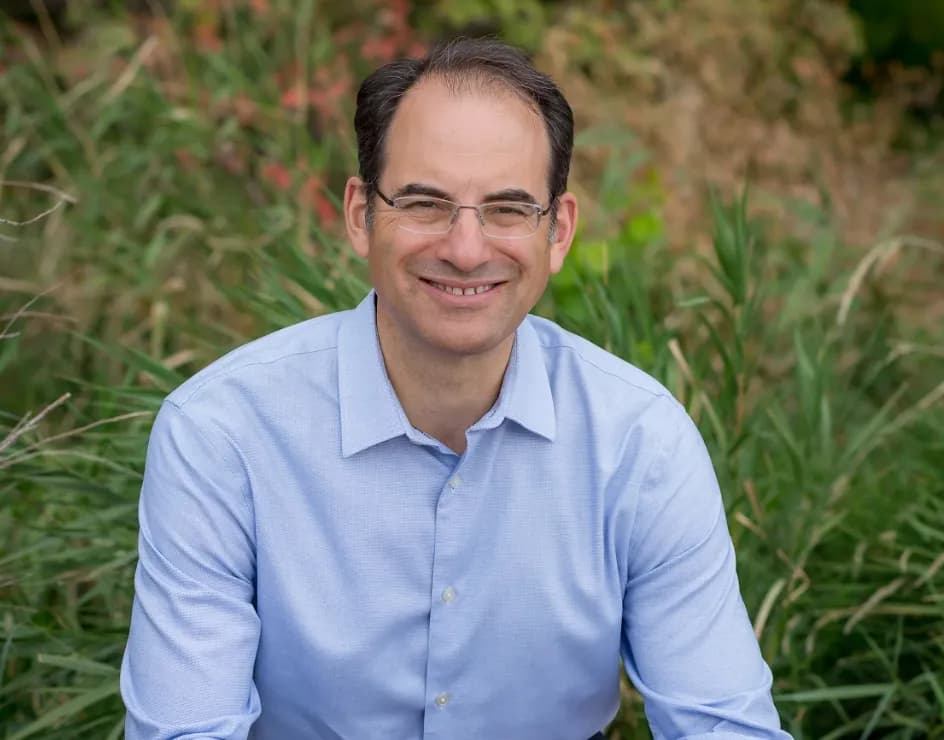
Glenwood Springs —Phil Weiser is running for governor. In a new opinion piece published in the Post Independent, the incumbent attorney general outlines his platform for the 2026 race, centering it on housing affordability, rural healthcare access, and a continued legal battle against the federal government.
The piece opens with a memory from Weiser’s first run for elected office, when former Gov. Roy Romer advised him to travel to every county in the state. "It will not only make you a better candidate, he told me, but it will make you a better attorney general," Weiser wrote. He argues that this statewide immersion allowed him to identify the specific challenges facing Colorado’s diverse communities, from the Western Slope to the Front Range.
Weiser positions his tenure as attorney general as a proving ground for executive leadership. He notes that he has led an office of over 700 people, including more than 400 lawyers, and has overseen a $150 million budget. "I have represented every state agency," he wrote, emphasizing his daily collaboration with the legislature, the governor’s office, and local community leaders. He points to a specific metric of support: in every category of local and state office, from county commissioner to school board member, more current and former elected officials support him than his opponent.
The campaign’s central theme is confrontation. Weiser states he is "not afraid to take on anyone who harms Coloradans, whether Big Pharma, Big Tech or the Trump administration." He cites suing the federal government 85 times as a benchmark of his willingness to challenge Washington. "I will do what’s best for Colorado, and will not bend a knee or accommodate lawlessness," he wrote.
For residents of the Western Slope, the healthcare and housing promises carry specific weight. Weiser pledges to launch "Primary Care for All" to fix what he calls a broken healthcare system, explicitly noting the need to address gaps in rural Colorado. He also commits to building more housing that Coloradans can afford, a direct response to the cost-of-living crisis that has driven population shifts and price spikes across the region.
Weiser grounds his public service commitment in his personal history. His mother was born in a Nazi concentration camp on April 13, 1945, and liberated by U.S. Army soldiers five days later. "My family immigrated to America, believing that our nation is committed to freedom and opportunity for all," he wrote. He traces his career path from working for Ruth Bader Ginsburg at the U.S. Supreme Court to serving in President Barack Obama’s White House, and finally to his current role as attorney general.
The question is whether a record of suing the federal government and managing a large legal budget translates into effective governance for a state with complex infrastructure, water rights, and economic needs. Weiser argues that his experience is "current, significant and relevant." He frames the upcoming election not just as a choice between parties, but as a choice about who will fight for local interests against larger corporate and federal forces.
Weiser’s platform leans heavily on his track record of defending state resources. He claims to have protected $1.2 billion in federal funding for Colorado and safeguarded food assistance for 600,000 residents. He also highlights a victory protecting firefighters who lost jobs right before fire season — a detail that resonates with communities where wildfire risk is a constant economic and physical threat.
The piece closes on a note of personal conviction. "I believe in Colorado," Weiser wrote, connecting his family’s journey from Europe to the United States with his current political ambitions. He frames his candidacy as a continuation of that belief in opportunity, promising to improve education and workforce training while making it easier to start and grow a business here.
For voters in the valley, the promise of "Primary Care for All" and affordable housing construction will be tested against local reality. Weiser’s argument is that his legal background gives him the tools to navigate both state and federal hurdles. "As governor, I will continue to take on big fights," he wrote, signaling that the next four years will be defined by litigation and legislative battles rather than quiet administration.
Keep up with Glenwood Springs
The day's Western Slope news, one email each morning. Free.


Glenwood Springs Offers $2,500 Rebates for Wildlife-Resistant Trash Carts
Glenwood Resident Urges Vote Against Re-1 Mill Levy Override