Western Slope Voters Weigh Rancher Challenger and Wildfire Tax
A fourth-generation rancher challenges a Democratic incumbent in Colorado’s Senate District 8 while supporters of Proposition 137 outspend opponents to fund wildfire mitigation and conservation.
Glenwood Springs —The smell of pine needles and diesel exhaust hangs heavy in the air. It’s a crisp October morning, the kind that makes the jagged peaks of the Front Range look sharp enough to cut glass. In Frisco, a pile of forest fuels sits on a hillside, part of the U.S. Forest Service’s "Frisco Backyard" project. It is a scene that defines the current political mood on the Western Slope: messy, urgent, and deeply personal.
Last week, neighbors across the region clicked through their phones to read about the fights shaping our lives. The Post Independent’s Ryan Spencer reported on the stories that dominated our attention from Oct. 5 to Oct. 12, and the list reads like a map of our anxieties.
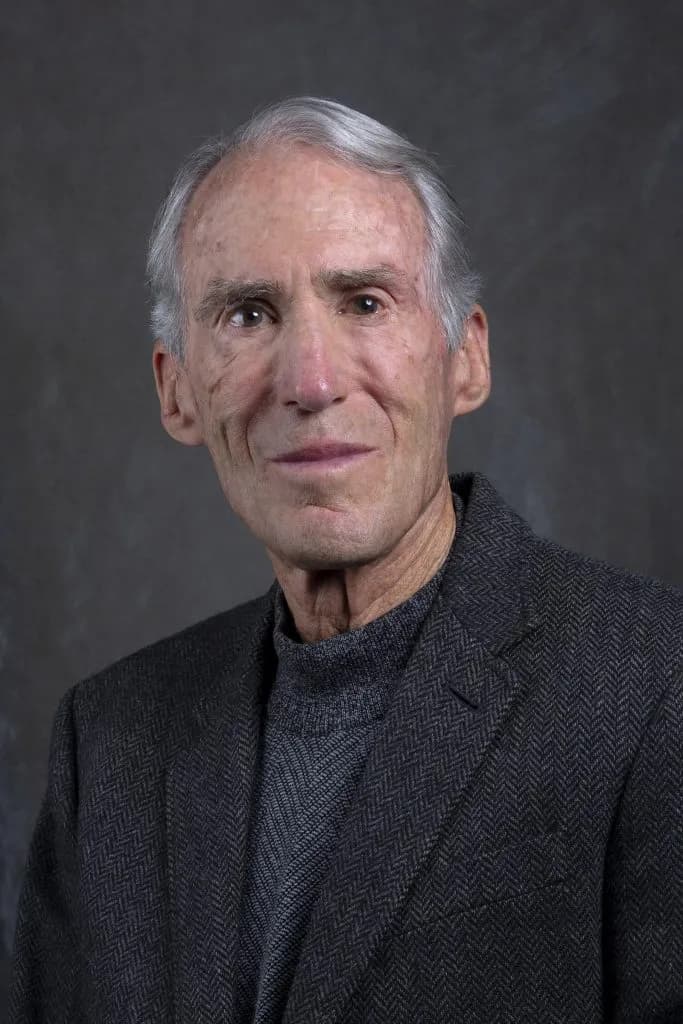
The top story wasn’t about the weather or the traffic on I-70. It was about Corey Marshall, a fourth-generation Coloradan who owns Rudolph Ranch in Gilpin County. He is challenging Democratic incumbent Dylan Roberts for Senate District 8, a district that stretches from the high country to the plains. Marshall doesn’t mince words about why he’s running. "I’ve watched the state change over my lifetime, through the history of our family, and not for the better," he told Spencer. "I’m at a place now where I think the direction we’re going is not where we want to go."
That sentiment resonates. It’s the part everyone skips past when they look at a ballot, but it’s the heart of the race. Marshall is pitting his ranching heritage against Roberts’ urban-leaning base in Frisco, and the tension is palpable.
But if Marshall represents the cultural clash, Proposition 137 represents the financial one. Spencer reported that supporters of Prop 137 have spent 1,000 times more than opponents. That is a staggering disparity. The measure would create a pool of about $175 million for conservation and wildfire mitigation by letting the state keep more taxes from sports equipment sales. It sounds like a no-brainer, but the fine print stings. If approved, it would reduce TABOR refunds by between $26 and $83 for single filers. For joint filers, that number doubles in some years.
And that matters because it hits the wallet directly. A coalition of conservation groups backs it, arguing it funds existing programs without raising taxes. Opponents worry about the fiscal impact and whether the money goes to the right kind of mitigation. The supporters have the war chest; the opponents have the skepticism.
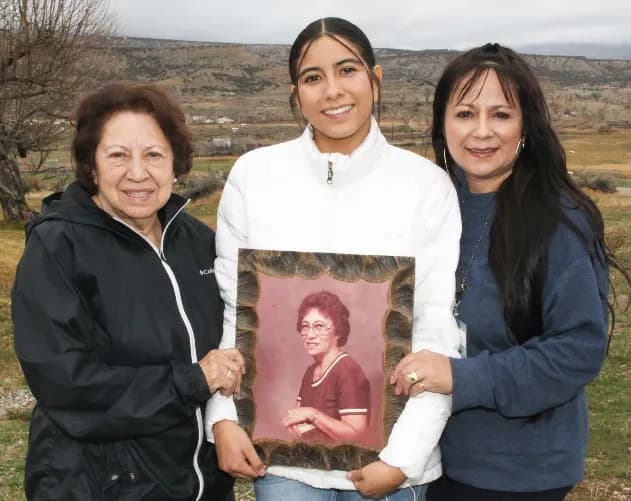
Rounding out the top five is a story that feels like a warm blanket in this cold political climate. Valentina Epps, born and raised in Rifle, is part of a four-generation family tradition of volunteering for Meals on Wheels. It started with her grandmother 50 years ago and continues today with Epps and her daughter. While the political battles rage over wildfire funding and Senate seats, this is the quiet, steady work that holds a community together.
The week ended with these three threads pulled tight: the rancher who wants to steer the ship, the ballot measure that costs you a few dollars for a greener state, and the family that keeps showing up with soup.
Back in Frisco, the pile of forest fuels on the hillside sits still. The wind picks up, swirling dry needles around its base. It’s a small piece of the larger puzzle, but it’s real. You can see it from the road. It’s there whether you vote for Marshall or Roberts, and whether you sign a TABOR refund check with $83 missing. The landscape doesn’t care about your ballot choice; it just burns when the conditions are right.
Keep up with Glenwood Springs
The day's Western Slope news, one email each morning. Free.