Craig Station Restarted with $1.3 Billion Investment
The Craig Station coal-fired power plant has been restarted with a $1.3 billion investment, but the financial and environmental costs are uncertain and may be passed on to consumers.
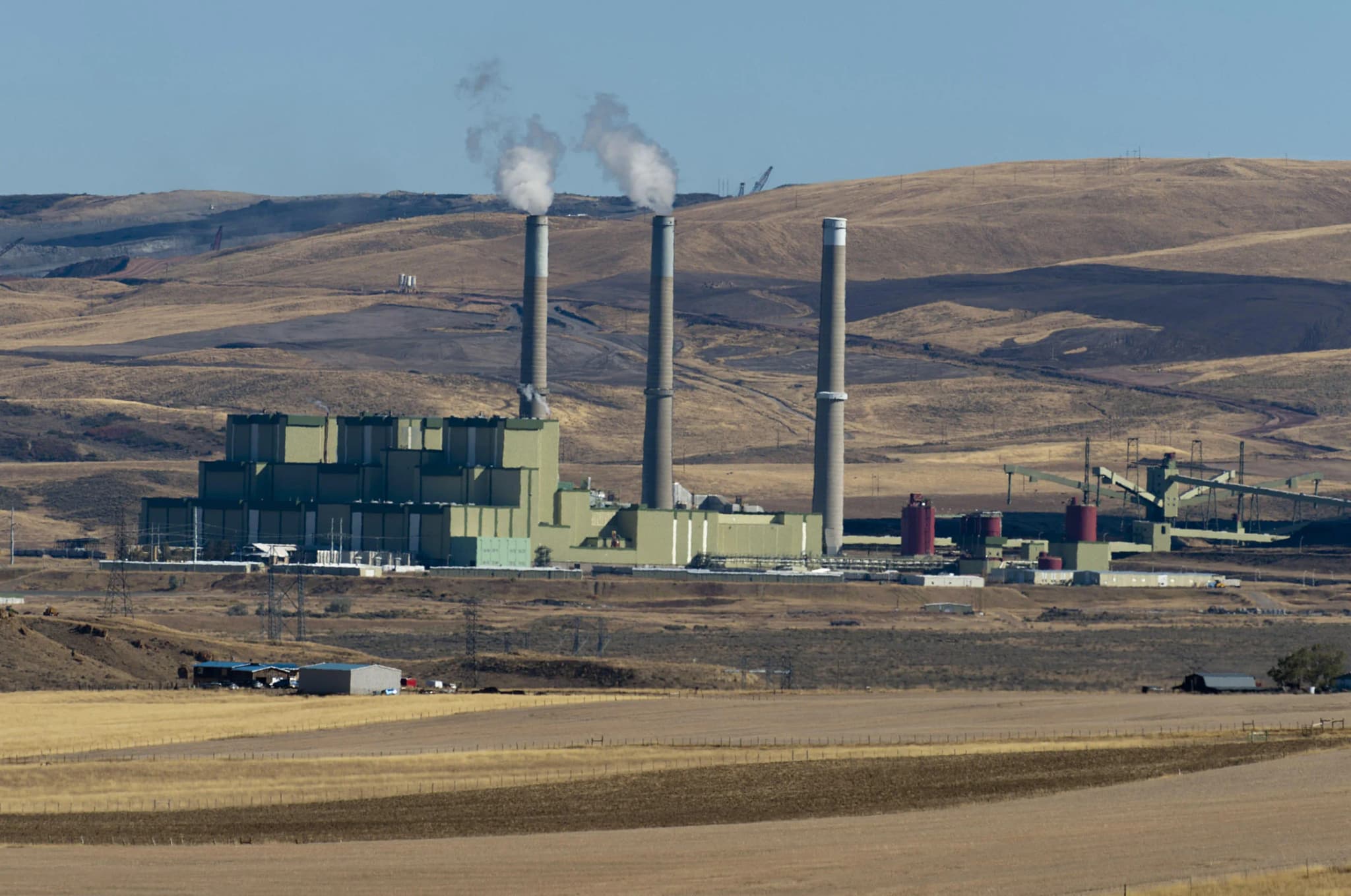
Steamboat Springs —Standing in the shadow of the Craig Station, the coal-fired electric plant southwest of Craig, the hum of machinery and the smell of coal dust fill the air. The Trapper coal mine looms in the background, a reminder of the region's industrial heritage. For locals, the sight and sound of this facility are familiar, but the recent developments surrounding its operation are not.
A $1.3 billion investment in the Craig Station is now being utilized to generate electricity, as the Western power grid authority has deemed it necessary to balance regional resources. This decision comes after a series of events that began with the Trump administration's federal emergency orders, requiring Tri-State Generation and Transmission to keep the Craig Unit 1 in good repair and available to operate. Initially, Tri-State had planned to shutter this unit for good at the end of 2025, but these orders put those plans on hold.
Let's do the math: the Craig Station's three units have a combined capacity of over 1,300 megawatts. With Unit 1 now operational, it's generating a significant portion of that capacity. However, the question remains, who will bear the costs of maintaining and operating a coal unit that Tri-State preferred to shut down? The power pool only pays the market rate for the electricity it requests, leaving the broader fixed costs uncertain. For context, the annual budget for the Craig Station is likely in the tens of millions of dollars, a significant expense that will need to be accounted for.
In practice, this means that the costs of maintaining the facility will likely be passed on to consumers or absorbed by Tri-State. On paper, the emergency orders may have ensured a stable power supply, but in reality, they have created a complex financial situation. The Colorado attorney general and environmental groups are still fighting the Department of Energy's emergency orders in court, which adds another layer of uncertainty to the situation.
As of April 1, Tri-State and other utilities in the area switched their regional power coordinator to the Southwest Power Pool's Western Interconnection. This change led to the power pool authority issuing a resource advisory for its Western region on April 7, citing "load uncertainty, increased potential for low output from wind and other variable energy resources…leading into peak hours, and potential for resource outages." The advisory resulted in the pool calling on the Craig Station to start generating power on April 10.
Mark Stutz, a Tri-State spokesperson, confirmed that the plant is continuing to generate coal power for grid buyers through at least Friday, absent new instructions from the pool. However, the long-term implications of this decision are still unclear. The scheduled closure dates for Units 1 and 2 remain in place, with Unit 3 set to close on January 1, 2028, and Unit 2 on September 30, 2028.
For folks around here, the restart of coal power generation at the Craig Station may provide a sense of stability in the short term, but the financial and environmental costs associated with maintaining a coal-fired power plant will be a key consideration for the community. The community will be watching closely as this situation unfolds, and the practical impact on their lives and the local environment will be a key consideration. This will cost taxpayers and consumers in the region, as the expenses associated with operating the facility are likely to be passed on.
Keep up with Steamboat Springs
The day's Western Slope news, one email each morning. Free.