Craig Students Launch Mental Health Education Series
A group of Craig students have created a mental health education series to help adults understand the challenges they face, with the goal of strengthening communication and support within the community.
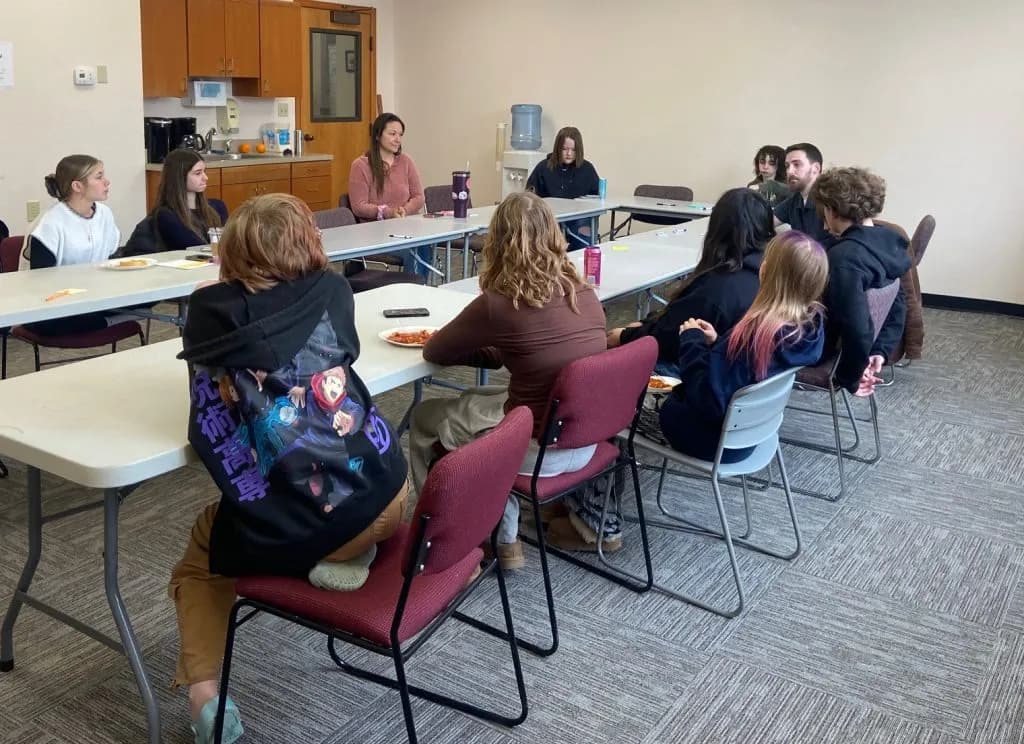
Steamboat Springs —On a chilly spring evening in Craig, the lights are on at the Craig Chamber, where a group of local students has gathered to tackle a pressing issue: mental and behavioral health. The Moffat County Youth Action Council, a youth-led program, has taken the initiative to create a four-part education series aimed at helping adults understand the challenges young people face daily. As the series kicked off on April 15, it's clear that these students are driven to make a difference.
Mackenzie Mixon, Empowerment Program Coordinator for Partners for Youth in Moffat County, explains that the council is composed of middle and high school students who meet weekly to identify community issues and develop action plans. "The council meets weekly, giving the students a chance to identify local challenges and create action plans to address them," Mixon says. "We create a healthy foundation for youth to use their potential and empower them to develop skills by providing a safe space for youth voice." The council's focus on mental health stems from a survey conducted at the start of the school year, where the majority of students expressed interest in exploring these topics.
The collaboration between the Moffat County Youth Action Council and the Health Partnership was a natural fit, according to Mixon. The Health Partnership received funding to support a Human-Centered Design project focused on youth behavioral and mental health, which aligned with the council's goals. "This strongly aligns with our Youth Action Council program where youth identify an issue they are passionate about and develop projects and initiatives to address the issue," Mixon explains. Over four weeks, students worked closely with Health Partnership staff to brainstorm ideas for the education series, ranging from small, low-cost efforts to large-scale community initiatives.
As the students delved into the Human-Centered Design process, they were encouraged to think creatively and develop innovative solutions. "They had to come up with several different ideas that ranged from one dollar to one million dollars," Mixon recalls. The students' dedication and passion for the project are evident in their willingness to take on this complex issue. The question is whether their efforts will lead to a greater understanding and support from the adult community.
The education series, held weekly at the Craig Chamber, aims to strengthen communication between generations and open up conversations that are often avoided or misunderstood. By providing dinner and childcare, the organizers hope to make the series more accessible to community members. As the series progresses, it will be important to gauge the level of engagement and feedback from attendees. The outcome of this effort will become clearer as the community responds.
As Mixon reflects on the council's work, it's clear that the students' passion and dedication are driving forces behind the project. "The council is composed of middle and high school students who meet weekly to identify local challenges and create action plans to address them," she reiterates. The numbers back that up – the students' survey results and their subsequent decision to focus on health issues demonstrate a clear commitment to addressing youth well-being.
The community's response to the education series will be crucial in determining its success. As folks around here begin to engage with the series, they'll have the opportunity to gain a deeper understanding of the challenges young people face. The students' efforts to promote adult understanding of youth issues are driven by their passion and determination, and that's what's inspiring others to join the conversation. As Mixon puts it, the students have shown "incredible passion and determination" in their efforts to address the challenges they face – and their work is likely to have a lasting impact.
Keep up with Steamboat Springs
The day's Western Slope news, one email each morning. Free.