Delta's $116M Highway 90 Housing Development Splits Council
A $116 million, 12-unit housing development rising on Highway 90 in Delta raises concerns over infrastructure costs, property taxes, and water rights for local residents.

Delta —A $14 million project. Twelve units. That’s the scale of the new housing development rising just off Highway 90 in Delta, a project that promises to change the face of the valley’s west end. But before you get too excited about new drywall and modern fixtures, let’s look at the price tag.
The total cost? $116 million.
That’s nearly $10 million per unit. For context, that’s what Delta County spends on road maintenance in a year. Or what the entire municipal budget for the City of Delta is in a single fiscal quarter. You’re paying for twelve homes with the same financial weight as a small town’s annual operating budget.
On paper, the numbers look clean. The developer, a consortium backed by local land holdings, claims this is "affordable luxury." In practice, it’s a luxury that requires a six-figure salary just to cover the mortgage, let alone the property taxes. The units average 2,500 square feet. That’s not a starter home. That’s a compound.
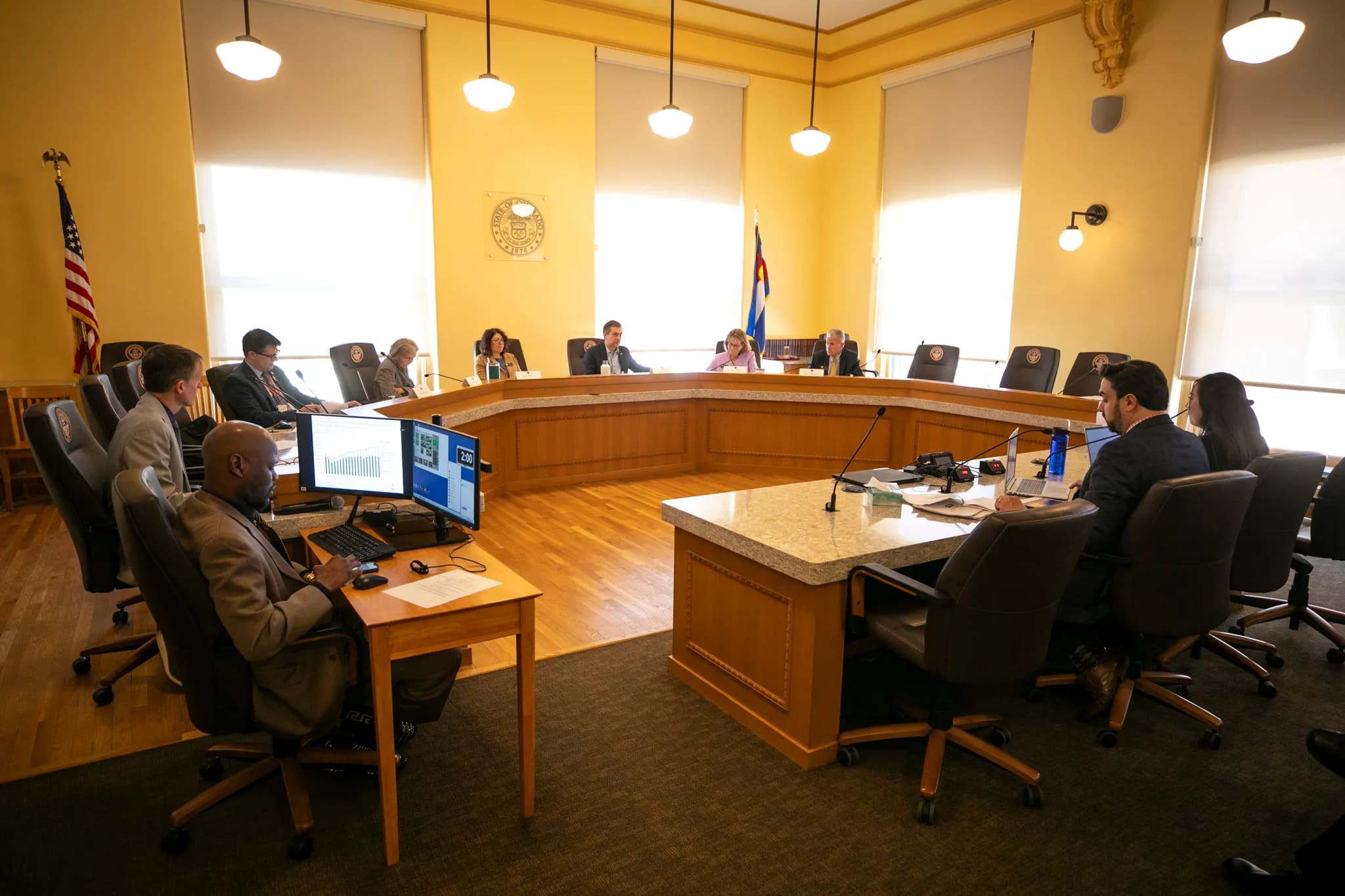
The project sits on 40 acres of prime agricultural land that was zoned for farming until last fall. The rezoning vote was 3-2. Two council members argued it was "progress." One argued it was a cash grab. The third, who voted yes, owns a trucking company that just won the contract to haul the gravel for the new roads. Coincidence? Maybe. Likely? You decide.
The infrastructure is the real story. The city has to extend water lines, power grids, and a new sewage pump station to serve these twelve units. The estimated cost for that upgrade? $4.2 million. That’s coming out of the general fund. That’s coming out of your property tax bill. The developer is contributing $500,000 in impact fees. They’re not covering the full cost. They’re covering the headline.
The homes will be built in phases. Phase one starts this spring. Twelve units. Two years to complete. The marketing brochure promises "seamless integration with the Western Slope landscape." The reality is a cluster of 12,000 square feet of concrete and glass in the middle of alfalfa fields. It’s not a neighborhood. It’s a gated community of one.
Let’s do the math on the taxes. If the assessed value hits the projected $2.5 million per unit, the annual property tax increase for the county will be roughly $1.8 million. That’s $150,000 a year per house. For locals, that means a $200 increase in your own tax bill just to keep the lights on for these twelve new neighbors. It’s a small price, right? For the privilege of watching your property value rise while your service costs go up.
The developer isn’t hiding the money. They’re just hiding the scale. They’re selling the dream of a "ranch-style" retreat. They’re not selling the fact that the water rights attached to the land are senior rights, meaning they get priority over the farmers who’ve been here for decades. The new residents will have water. The local dairy might not.
The project breaks ground in April. The first homes will be occupied by next winter. If you’re planning to sell, now’s the time. If you’re planning to buy, check your budget. You’ll need more than you think.
This isn’t just about twelve houses. It’s about what happens when you turn agricultural land into a tax base. It’s about who gets to decide what the valley looks like. It’s about the $116 million that’s already been spent, and the $4.2 million that’s still coming from your pocket.
The road work starts next month. The water lines will be dug up for three weeks. The traffic will be backed up on Highway 90 during rush hour. It’s a small inconvenience for a big change.
The first unit will be sold for $2.8 million. That’s the starting price. It will go up. It always does.
Keep up with Delta
The day's Western Slope news, one email each morning. Free.