Denver Detects Invasive Asian Jumping Worms
The Colorado Department of Agriculture has issued a warning about invasive Asian jumping worms spotted in Denver's Hilltop neighborhood, posing a significant threat to the state's ecosystem and native plants.
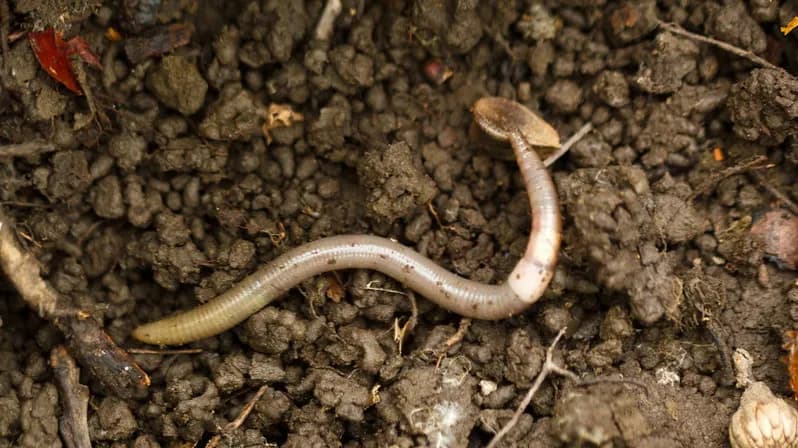
Colorado —What's the latest threat to Colorado's ecosystem, and how does it affect locals? Invasive Asian jumping worms have been spotted in the state, specifically in Denver's Hilltop neighborhood, and their presence is a concern. These worms are not your typical earthworms - they're longer, more active, and can jump when disturbed.
The Colorado Department of Agriculture has issued a warning about the aggressive and invasive nature of these worms. Director of the plants division, Wondirad Gebru, emphasizes the importance of preventing their spread to protect the state's healthy soil and native plants. The department is asking gardeners and landscapers to be vigilant and report any possible sightings.
These worms are a threat because they devour everything on the soil surface, leaving it barren and locking up nutrients. Unlike ordinary earthworms, which enrich soil and ease water flow, the Asian jumping worm's activities exacerbate drought damage and harm the ecosystem.
The worms can spread easily, and their larvae are nearly impossible to detect - they're the size of a mustard seed. This means they can be unknowingly transported in a bucket of debris, a bag of mulch, or even a landscaper's truck. The state is warning against moving soil that may be infected and advising people to carefully inspect potted plants.
Locals should be aware of the signs of an infestation, which include a uniform, granular soil texture that resembles coffee grounds. This is a key indicator of the Asian jumping worm's presence, and recognizing it is vital to prevent further spread.
Make no mistake - the Asian jumping worm poses a substantial ecological and economic threat. The state is taking this issue seriously, and the community must take action to stop them. The short version is that these worms are bad news, and we need to take action to stop them.
As the situation develops, it's worth watching how the state and local authorities respond to this threat. The Colorado Department of Agriculture is taking a proactive approach, but one thing is certain - the community needs to be involved in reporting sightings and taking precautions to prevent the spread.
Read that again - there are no effective eradication methods for the Asian jumping worm. This means that prevention is key, and individuals must take responsibility for inspecting their materials and reporting any possible infestations. The state relies on the community to be vigilant and help protect the state's ecosystem.
In the context of Colorado's Western Slope, the potential impact of the Asian jumping worm on local gardens, landscaping, and native plants could have severe economic implications. An infestation would likely have far-reaching consequences, and taking action to prevent the spread is vital.
The Asian jumping worm's ability to jump when disturbed is a unique characteristic that sets it apart from other earthworms. This behavior, combined with its aggressive and invasive nature, makes it a formidable threat to the state's ecosystem. As the community works to prevent the spread of this invasive species, every individual has a role to play in protecting the state's natural resources.
What's next for Colorado in the fight against the Asian jumping worm? The state will likely continue to monitor the situation and provide updates on any new developments. In the meantime, locals should remain vigilant and take steps to prevent the spread of this invasive species. The community's involvement is vital in this effort, and staying informed is necessary to protect the state's ecosystem.
The fact that these worms can be spread so easily, even unintentionally, is a significant concern. It's a reminder that even small actions can have a substantial impact on the environment. As the state works to address this issue, considering the long-term implications of an infestation and taking proactive steps to prevent it is necessary.
In conclusion, the Asian jumping worm is a serious threat to Colorado's ecosystem, and the community must be aware of the issue and take action to prevent its spread. The state is taking a proactive approach, but individuals must take responsibility for inspecting their materials and reporting any possible infestations. The fight against this invasive species will require a collective effort, and staying informed is necessary to protect the state's natural resources.
However, that's not the end of the story - the real question is, what will happen if the Asian jumping worm spreads to other parts of the state? The potential consequences are severe, and considering the long-term implications of an infestation is necessary. The community's involvement is vital in this effort, and staying informed is necessary to protect the state's ecosystem.
The final observation is that the Asian jumping worm is a wake-up call for the community to take action and protect the state's natural resources. The state relies on individuals to be vigilant and report any possible sightings, and taking this responsibility seriously is vital. The fight against this invasive species will require a collective effort, and staying informed is necessary to prevent the spread.
Keep up with Colorado
The day's Western Slope news, one email each morning. Free.



Federal Report Sets 200,000 Acre-Foot Water Conservation Target for Upper Basin
Colorado Parks and Wildlife Deploys Precision Drones for Weed Control