Denver Rental Market Sees Four Year Low in Average Rents
The average rent in metro Denver has dropped to a four-year low, with a current average of $1,758, according to the latest report from the Apartment Association of Metro Denver.
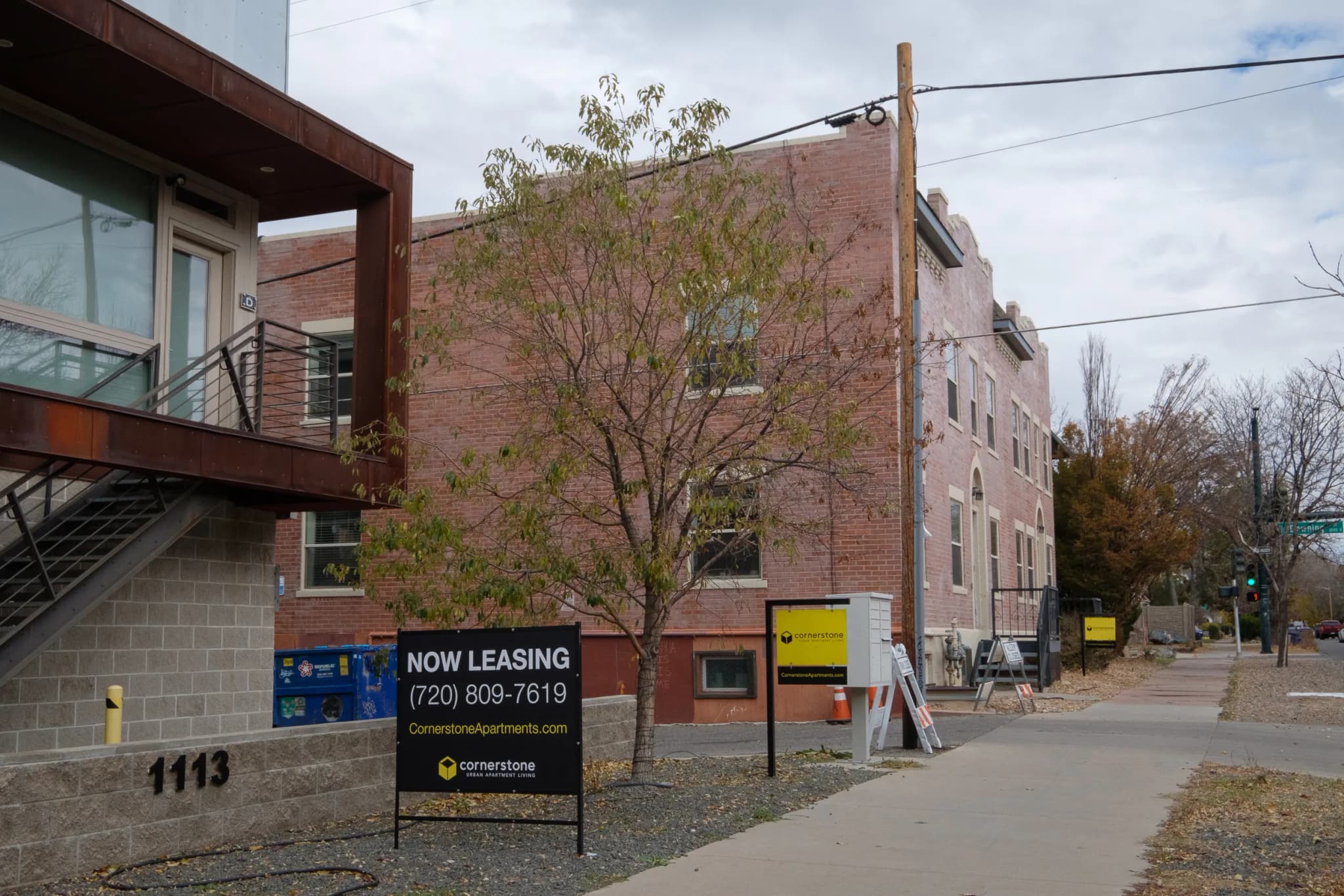
Colorado —The average rent in metro Denver has dropped to $1,758, a level not seen since the first quarter of 2022. This 3.4% decrease from last year is a significant shift in the rental market, according to the latest report from the Apartment Association of Metro Denver. As Scott Rathbun, with Apartment Insights, notes, "Our current average of $1,758, this is the same exact dollar-for-dollar rent that we had in" first quarter 2022. This means that, effectively, rents have not increased in four years.
The question is whether this drop is a result of the rental market trying to absorb the influx of new apartments built in the past five years. With over 70,000 new units added, the market has seen an 18% increase in available rentals, now totaling 452,591 apartments. Normally, the Denver market absorbs around 10,000 new rentals per year, but in 2024, nearly 20,000 new apartments were added. As a result, many complexes are offering significant concessions, including one to three months of free rent on new leases, which has reached a record $180 in savings per month.
As Drew Hamrick, AAMD's senior vice president of government affairs, puts it, "I don't want it to get lost on any of you with the detail of this report that rents today are lower than they were four years ago." He believes that this shift is a result of bringing more units online, which has helped to increase affordability in the market. The average rent for a one-bedroom is now $1,551, before concessions, according to AAMD data. This price point is below the 60%, 70%, and 80% of area median incomes required by some affordable-housing ordinances for studios and one-bedrooms.
However, considering the different economic circumstances that existed four years ago is crucial. The nation was still recovering from COVID disruptions, and federal pandemic unemployment benefits had ended. Many landlords had kept rents flat, around $1,500, in 2019 and 2020, but then increased them by double-digit rates starting in mid-2021. The biggest jump was in the first quarter of 2022, with a 16.5% increase in a year. Inflation was also soaring during this period.
The numbers back up the idea that the rental market is adjusting to the new supply of apartments. With concessions factored in, the effective rent is around $1,580 per month. This is a significant decrease from the peak rents seen in recent years. As Rathbun notes, the current average rent is the same as it was four years ago, which suggests that the market is finding a new balance.
The future of the Denver rental market will be shaped by the ongoing absorption of new units. As Hamrick said, "I think the reason why it's so important is that it certainly settles the question of how do you bring housing affordability to the market. You do that by bringing more units online." The industry does not seem to think that there are too many new apartments, but rather that the increased supply is having a stabilizing effect.
In the end, it's the renters who are benefiting from this shift. With average rents at a four-year low, it's an opportune time for those looking for a new place to live. As Rathbun said, "So basically, rents today are at the same level they were … four years ago." This statement encapsulates the current state of the Denver rental market, and it will be interesting to see how it continues to evolve in the coming years.
Keep up with Colorado
The day's Western Slope news, one email each morning. Free.



Federal Report Sets 200,000 Acre-Foot Water Conservation Target for Upper Basin
Colorado Parks and Wildlife Deploys Precision Drones for Weed Control