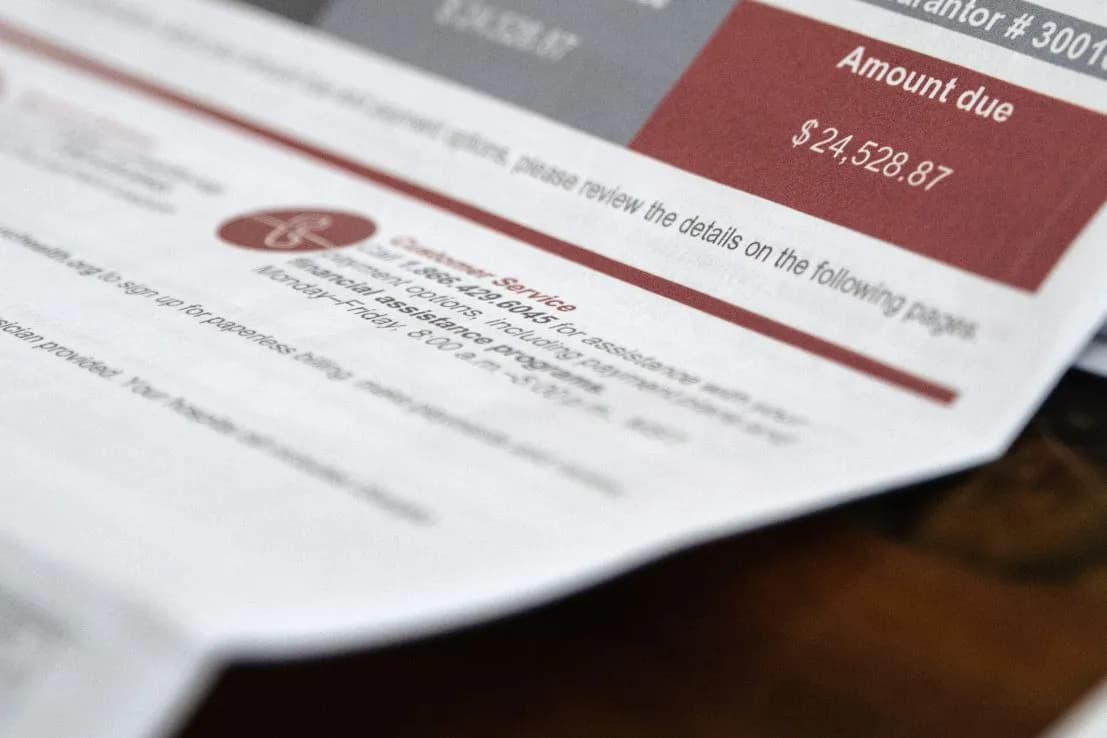
Denver Sees Record High Concessions Amid Rental Market Shift
The Denver rental market is experiencing a significant shift, with record high concessions and decreasing average rents. What's behind this change and how will it impact the local community?
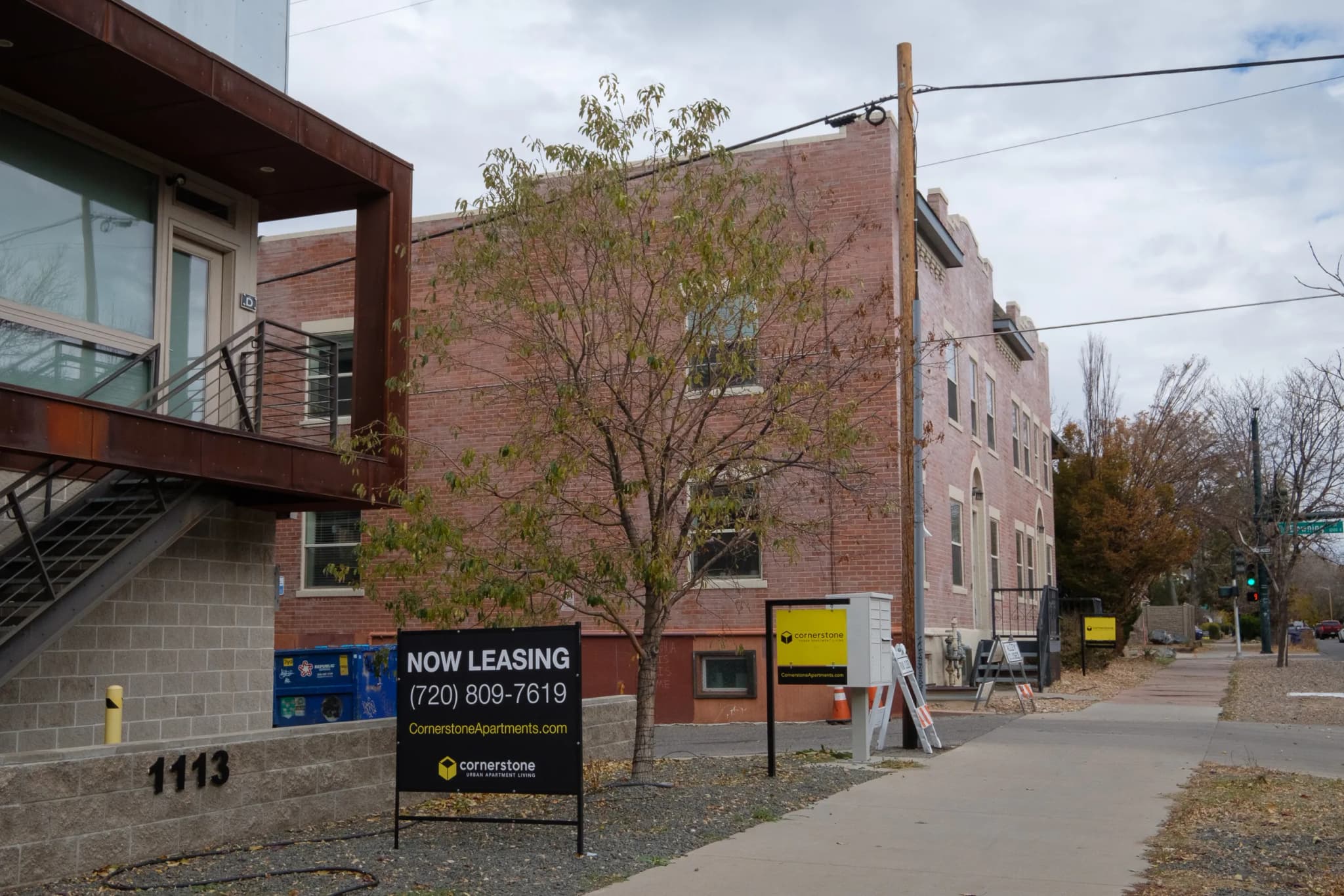
Colorado —Standing on East 14th Avenue in Capitol Hill, the rows of apartment buildings managed by Cornerstone are a stark reminder of the rental market's shift. The deals for Denver apartment hunters have gotten sweeter, with multiple complexes offering one to three months of free rent on new leases. Concessions have hit a record high, with savings of $180 per month - that's like skipping rent for four to five weeks a year.
Average rents have dropped 3.4% from last year, now sitting at $1,758. This is the same price as in the first quarter of 2022, according to Scott Rathbun, with Apartment Insights. Rents have been falling in the Denver metro for two years, and this low point is a significant highlight. The plunge is credited to the rental market trying to absorb the tens of thousands of new apartments built in the past five years.
The average rent for a one-bedroom is $1,551, before concessions. This price point is below 60%, 70%, and 80% of area median incomes required by some affordable-housing ordinances. Drew Hamrick, AAMD's senior vice president of government affairs, emphasizes that rents today are lower than they were during a period of economic recovery from COVID disruptions. He believes this settles the question of how to bring housing affordability to the market - by bringing more units online.
However, the economic circumstances were different when the nation was recovering from COVID disruptions, and federal pandemic unemployment benefits had ended. Many landlords had kept rents flat, hovering around $1,500 in 2019 and 2020, and were eager to catch up. Rents jumped by double-digit rates for a solid year starting in mid-2021.
The industry argues that the influx of new apartments is not the problem. Over 70,000 new apartments were built in five years, increasing the number of apartment rentals by 18% to 452,591. Normally, the Denver market absorbs 10,000 new rentals a year, but in 2024, nearly 20,000 new apartments were added. The Apartment Association of Metro Denver's latest rent and vacancy report shows that the market is still adjusting to this surge in supply.
Make no mistake, the numbers are clear - average rents are down, and concessions are up. But what's behind this shift, and how will it impact the local community? The short version is that the rental market is trying to find a balance between supply and demand. Folks around here are watching to see how this will affect the local economy. With prices for some studios and one-bedrooms below required affordable-housing thresholds, it's worth exploring how this will change the landscape of affordable housing in the area. Read that again - average rents are the same as they were at the beginning of 2022. That's a significant change, and it's not just about the numbers.
The question on everyone's mind is - what's next? Will the market continue to absorb the new apartments, or will we see a shift in the types of rentals being built? One thing is not happening - the market is not stabilizing quickly. The community will be watching closely to see how this plays out.
In the meantime, apartment hunters are taking advantage of the deals. With concessions at an all-time high, it's a renter's market. But for how long? The industry is cautious, and the numbers are still adjusting. Worth watching is how this will impact the local community, and what changes we can expect in the coming months.
As the market continues to shift, one thing is not happening - the market is not stabilizing quickly, average rent of $1,758 is one result of the double-digit increases of the past one result of one set of economic conditions being replaced by another. The community will be waiting to see what this means for affordable housing, and how the industry will respond to the changing landscape. For now, the deals are still on - one to three months of free rent, and concessions that can save renters hundreds of dollars a year. But as the market adjusts, it's uncertain how long these deals will last. The community will be watching, and waiting to see what's next.
Keep up with Colorado
The day's Western Slope news, one email each morning. Free.


Federal Report Sets 200,000 Acre-Foot Water Conservation Target for Upper Basin

Colorado Parks and Wildlife Deploys Precision Drones for Weed Control