Denver Water Fines Lawn Sprinklers After October 1 Cutoff
Denver Water enforces an October 1 lawn irrigation deadline with fines, citing record heat and reservoirs at 72% capacity.
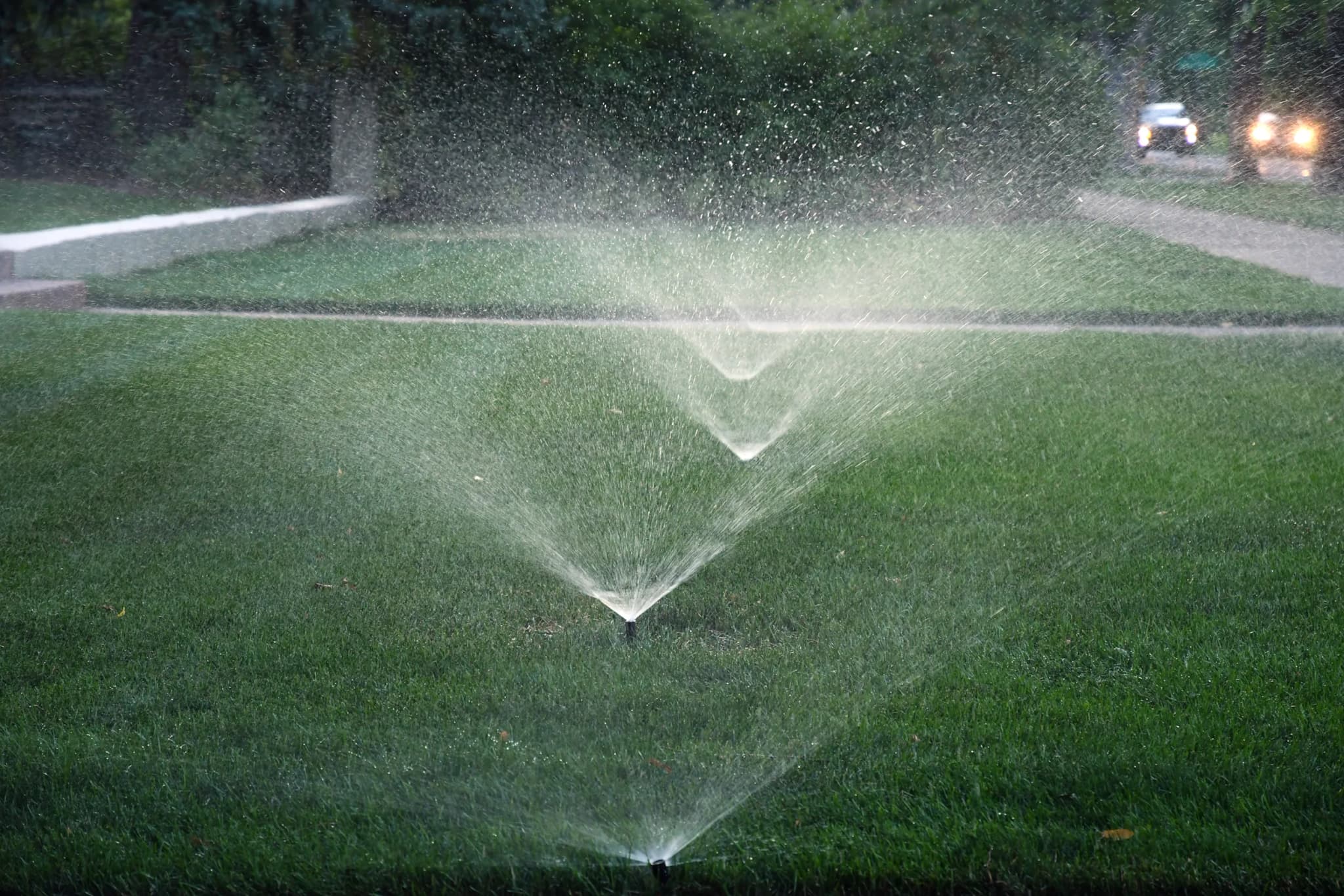
Denver Water has officially set October 1 as the hard deadline for lawn irrigation across its service area. That is a significant shift. For the first time, the agency is enforcing this cutoff with the threat of fines rather than just voluntary compliance.
The rationale is stark. Denver Water reports that 2026 is currently the hottest year on record for the metro area. To put the stakes in perspective, let’s look at the reservoir levels. After weeks of temperatures exceeding 90 degrees, Denver’s storage reservoirs are sitting at just 72% capacity. For context, at this time of year, they typically hold more than 90% of their volume. The agency attributes this deficit partly to a record-low snowpack during the 2025-26 winter, which resulted in spring runoff that was only 22% of the long-term average.
On paper, the agency aimed for a 20% reduction in system-wide water use compared to the previous five-year average. In practice, the results have been mixed. Initial restrictions yielded only a 2% savings. That figure has since climbed to approximately 7%, but it remains far below the target.
Alan Salazar, the chief of Denver Water, addressed the board following the approval of the fall cutoff. He noted that despite the blistering conditions, customers have generally reduced their water use this summer. However, he emphasized that the lack of precipitation and the record heat necessitate this additional step. “It’s critical that our customers turn sprinklers off Oct. 1, so that we can extend our water supply,” Salazar said.
The rules are specific. Through September 30, customers may still irrigate on their designated two days per week. Beyond that date, any use of irrigation sprinklers will trigger warnings and fines. Hand watering is permitted, though limited. The agency warns that this cutoff is indefinite. It will likely last through the spring of 2027, with summer 2027 rules contingent on the incoming snowpack.
Exceptions exist but are narrow. High-traffic grass areas, such as parks and school fields, require an approved variance to water after September 30. Recycled water users retain the flexibility to irrigate any day of the week, provided they follow standard rules. Trees, shrubs, and perennials can be watered any day using a hand-held hose with a shutoff nozzle or low-volume, non-spray systems like drip irrigation. Annuals and vegetables enjoy similar flexibility until the first frost. Grass establishment is prohibited after September 30, barring special circumstances covered by a variance. Irrigation systems may operate for installation, repair, or maintenance, provided the system is attended to and water is not wasted.
For locals, the practical impact is clear. If you are running sprinklers on October 1, you are risking a fine. The two-day-a-week schedule ends. The hand hose becomes your primary tool for landscape maintenance. The agency is betting that the threat of financial penalty will drive the behavioral change that voluntary conservation failed to achieve. With reservoirs significantly below normal and no end to the drought in sight, the message is simple: turn the water off, or pay for it.
Keep up with the Western Slope
The day's Western Slope news, one email each morning. Free.