Denver Water Raises Tap Fees by 32 Percent for New Builds
Denver Water increases tap fees by up to 32 percent, adding $2,500 to $4,000 to new home prices as the utility forces new development to pay for infrastructure expansion.
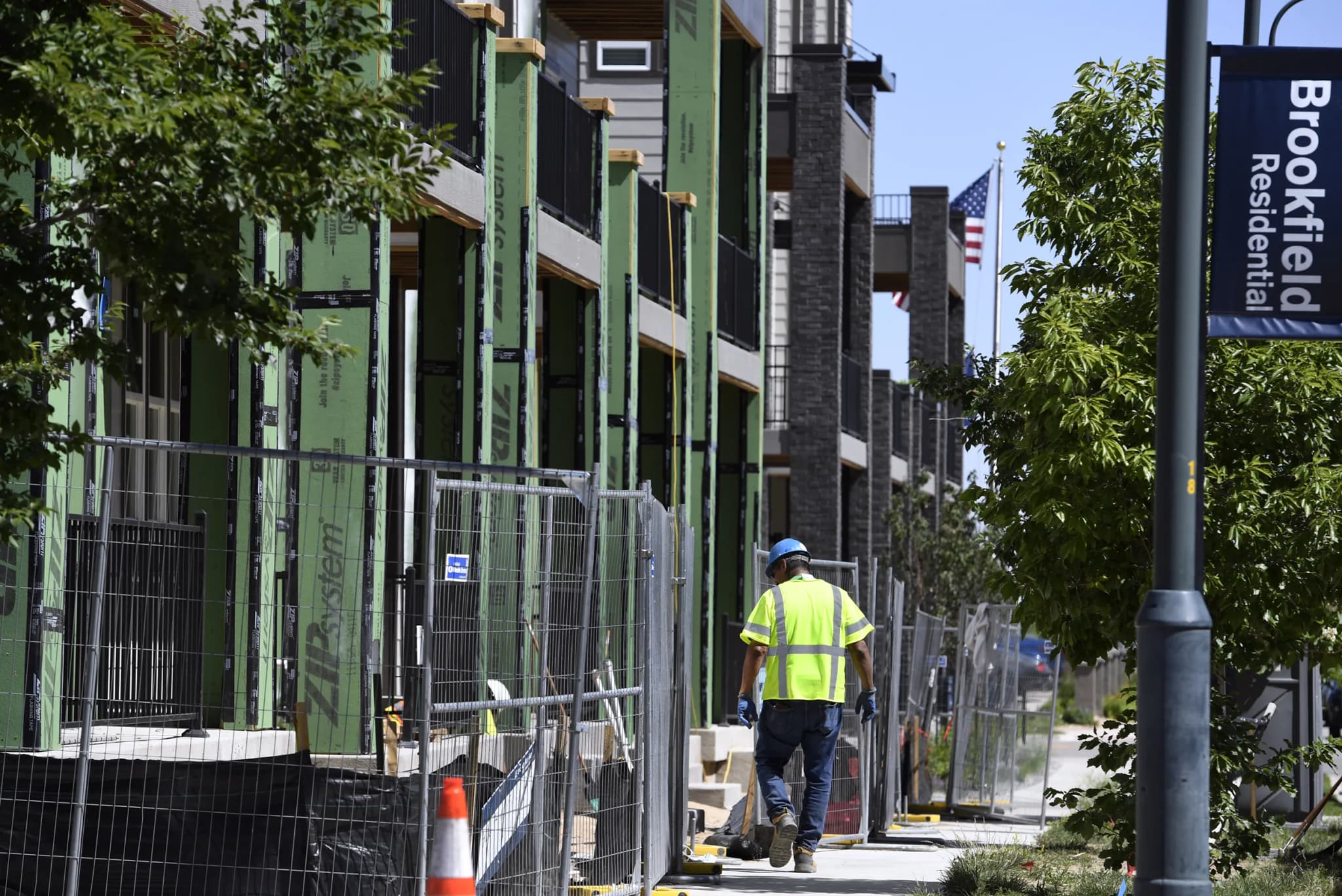
Colorado —“Even though costs had increased, the amount that new customers required had decreased.”
That was the mantra for over a decade. It was the logic that kept water bills manageable while Denver’s skyline grew. But the era of cheap expansion is over. Denver Water is raising tap fees by as much as 32% this year, a blunt instrument designed to force new development to pay for the reservoirs, pipelines, and treatment plants that keep the city wet.
The utility hasn’t touched these rates since 2013. For thirteen years, conservation efforts and efficient fixtures allowed the system to absorb growth without demanding new capital from builders. Now, that buffer is gone. The expansion of Gross Reservoir and the construction of a new water treatment plant have hit the bottom line. The board says new growth must pay its own way. In practice, that means builders are footing the bill for infrastructure they didn’t build but will certainly use.
Let’s do the math on what this means for a new build. Under the new rates, effective July 1, a single-family home within Denver city limits will see its tap fee jump from $7,930 in 2025 to $10,450. That’s a $2,520 hike for a single connection. For suburban customers, the sticker shock is higher: fees rise from $11,100 to $14,680. You’re looking at a nearly $4,000 increase just to turn on the water.
These are one-time charges, typically paid by the builder. Developers usually pass that cost down to the buyer, baked into the price of the home. It’s not a monthly surcharge. It’s a capital cost. But in a market where margins are already thin, a $10,000-plus hit for a townhome or a $14,000+ hit for a suburban house changes the calculus. It makes new construction slightly less profitable, or it forces builders to raise prices to maintain those margins.
Susan Daggett, a University of Denver law professor and former Denver Water board member, offers a counterpoint that’s worth listening to, even if it’s slightly comforting. She argues that Denver isn’t facing the same crisis as other parts of the state. Our water rights are old. Our system is mature. We aren’t building massive new infrastructure at the same frantic pace as the Front Range’s newer municipalities. And crucially, housing growth has slowed.
“It is not that it doesn’t matter, but it matters less in Denver than it does in other parts of the state,” Daggett said. “We’re just not building that much new housing.”
If you’re building fewer homes, the total revenue impact is dampened. The fee hike is steep, but the volume of new connections is lower. This isn’t a blanket tax on every resident. It’s a targeted fee on new development. It’s a mechanism to ensure that the people moving into new units in Northfield or Central Park are contributing to the reservoirs that will serve them for decades, rather than letting the existing ratepayers subsidize the expansion.
The Denver Board of Water Commissioners approved these increases last year. They wanted to close the gap between infrastructure costs and the revenue generated by new users. The 32% increase is the tool they chose. It’s aggressive. It’s necessary, according to rate manager Fletcher Davis. And it’s here to stay, at least until the next major infrastructure project demands another round of payments.
For the neighbor buying their first home in a new subdivision, this is a hidden cost. You won’t see it on your monthly bill. You’ll see it in the closing documents. It’s a $10,000 to $14,000 line item that reflects the reality that water in Colorado is no longer an infinite, cheap utility. It’s a managed resource with a price tag that’s finally catching up to the demand.
Keep up with Colorado
The day's Western Slope news, one email each morning. Free.
Federal Report Sets 200,000 Acre-Foot Water Conservation Target for Upper Basin
Colorado Parks and Wildlife Deploys Precision Drones for Weed Control