Dolores Writer Captures Apocalyptic Heat and Stillness in Stoner Mesa Essay
A Dolores writer describes the heavy, smoke-filled heat and slowed pace of life in Stoner Mesa, where locals adapt by swimming with dogs and embracing apathy during the intense summer stretch.

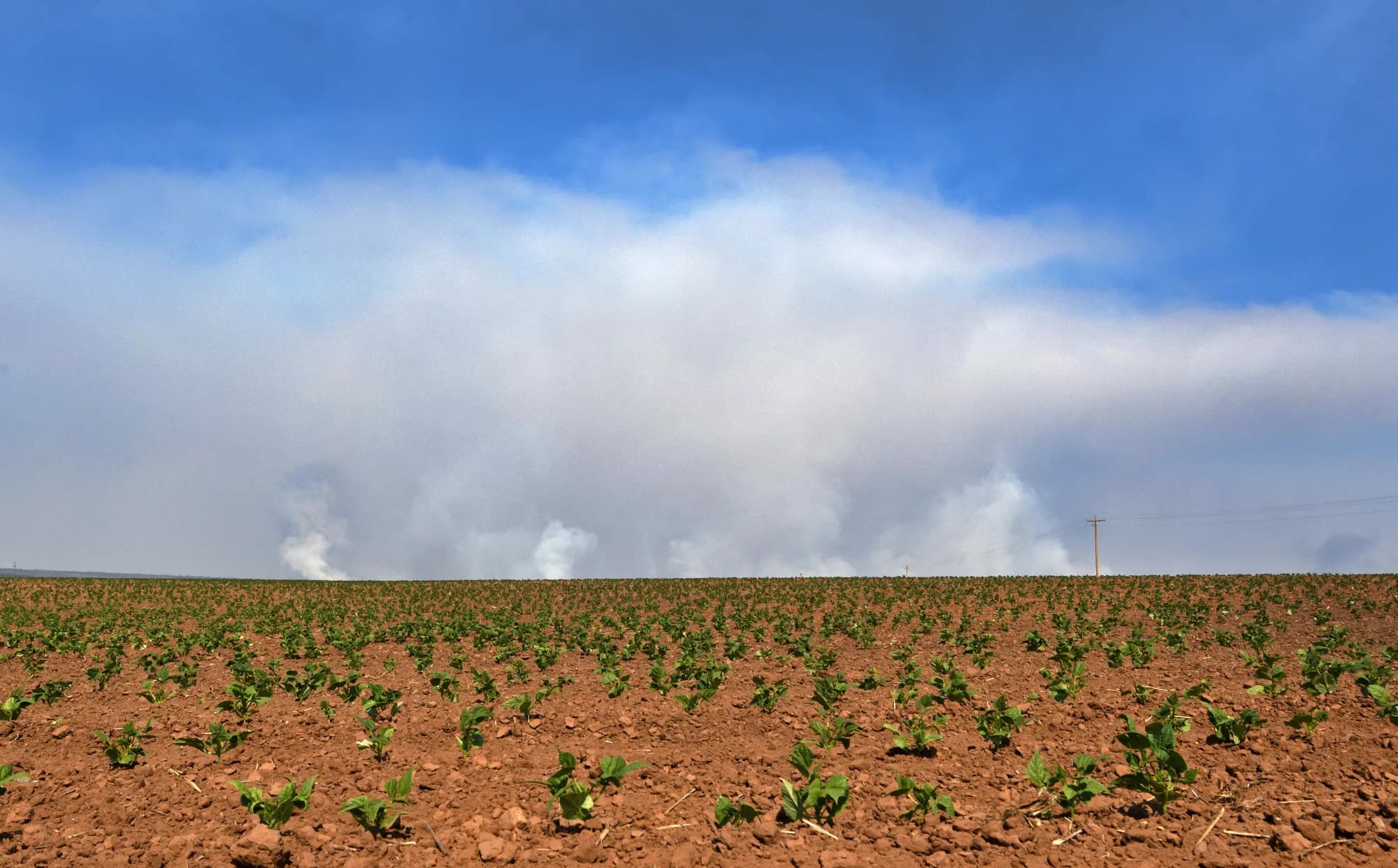
Durango —The air in Dolores has stopped moving. It sits heavy and still, a thick blanket of heat that presses down on the sleeping Ute Mountain range, turning the valley into something resembling a dusty room where time has paused. There is no breeze to stir the smoke from the Finley fire, which lingers on the other side of the reservation, and there is no sound, save for the strange, high-pitched cries of baby birds or perhaps just air escaping heated water bottles. It is Day Two, or maybe Day 717 of this relentless stretch, and the heat has reached a point where even the dogs are struggling to cope.
In her essay for the Colorado Sun, published Tuesday, a local writer describes this apocalyptic stillness with a rare clarity. She notes that the zero traffic along Road X and the silence of the birds create an eerie atmosphere, one where productivity takes a backseat to survival. The writer, who has been tied to chores on her property and in town, decided to drive up to Stoner Mesa a few days ago. She went with her dogs and horses to check the National Forest allotment, drop salt blocks, and find some relief from the stifling air.
What followed was a routine of cooling off that highlights just how extreme the temperatures have become. Her dogs, Monty and Daisy, who are not usually keen on riding in the ATV, have become newly onboard with the quad. They have developed a specific ritual: Chuck and Tina, two other dogs who love the ride, take up the bench seat, while Monty plants himself on the passenger-side floorboard and the big girl jumps into the mini payload bed. They disembark at the canal, where they sit obediently on the bank until the writer crosses over. On command, they jump into the water and swim forty feet across, repeating the trick two or three times before piling back up the half-mile driveway.
It is a simple act, but it speaks to a larger shift in how locals are adapting to the climate. The writer observes that heat begets apathy, a sentiment she illustrates by finding an old, thick MacBook in the gravel by the canal. She placed it on a wood post part of the guard rail, expecting someone to take it or smash it. Instead, people just walked past, too hot and tired to care. The writer herself is wearing ratty boxers and a running bra, watching three episodes of Fleishman is in Trouble in the middle of the day. She has things she’d like to do — installing a gate, moving electric fencing, running more — but the heat holds her back.
There is a warmth to this acceptance of the season, a recognition that sometimes doing nothing is the most productive thing you can do. The red sunrises are a constant reminder of the smoke, whether it comes from the unreported Finley fire or fires elsewhere in the region. Yet, as the writer notes, there is a strange beauty in this stillness. The air tries to escape the empty water bottles, creating those little suffering sounds that mimic the birds, and we are left to sit with it.
If you look closely, you can see the rough edges of this summer’s intensity. It is not just about the temperature; it is about how we move through our days when the world feels like it has slowed to a crawl. The dogs swim, the horses wait, and the smoke hangs low over Stoner Mesa. It is a scene that feels familiar to anyone who has spent a July afternoon in the valley, sweating through their clothes and wondering when the wind will finally blow.
Keep up with Durango
The day's Western Slope news, one email each morning. Free.




Cortez Native Builds Off-Grid Water Systems for Navajo Nation Schools
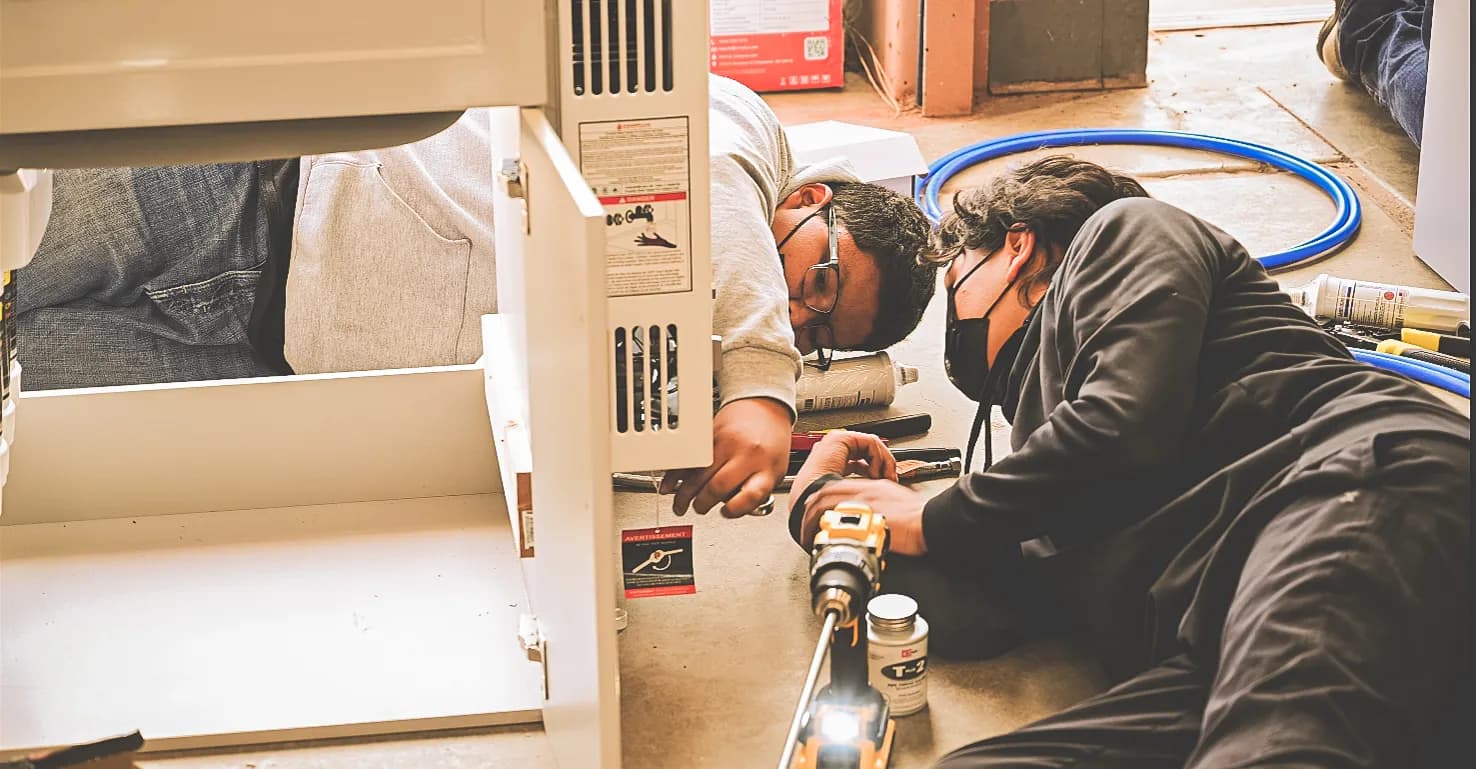
Navajo Youth Build Water Systems for Rock Point and Kirtland Homes