Douglas County Proposes New Rules for High-Powered Electric Dirt Bikes
Douglas County officials propose a new ordinance to regulate high-powered electric dirt bikes and OHVs on public roads, requiring licenses and imposing fines up to $1,000 to prevent injuries and clarify usage rights.
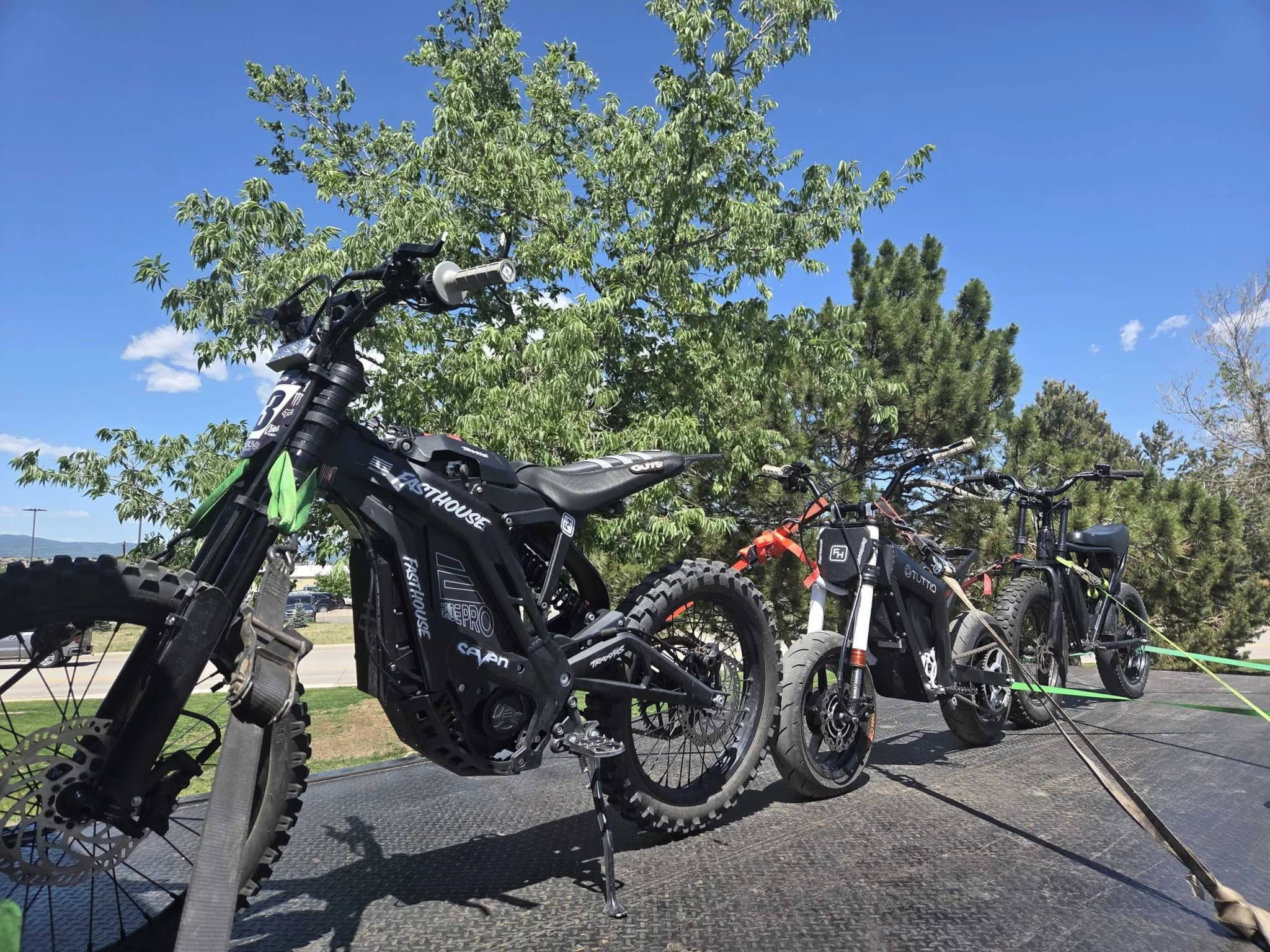
Colorado —The hum of an electric motor is quiet, almost polite, until it isn’t. On the paved shoulders of Highway 85 or cutting across the multi-use trails near Castle Rock, those small whirring sounds are becoming more frequent. They belong to riders who aren’t pedaling. They’re throttling. And Douglas County officials are tired of guessing what happens next.
The county is proposing a new ordinance to bring order to the chaos of low-powered scooters and off-highway vehicles (OHVs) on public roads. It’s not just about keeping kids off the sidewalks. It’s about distinguishing between a leisurely ride to the grocery store and a high-speed machine that can hit 75 mph.
“We fear that it is only a matter of time before these incidents end in a tragedy,” Undersheriff Jason Kennedy said Wednesday, addressing a group of reporters. “That’s exactly what we are trying to prevent.”
The surge in calls for service over the last year has been sharp. Emergency responders are seeing more accidents, more injuries, and more confusion. The problem isn’t just the volume of riders; it’s the type of vehicle. Marketing departments have blurred the lines, selling high-powered electric dirt bikes as “e-bikes.” But these machines operate primarily by throttle. They lack functional pedals. They accelerate from 0 to 50 mph in 3.6 seconds.
“Simply put … they are high-powered electric dirt bikes, much like their gas counterparts, off-highway vehicles,” Kennedy said.
Traditional e-bikes are regulated differently. Class 1 and Class 2 models stop providing assistance at 20 mph. Class 3 stops at 28 mph. They are permitted on certain bike paths and trails. The new ordinance targets the vehicles that don’t fit that mold. It would cover everything from golf carts to snowmobiles, but the focus is squarely on the electric dirt bikes that are clogging the roads.
If adopted, the rules would require operators to have a driver’s license. It would clarify exactly where these vehicles can be ridden legally. And it would establish penalties for violations, including fines up to $1,000.
The goal is to curb injuries. County leaders, law enforcement, and emergency room doctors are aligned on this. They want to stop the bleeding before it becomes a fatality. The distinction matters because the current regulations failed to keep pace with the technology. People assumed that because it looked like a bike, it was treated like a bike. It’s not.
Kennedy noted that injuries are increasing. The rise in service calls confirms it. The rapid increase in incidents isn’t a fluke; it’s a trend that local officials can no longer ignore.
This isn’t just a Douglas County issue. It’s a national one. But here, on the Western Slope’s eastern neighbor, the density of roads and trails makes the conflict between cyclists, pedestrians, and throttle-powered riders particularly acute. Locals who commute on Highway 6 or hike the trails near Confluence Park are feeling the shift.
The proposed ordinance doesn’t ban these vehicles outright. It regulates them. It demands that if you want to ride a machine that can do 75 mph on a public road, you need a license. You need to know where you’re allowed to go. And you need to pay if you break the rules.
The jury is out on whether the $1,000 fine is enough to deter the thrill-seekers or if it’s just a cost of doing business for the riders. But for now, the county is drawing a line in the sand.
“We fear that it is only a matter of time before these incidents end in a tragedy,” Kennedy said. “That’s exactly what we are trying to prevent.”
Keep up with Colorado
The day's Western Slope news, one email each morning. Free.


Federal Report Sets 200,000 Acre-Foot Water Conservation Target for Upper Basin
Colorado Parks and Wildlife Deploys Precision Drones for Weed Control