Eagle River Allocates $150,000 for Wave Rebuild Engineering
Eagle River approved a $150,000 allocation for wave engineering in its 2027 budget. The move addresses safety concerns while projecting total rebuild costs near one million dollars.
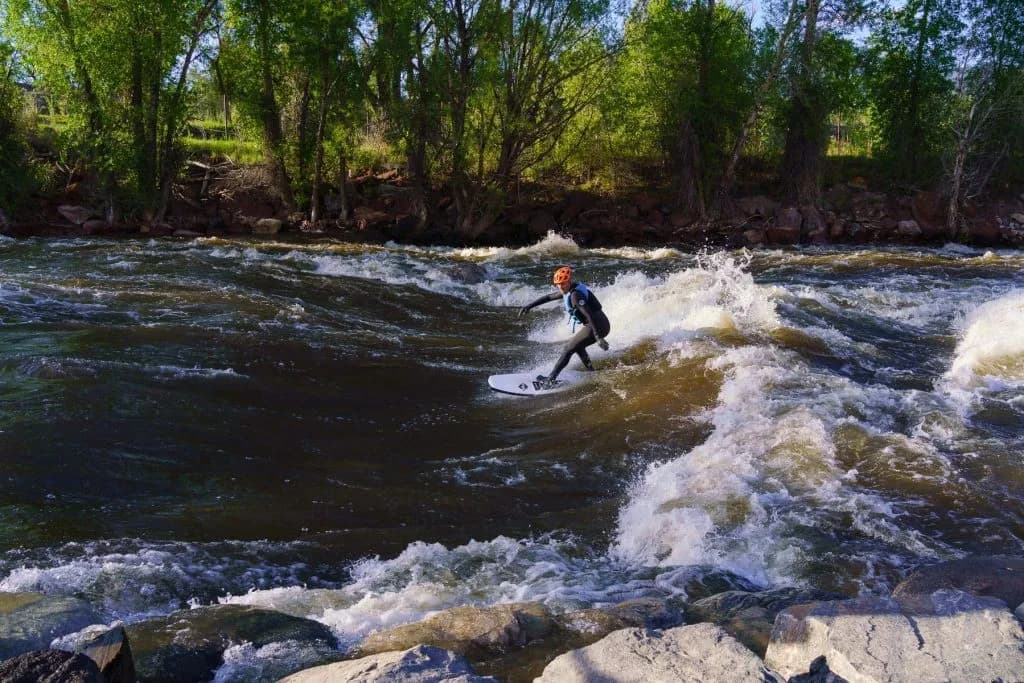
Aspen —The water in the Eagle River doesn’t just move; it performs. For years, the engineered waves at Eagle River Park have been the stage for that performance, a place where the friction between gravity and flow creates a momentary suspension of weight. But lately, the show has been faltering, the water pushing debris and rock into the channel, turning a spot for sport into a hazard for anyone standing close to the edge.
Now, the town is stepping in, not with a checkbook full of cash, but with a commitment to the blueprint. On Nov. 10, the Eagle Town Council approved the 2027 budget, setting aside $150,000 specifically for the engineering component of the wave rebuild. It’s a modest sum compared to the total projected cost, but it signals that the project has moved from the realm of local passion projects into municipal planning.
Lachie Thomas, one of the founders of the Eagle River Park Coalition, the nonprofit that has been advocating for this change, noted that getting the town involved has been a process spanning just under two years. The coalition’s strategy shifted over time; initially, they sought to rebuild all four waves in the park, but they have since narrowed their focus to the first wave. The goal is twofold: to increase the wave’s surfability to extend the season, and to improve safety by addressing the debris issues that have plagued the site since the waves began operating in 2019.
Thomas described the dialogue with the town as fruitful, citing site visits and ongoing conversations about potential improvements as key factors in swaying council members toward support. The $150,000 allocated in the budget will become available in January 2027 and is earmarked strictly for engineering plans. Before a consultant can be hired, the town must issue a request for proposals, a standard procurement step that ensures transparency and competition among bidders.
Beyond the immediate engineering phase, the coalition is engaged in parallel discussions with the Army Corps of Engineers and the Garfield County Board of Commissioners. These talks are crucial for ensuring that the construction work won’t disrupt existing wildfire mitigation efforts or interfere with nearby county development projects. Once the engineering is complete, a detailed cost estimate for construction will be developed.
Gina McCrackin, an Eagle Town Council member, offered a realistic assessment of the financial landscape. She estimated that the total cost of the rebuild could reach around one million dollars. Funding for this amount would likely require a combination of state and federal grants, additional town contributions, and fundraising efforts led by the Eagle River Park Coalition. McCrackin acknowledged that securing these funds could take several years, adding a layer of uncertainty to the timeline.
However, the biggest hurdle might not be financial, but political. As Colorado continues to grapple with historic drought conditions, some council members have questioned whether it is wise to invest taxpayer money in a recreational amenity when other infrastructure needs remain unmet. McCrackin admitted that a community conversation will be necessary to gauge public sentiment.
“The fortunate and unfortunate part about government is we have to weigh the investment of, for instance, a fun, recreational wave at a million dollars against things like ensuring our roads are kept up with and that we’re investing in affordable housing and all the other necessary things,” she said.
This tension between leisure and necessity is the defining feature of small-town governance on the Western Slope. The wave is more than a place to surf; it is a symbol of the town’s identity, a place where the river’s power is tamed just enough to be enjoyed. By investing in the engineering, the town is betting that this identity is worth preserving, even if the payoff is years away.
As the winter sets in and the river slows, the silence of the park offers a stark contrast to the noise of the summer crowds. The water still flows, carrying the memory of every drop that has passed through its channel. Whether that flow will be reshaped by new concrete and steel remains a question waiting for an answer, one that will be written in the language of budgets and blueprints, and perhaps, in the splash of a wave that finally holds its shape.
Keep up with Aspen
The day's Western Slope news, one email each morning. Free.
Will the next grand bargain for Colorado’s roads leave the buses empty

The coin flip was a small, metallic gesture, but it carried the weight of a decade of institutional inertia
Is it actually easier to talk about mental health in the valley

New West KnifeWorks Opens Gallery-Style Boutique in Vail Village

Beaujolais Nouveau Release Date Shifts to Align With Thanksgiving