Will the next grand bargain for Colorado’s roads leave the buses empty
Will the next grand bargain for Colorado’s roads leave the buses empty? That is the question hanging over the $340 million West Vail Pass Auxiliary Lanes Project. The ribbon was cut Monday, marking the end of a six-year effort to…
Aspen —Will the next grand bargain for Colorado’s roads leave the buses empty?
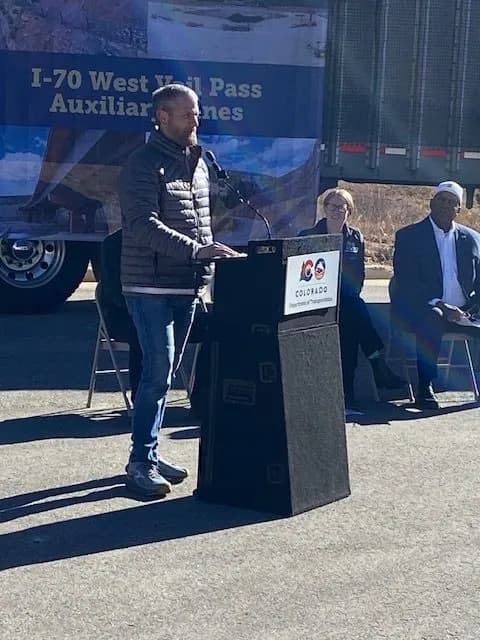
That is the question hanging over the $340 million West Vail Pass Auxiliary Lanes Project. The ribbon was cut Monday, marking the end of a six-year effort to tame the most treacherous stretch of interstate in the nation. For context, this project targets the 10,603-foot Vail Pass, where heavy freight and passenger traffic collide. It is a traditional fix: more lanes, better safety, smoother flow.
But the celebration had a dissenting voice. Shoshana Lew, the outgoing Executive Director of the Colorado Department of Transportation (CDOT), argued that focusing solely on asphalt ignores a growing success story. She pointed to the state’s intercity bus services — Bustang, Snowstang, and Pegasus. These routes are not just filling seats; they are changing how people move through the state.
Let’s do the math. In 2022, the legislature passed SB 22-180, allocating $30 million to a three-year pilot program. The goal was simple: test if more frequent service drives higher ridership. The results are stark. On the I-70 West route, daily roundtrips jumped from four to 15. Consequently, total ridership surged from 175,400 passengers in 2022 to 353,400 in 2025. That is a doubling of usage in just three years.
Lew emphasized that this growth is not happening in a vacuum. It relies on a seamless network. "Being able to take Bustang from the mountain corridor to Denver, hop on the A line (train at Union Station) and get to DIA is just one example of the way that you can leverage all the different services together to be bigger than the sum of their parts," she said. She noted that the I-70 route thrives because it connects directly to local improvements in Summit Stage, RAFTA, Eagle County, and Core Transit.
However, on paper, these services look healthy. In practice, they are facing a funding crunch. The pilot program is ending, and without new dedicated money, the expanded schedule that fueled the 100% ridership increase is at risk.
Jonathan Godes, Executive Director of the I-70 Coalition, has already flagged this issue. He recently sent a letter to the state Transportation Funding Working Group. This group is currently drafting a two-pronged plan for 2027, combining legislation with a ballot question to secure funds for road and bridge maintenance. The plan stems from a deal to remove Initiative 175 from this year’s ballot, an initiative that would have carved out a permanent constitutional tax deduction, potentially starving other state priorities like education and healthcare.
Godes’ letter, addressed to Governor-elect Phil Weiser and other working group members, argues that the new funding framework must explicitly protect multimodal transit. He contends that if the state pours billions into highway infrastructure but lets the bus lines collapse, it loses a vital tool for reducing congestion and carbon emissions.
For locals, this isn't just bureaucratic noise. If the funding deal fails to ring-fence money for transit, expect fewer daily runs on the I-70 corridor. That means longer waits, crowded seats, and a return to the pre-2022 status quo where driving your own car was the only reliable option. The $340 million spent on Vail Pass lanes will still help trucks roll through, but it won't help the commuter who wants to skip the gas station.
The state is betting that a 2027 ballot measure will solve the road maintenance backlog. But the bus ridership data suggests a different priority. People are already voting with their feet. The question is whether the politicians writing the next budget will listen.
Keep up with Aspen
The day's Western Slope news, one email each morning. Free.
Eagle River Allocates $150,000 for Wave Rebuild Engineering
The coin flip was a small, metallic gesture, but it carried the weight of a decade of institutional inertia
Is it actually easier to talk about mental health in the valley
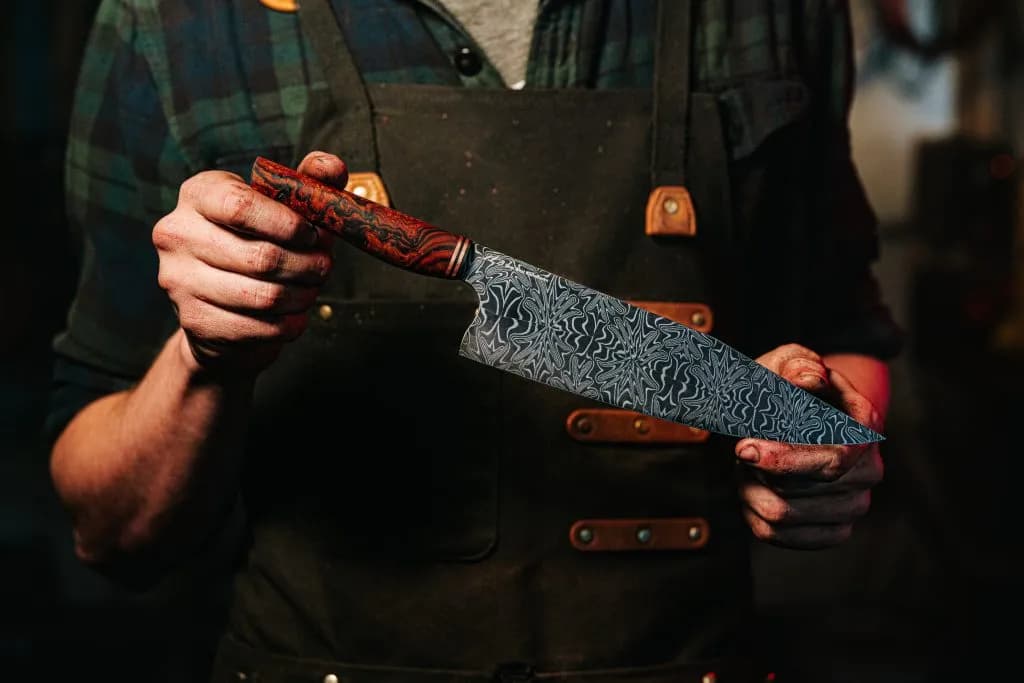
New West KnifeWorks Opens Gallery-Style Boutique in Vail Village

Beaujolais Nouveau Release Date Shifts to Align With Thanksgiving