Eagle River Guide Shares Nymphing Secrets
A local guide shares his expertise on nymphing, emphasizing the importance of using enough tungsten bead for successful fishing trips on the Eagle River.
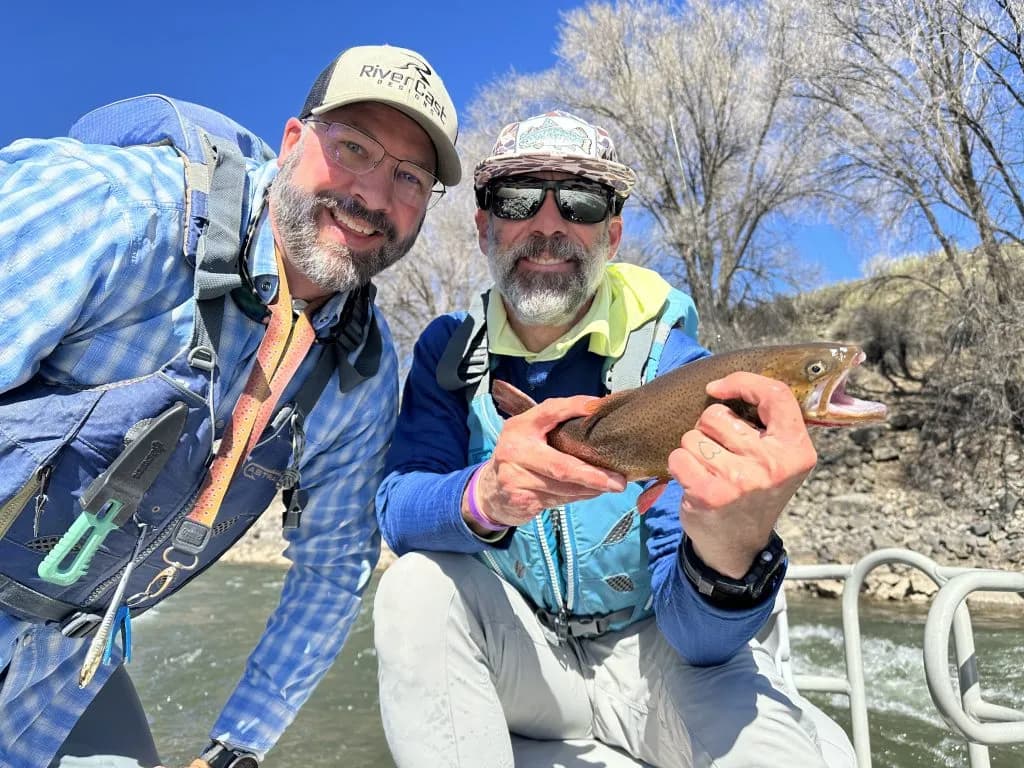
Aspen —On the tranquil waters of the Eagle River, the gentle lapping of the current against the shore creates a soothing melody, a sense of serenity that belies the complexity of the fishing techniques employed by seasoned anglers. As the sun casts its warm glow over the river, a guide, Bryant Compton, is seen expertly navigating his raft, his eyes scanning the water for the perfect spot to anchor his nymph rig. It's here that the importance of using enough bead in nymphing comes into play, a technique that Compton, a nymphing master, swears by.
As Compton puts it, "use enough bead" - a simple yet crucial piece of advice that can make all the difference in the success of a fishing trip. The bead in question is a large, tungsten one, tied onto a jig-style hook, which Compton insists is essential for achieving the right balance and weight in the water. This approach, he explains, allows the nymph to sink quickly and efficiently, eliminating the need for additional weights on the line. The numbers back that up, as Compton's nymphing techniques have consistently yielded impressive results, including a recent float where the big, beaded bug produced immediately as they started to float downstream.
The use of tungsten beads in nymphs is not a new concept, but it's one that has gained significant attention in recent years, particularly among competitive fly fishers. Performance jig-style nymphs, which often feature premium materials like super-sharp, barbless hooks and tungsten beads, command a higher price point due to the quality of their components. However, as Compton notes, the extra cost is justified by the improved performance and control they offer. Tungsten, in particular, is prized for its ability to provide a more efficient presentation, allowing fly fishers to detect strikes more easily and feel more connected to the nymph.
This approach has its roots in competitive fly fishing, a sport that is more popular in Europe than in the United States. Euro-nymphing presentations, rigging, and flies have been adapted and modified to suit the needs of fly fishers outside of competitive angling. Compton's own experiences, including a memorable fishing trip on the Eagle River with Italian competitive fly fisher Sandro Soldarini, have shown him the effectiveness of tungsten beads in nymphs. Soldarini's ability to catch every fish in a small riffle, using properly sized tungsten beaded nymphs, was a remarkable demonstration of this technique's power, as he caught every fish in the short run, nine fish in total.
The question is whether this approach can be applied to different fishing conditions and locations. As Compton explains, the key is to understand the specific needs of the water and the fish, and to adjust the bead size and weight accordingly. Fly tyers, in particular, have a unique grasp on bead size, especially when pairing a tungsten bead with an appropriate hook. While there is no one-size-fits-all solution, Compton's emphasis on using enough bead serves as a guiding principle for fly fishers looking to improve their nymphing techniques.
Compton's approach has yielded impressive results, and his advice to "use enough bead" is one that is likely to resonate with fly fishers on the Western Slope. As he looks out over the river, his eyes scanning the water for the next big catch, Compton's thoughts turn to the future of nymphing, and the role that tungsten beads will play in shaping its evolution. "The use of tungsten works better in heavy water, rough currents, and to keep nymphs on the river bottom," he says, his voice filled with conviction. "It's a technique that requires patience, practice, and a willingness to adapt - but the rewards are well worth the effort."
Keep up with Aspen
The day's Western Slope news, one email each morning. Free.