Gov. Jared Polis Activates Drought Task Force for Western Slope
Gov. Jared Polis activates Colorado’s Drought Task Force to address record-breaking heat and low snowpack, targeting infrastructure and water security for Western Slope communities.
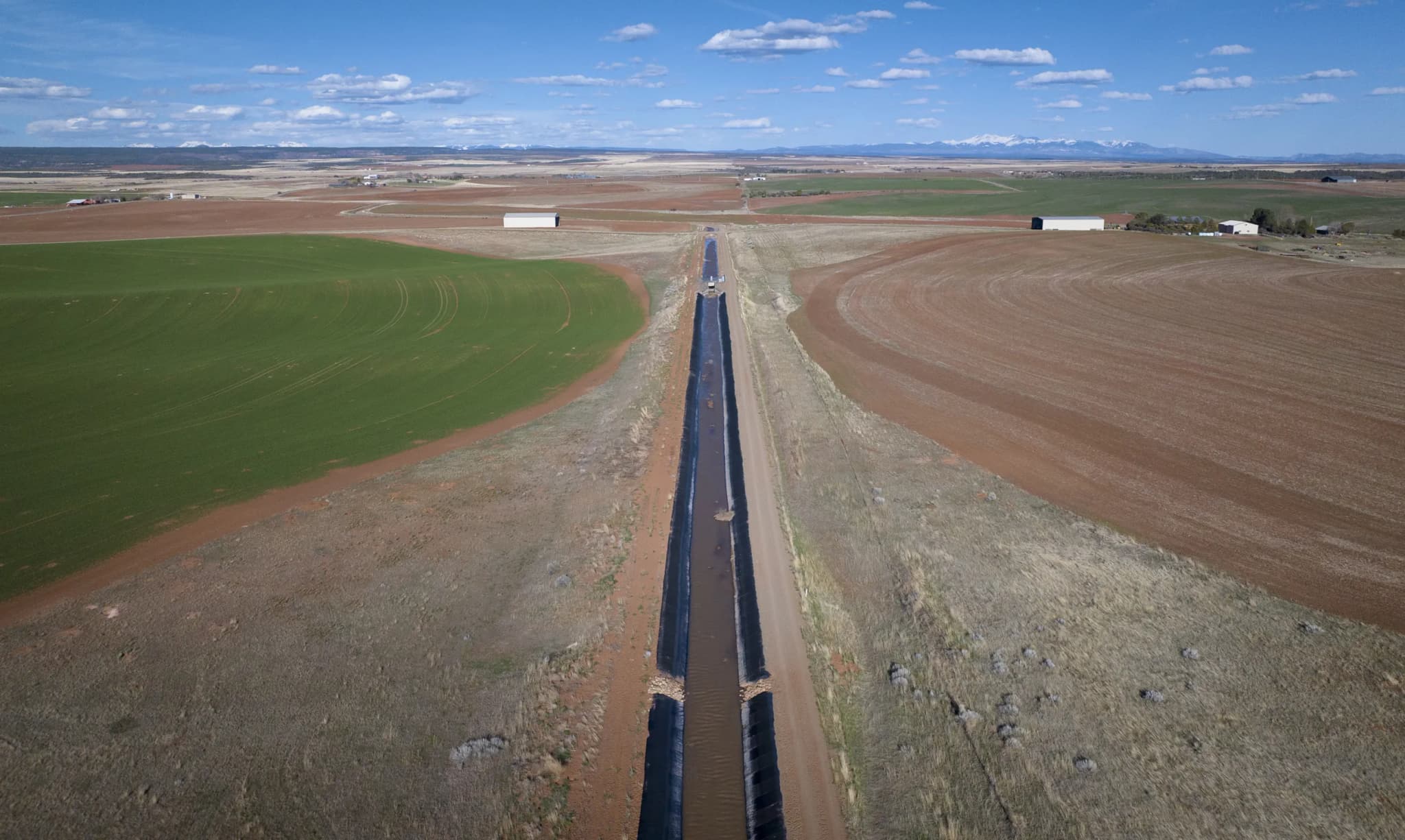
Colorado —The thermometer in Grand Junction hit 98 degrees on Tuesday. The air didn’t just feel hot; it felt thin, stripped of the humidity that usually clings to the Colorado River in late spring. You could see the dust kicking up off the I-70 shoulder, a fine, pale haze that settles into your lungs before you even turn the key in the ignition.
That’s the reality facing Western Slope neighbors right now. And while we’re sweating through our shirts, the state is sweating through its records.
Gov. Jared Polis activated Colorado’s Drought Task Force on March 16. That’s not a bureaucratic shuffle. That’s a formal declaration that the state is in trouble. The trigger was a record-smashing heat wave that melted the already-low snowpack faster than the engineers predicted. Now, the group is back online for the first time since 2020, and they are looking at a landscape that is dry, brittle, and desperate for water.
Let’s look at who’s in the room. You’ve got the Department of Natural Resources, the Department of Agriculture, the Department of Local Affairs, and Homeland Security. It’s a heavy-hitting list. Their job isn’t to write poetry about the drought; it’s to identify vulnerabilities. They’re flagging wildfire risk. They’re watching farmers who can’t irrigate. They’re checking to see if small communities have a backup water source if their primary supply dries up.
Tracy Kosloff, deputy director of the Colorado Division of Water Resources, put it plainly: “Colorado ag water users are used to preparing for drought and adjusting accordingly.”
Here’s the translation: Farmers know the system is broken. They know they have to adjust. But adjustment doesn’t mean you don’t get impacted. It just means you get impacted harder and faster than you’d like.
The committee isn’t working in a vacuum. They’re tracking the U.S. Drought Monitor like hawks. Why? Because those maps dictate disaster declarations. Those declarations unlock the cash and resources locals need when the wells run low. If the map turns brown, the money turns on.
But don’t get too excited about the rain we got in early May. Russ Schumacher, the state climatologist, gave the task force a reality check this past Thursday. Yes, some higher elevations got two feet of snow. Yes, parts of the Eastern Plains and north-central Colorado saw up to two inches of precipitation. It boosted soil moisture. It bumped up streamflows.
Schumacher called it the “miracle May” hope. Then he killed it.
“It doesn’t, unfortunately, look like that is what is going to come about,” he said.
The rain was a bandage, not a cure. It bought us a few weeks of green grass, but the deep drought is still there, waiting. The body is now coordinating between jurisdictions to ensure that when the heat ramps up again — and it will — we have the resources to handle it.
For folks on the Western Slope, this isn’t just about whether your lawn survives July. It’s about infrastructure. It’s about whether the water district can keep the pressure up in your house. It’s about whether the fire crews have enough fuel to get to your ridge line.
Polis told the group at their April meeting, “This is an incredibly important part of our statewide response and making sure that we use every tool at our disposal to help every community across the state in need in this really difficult time.”
Every tool. That includes the tax dollars allocated for emergency response and the regulatory levers pulled by the Department of Natural Resources. The question isn’t if the drought will hit the West Slope. It’s how much of our budget we have to burn to keep the lights on and the water flowing.
Keep up with Colorado
The day's Western Slope news, one email each morning. Free.
Federal Report Sets 200,000 Acre-Foot Water Conservation Target for Upper Basin
Colorado Parks and Wildlife Deploys Precision Drones for Weed Control