Colorado Ski Death Toll Stays Flat at 13 Despite Snow Shortage
Colorado’s ski death toll remained steady at 13 in the 2025-26 season despite reduced skier traffic, driven by thin snow, tree collisions, and increased heart attacks among older skiers.
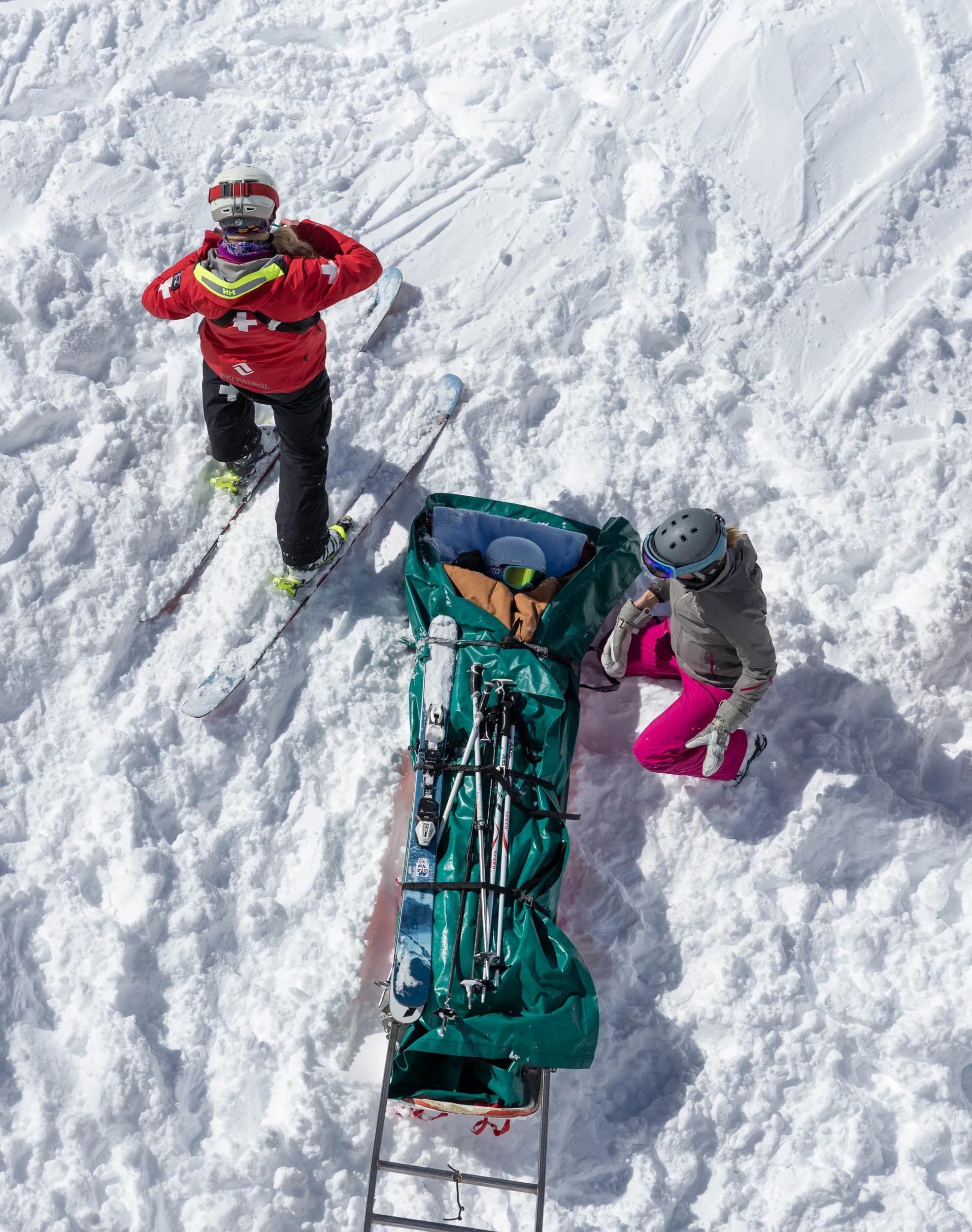
Colorado —“At least 13 men died on Colorado’s ski slopes in the 2025-26 season, about the same as recent seasons despite a snow-starved winter that reduced annual skier traffic by a few million visits.”
That’s the headline from the Colorado Sun’s annual survey of county coroners, and it lands with a quiet thud. Thirteen deaths. Not a spike. Not a historic low. Just a steady, grim average in a state where we assume skiing is getting safer, or at least more predictable.
The numbers tell a specific story this year. All thirteen were men. Ages ranged from 25 to 74. Twelve were skiers. One was a snowboarder. And critically, no one died in a collision with another skier. The danger wasn’t coming from the person next to you; it was coming from the ground, the trees, or your own heart.
Nine of those deaths resulted from trauma sustained in a fall or from colliding with a tree. Three men died of heart attacks, up from two the previous season. One man suffocated after falling into a tree well — a dangerous void beneath conifer trees that can trap and bury a skier if they aren’t quick to dig out.
The location of these deaths matters for locals who hit the slopes. The fatalities occurred at 11 different ski areas. Only Keystone saw more than one death. This isn’t a story about one resort failing to manage its crowds. It’s a story about conditions across the board.
You might ask: if there are fewer people skiing, why are the death tolls staying the same?
The answer lies in the quality of the snow, not just the quantity. When snow is thin and patchy, skiers spend more time on the edges, closer to the trees, and on harder, icier surfaces. That increases the likelihood of a solo fall or a tree collision. It also means skiers are pushing harder to find the good stuff, which can lead to fatigue and, in some cases, cardiac events.
Three men died of heart attacks this season. That’s an increase. It suggests that the physical demand of skiing in poor conditions — chasing powder through slush or climbing up steep, thin slopes, is taking a toll on older skiers.
The Colorado Sun surveys 17 county coroners every May to assemble this list. Colorado ski areas do not publicly report deaths or injuries, so this survey is the closest we get to a definitive count. It’s “at least” 13 because there’s no formal accounting system. Coroner’s offices in one county might miss a death that occurred just over the border in another.
Last year, coroners counted at least 13 deaths. In 2023-24, it was at least 15. In 2022-23, it was at least 17. The highest number recorded was in 2011-12, another very low snow year, when there were 22 deaths.
So, 13 is not an outlier. It’s a return to the mean. But the mean is still a place where people die.
The National Ski Areas Association reported 50 fatalities in the 2024-25 ski season. The 10-year average for the industry is 44 deaths per season. But the industry doesn’t count medical events in its annual tally of “sport-related trauma” fatalities. That’s why the local coroner data is so important. It captures the heart attacks. It accounts for the tree well suffocations. It reveals the full scope of the risk.
For folks around here, the lesson isn’t that skiing is suddenly more dangerous. It’s that the conditions are forcing us to be more careful. The snow is thinner. The trees are closer. The heart attacks are real.
“The conditions have been poor,” one source noted, “and I think that’s what’s driving the consistency in the death toll.”
It’s a reminder that the mountain doesn’t care how many tickets you sold. It only cares if you fall.
Keep up with Colorado
The day's Western Slope news, one email each morning. Free.
Federal Report Sets 200,000 Acre-Foot Water Conservation Target for Upper Basin
Colorado Parks and Wildlife Deploys Precision Drones for Weed Control