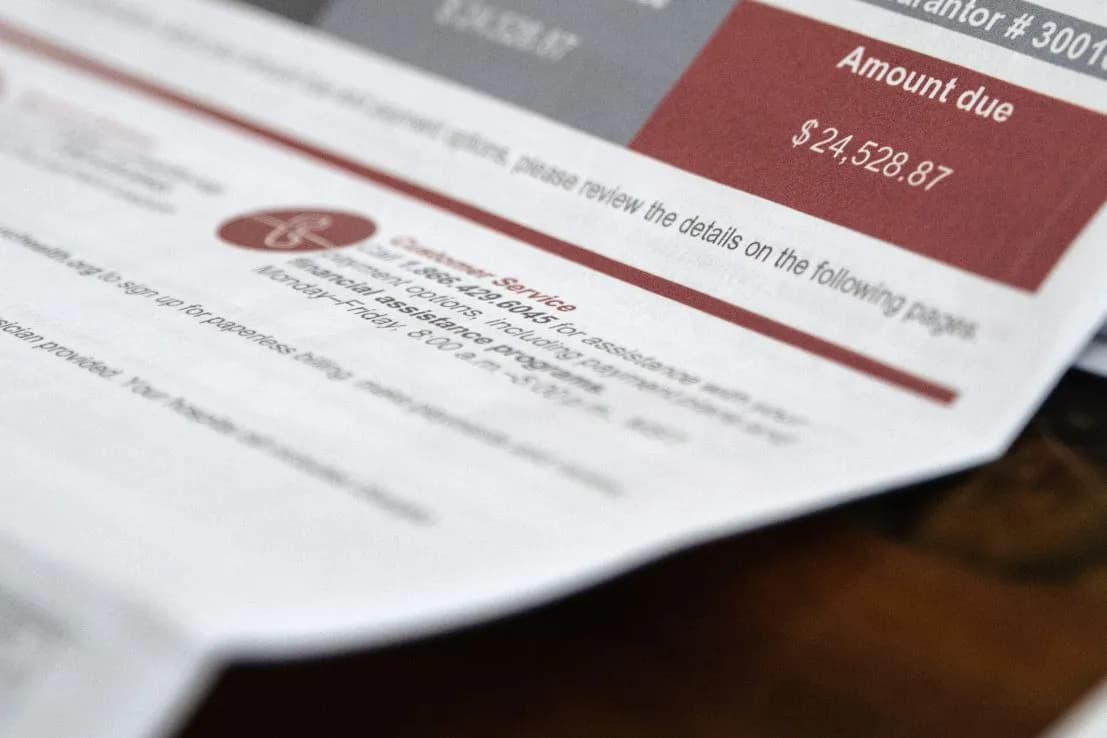
Colorado Health Institute survey finds 37.7 percent feel climate change health impacts
A new Colorado Health Institute survey reveals that 37.7 percent of residents have already experienced health issues like respiratory problems and mental strain directly linked to climate change, highlighting an urgent need for better public health communication.
Colorado —Eighteen percent of Coloradans have already felt their own health or a family member’s health take a hit from the changing climate. That is not a projection. That is not a future threat waiting for a tipping point. It is happening now.
The number is 37.7 percent.
That figure comes from the Colorado Health Institute’s latest survey. It represents 1.5 million people. They are not just worrying about polar bears. They are dealing with respiratory issues. They are managing mental health strain. They are breathing smoke.
Joe Hanel, the institute’s communications director, put it plainly. We used to talk about climate change as a big problem on the horizon. The data says it is a big problem here right now.
The survey tracks more than just insurance gaps. It asks broad questions about health. It includes specific inquiries about climate impacts. The goal is to map out where public health efforts need to go. The report serves as a roadmap for Acclimate Colorado, the project designed to prepare communities for what is already arriving.
The health impacts are specific. Respiratory illness and breathing problems are the most common complaint. 26.8 percent of respondents reported these issues in themselves or their families. That is the leading symptom of a warming, drying state.
Mental health and substance use issues come in second at 9.9 percent. Climate anxiety is real. It is measurable. It is taking a toll on neighbors who watch the snowpack vanish and the fires start earlier each year.
There is a gap in understanding, too. Six percent of people said they didn’t know climate change could impact health. But that group is not random. A disproportionate number speak a language other than English at home.
Lindsey Whittington, the institute’s data and analysis manager, noted this disparity. It highlights a critical failure in communication. Public health authorities cannot just issue a press release in English and assume the job is done. Messaging must resonate with the communities receiving it. It requires working closely with individual groups to ensure the information sticks.
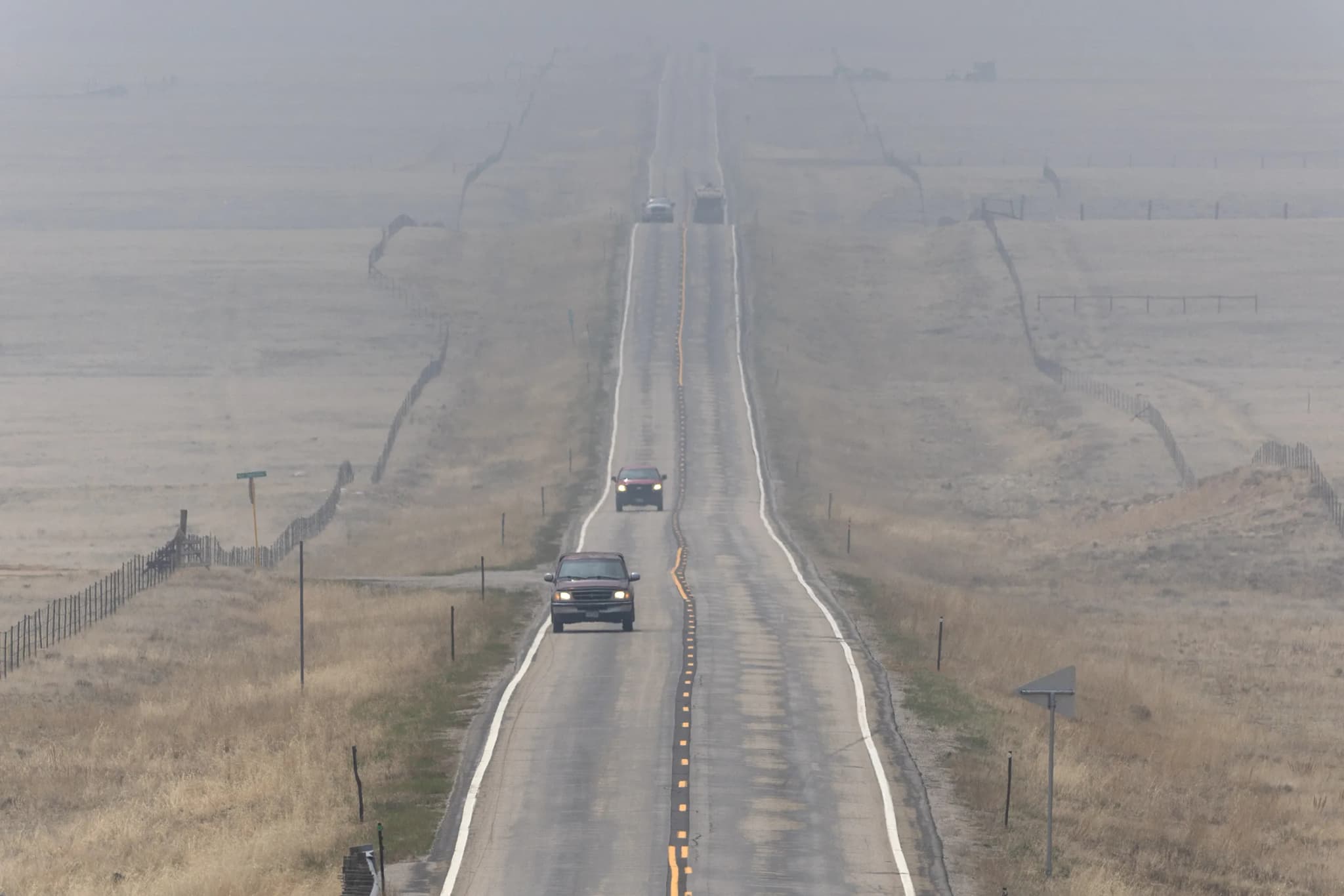
The context for these numbers is stark. We are in an unseasonably warm, historically dry year. Last week, a drought-denting snowstorm hit much of the state. It was a brief reprieve. It did not change the trajectory. The smoke from the Alexander Mountain fire filtered through Loveland in July. It drifted from Canada in May. Vehicles commuted on U.S. 24 outside Hartsel with low visibility. The air quality indices spiked. People felt it.
This survey data is not abstract. It is the same data used to track health insurance trends. It is reliable. It is consistent. It shows that the economic and physical costs of climate change are being paid by individuals, not just by the state treasury.
The 81.7 percent of Coloradans who say climate change impacts people’s health in general confirms the consensus. But the 37.7 percent who say it has impacted them is the alarm bell. That is the group dealing with the immediate consequences. Folks in this camp are paying the price in doctor visits, in missed workdays, in anxiety.
The short version: The horizon is gone. The problem is here. And the communication strategy needs to catch up to the reality.
Keep up with Colorado
The day's Western Slope news, one email each morning. Free.

Federal Report Sets 200,000 Acre-Foot Water Conservation Target for Upper Basin
Colorado Parks and Wildlife Deploys Precision Drones for Weed Control