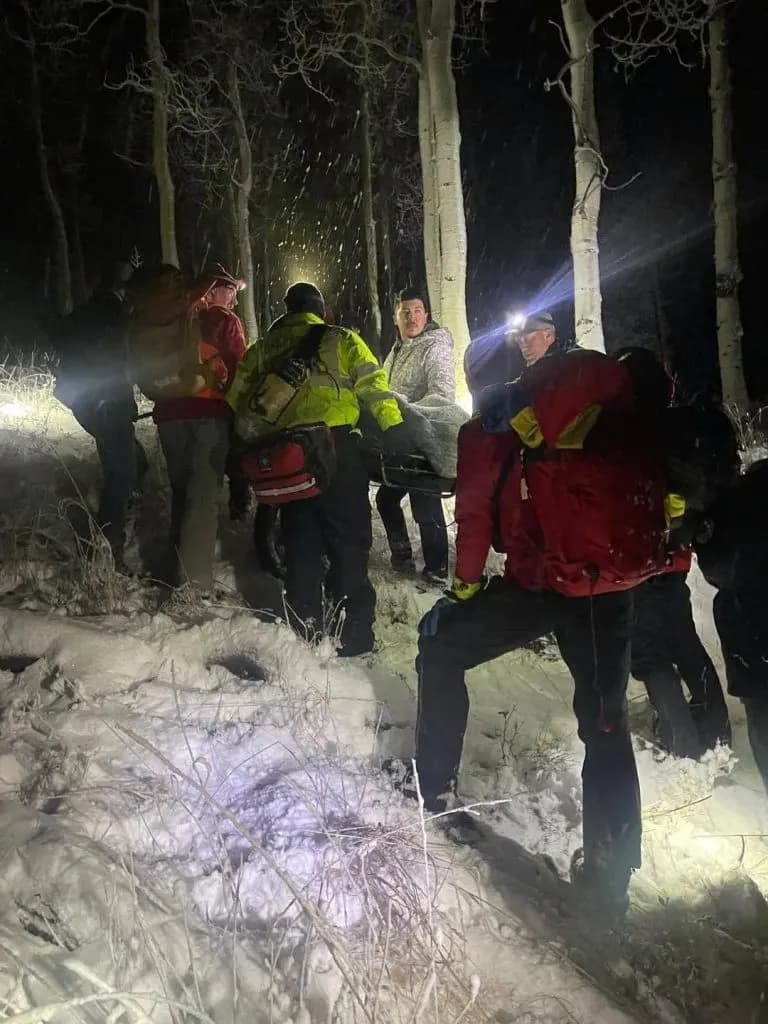
Eagle Summit Wilderness Alliance Seeks Volunteers for Trail Maintenance
The Eagle Summit Wilderness Alliance is seeking volunteers to help with trail maintenance and conservation efforts in the Eagles Nest and White River National Forest areas.
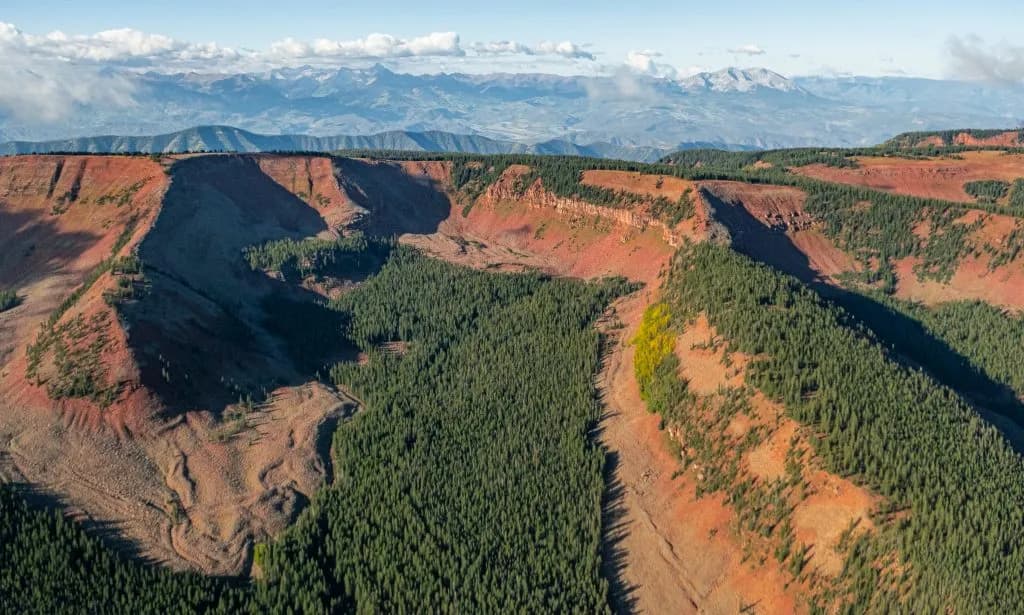
Aspen —The sun rises over the Eagles Nest Wilderness, casting a warm glow over the rugged terrain. Hikers are already on the trails, their footsteps quiet on the dirt paths. The air is crisp, filled with the scent of pine and the sound of birds chirping.
Here's the thing though: these trails don't maintain themselves. The U.S. Forest Service, responsible for overseeing the Eagles Nest, Holy Cross, Ptarmigan Peak, and Flat Tops Wilderness areas, has faced severe staffing cuts - upwards of 29% in recent years. And with the driest winter on record, the need for human help in preserving these areas has never been more pressing. The White River National Forest, which includes these wilderness areas, is the most-visited forest in the country, with 2,500 miles of trails to maintain. It's a daunting task, especially considering the Forest Service can't do it alone.
The Eagle Summit Wilderness Alliance, a local, all-volunteer nonprofit, is stepping in to fill the gap. As Frances Hartogh, the organization's chair, notes, "trails don’t repair themselves from overuse or water damage. Trees that fall across trails don’t remove themselves. Trash doesn’t magically disappear..." The Alliance is looking for volunteers to help with trail maintenance, educate visitors, and conduct sustainability work. It's not a small task, but the rewards are high - and not just in terms of job satisfaction. By volunteering, individuals can give back to the community and help preserve the natural beauty of the area.
The Alliance's volunteer wilderness rangers and trailhead hosts play a crucial role in maintaining the integrity of these wilderness areas. They hike the trails, clear fallen trees, and rehab illegal campsites. They also engage with visitors, providing education on the special rules in place to protect these fragile ecosystems. Last year, the organization's volunteers hiked over 3,000 miles and met with over 12,000 wilderness users, conducting hundreds of fire-safety conversations. It's a remarkable effort, and one that requires a significant amount of time and dedication.
For those interested in getting involved, the volunteer training is scheduled for June 6 in Silverthorne. The training is open to anyone who wants to learn more about the organization and how to get involved. And the commitment is flexible - volunteers are only required to participate in a minimum of four outings a year, choosing their own days and trails. As Hartogh notes, "if you love our Wilderness Areas, consider giving back! If you’re like me, you’re out there hiking anyway, so why not hike with a purpose." It's a compelling argument, especially for those who value the beauty and tranquility of these natural spaces.
The deadline for applications is May 20, and those interested can sign up through the organization's website. For more information about the programs and initiatives, visit https://www.wild4eswa.org. As Hartogh says, "you'll be glad you did — and so will the Wilderness Areas you love." The Eagles Nest Wilderness, with its stunning vistas and abundant wildlife, is a place that inspires a sense of awe and wonder. By getting involved with this conservation effort, individuals can help ensure that this natural beauty is preserved for generations to come.
The sun is now high overhead, casting a warm glow over the wilderness area. Hikers are scattered throughout the trails, their footsteps quiet on the dirt paths. The air is still crisp, filled with the scent of pine and the sound of birds chirping. It's a peaceful scene, one that underscores the importance of preserving these natural spaces. As the conservation work continues, it's clear that a real difference is being made in the community. And for those who value the beauty and tranquility of the wilderness, getting involved is a compelling opportunity to give back and make a positive impact.
Keep up with Aspen
The day's Western Slope news, one email each morning. Free.