ECCD Beyond Lawn Program Launches Office Hours to Clear Backlog
ECCD launches Office Hours to help homeowners navigate the Beyond Lawn program backlog, offering direct expert advice on swapping turf for climate-adapted plantings amid historic drought.

Aspen —A long waiting list. That’s the current status of the ECCD’s Beyond Lawn program, a limited-capacity initiative funded by grants to help property owners swap water-thirsty, non-native turf for climate-adapted plantings. Demand for landscaping evaluations and custom reports has outpaced grant funding resources. The result is a backlog that forces homeowners to wait for professional guidance.
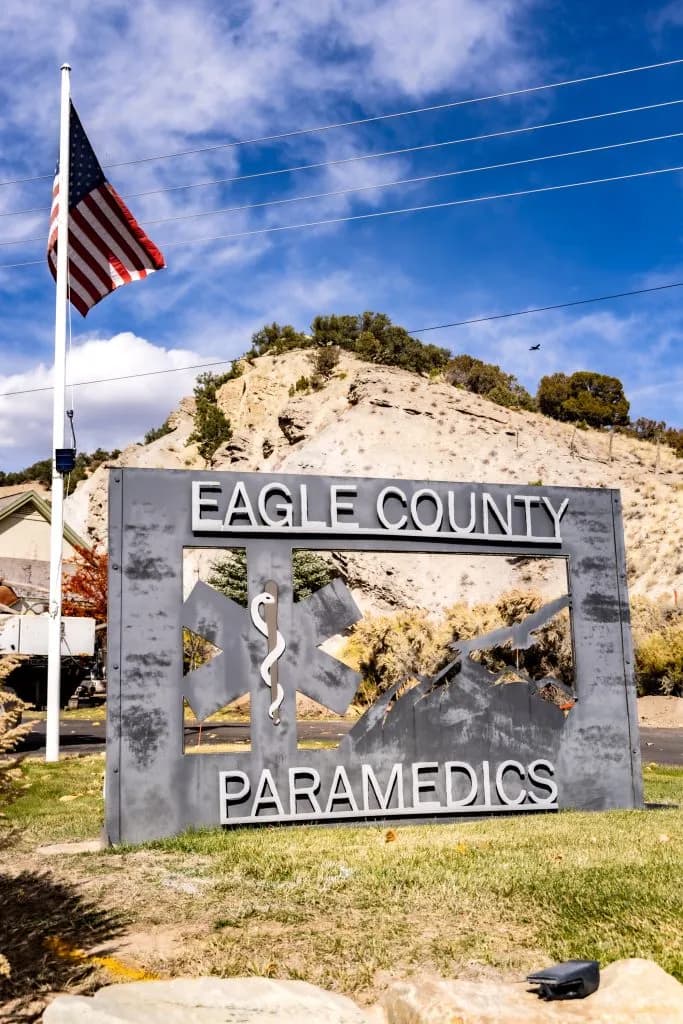
The Eagle County Conservation District (ECCD) isn’t sitting still. They’ve launched Office Hours, a new in-person service where homeowners meet directly with landscaping experts. This isn’t a high-level policy briefing. It’s practical advice on how to dial back water use while restrictions are in place. Staff will help you decide whether to let your lawn go dormant this year, improve irrigation efficiency, or start a full landscape transformation. Partner organizations are joining these sessions. Eagle River Water and Sanitation District and the Eagle County Wildfire Collaborative provide on-site expertise. They help residents understand water use metrics and assess wildfire risk to their specific homes. It’s a coordinated effort to protect limited water supplies and reduce fire hazards simultaneously.
For those who can’t make it to Office Hours, the Beyond Lawn website hosts an extensive library of information sheets and how-to guides. These resources are tailored to specific elevations and local climate conditions. They cover everything from soil health to pollinator benefits. The goal is to support healthy soils and enhance the appearance of homes without relying on excessive irrigation.
The program is also expanding its reach through local landscaping companies and independent contractors. These partners are conducting evaluations using Beyond Lawn resources. This approach allows the ECCD to extend the reach of its popular customized reports to more homeowners on the waiting list. It connects participants directly to local pros who are already invested in sustainable practices.
Let’s look at the context. This year is defined by historic drought conditions. The ECCD notes that water providers are working closely with fire protection entities and nonprofits like the Eagle River Coalition and the Eagle Valley Land Trust. They are coordinating to conserve water supplies, streamflows, and water quality. The demand for resilient landscapes isn’t just about aesthetics. It’s about survival in a drying climate.
The Beyond Lawn program was created to transition property owners from non-native plantings to landscapes adapted to the local climate. It’s a win-win strategy. It reduces wildfire risk. It supports pollinators and wildlife. It enhances curb appeal. And it ensures landscapes can thrive when water providers ask for less water.
The shift is happening now. Office Hours are available for immediate consultation. The website offers DIY tutorials. Partner evaluations are rolling out to clear the backlog. The infrastructure for this transition is being built in real time, driven by the urgent need to conserve water.
The bottom line for locals: if you want a custom report, you’re on the list. If you need help now, you go to Office Hours or the website. The system is stretched, but it’s operational. You don’t need to wait for a new grant cycle to start making changes. You just need to use the resources available.
Keep up with Aspen
The day's Western Slope news, one email each morning. Free.