El Niño Signals Strong 2026 Ski Season for Western Slope
Meteorologists predict a strong El Niño will shift storm tracks, likely delivering an active late season and improved snowpack for Western Slope ski resorts in 2026-27.
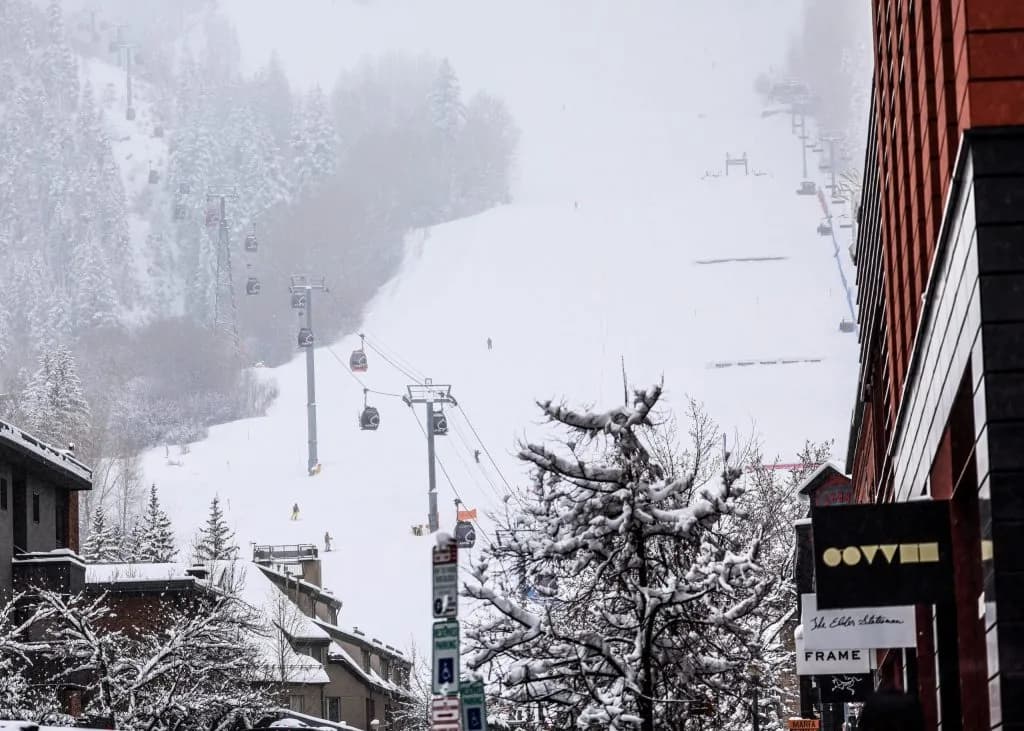
Aspen —The wind off the Continental Divide doesn’t care about your plans. It howls through the cut, strips heat from exposed skin, and turns the gray sky into a flat, unbroken sheet of white. Down in the valley, the air is still crisp enough to see your breath, but the ground is dry. The snow line sits high on the peaks, a thin cap of white that looks fragile under the October sun.
That fragility is what has locals on edge. Last winter, the Western Slope watched its snowpack shrink to historic lows. The base was thin. The lifts ran on a skeleton of powder. It was a brutal season for the industry and the people who rely on it.
This year, the forecast looks different. Make no mistake: the odds have shifted.
OpenSnow founding meteorologist Joel Gratz told a webinar Tuesday, Oct. 6, that the coming 2026-27 season carries a high probability of being "in the plus direction." He cited a strong El Niño pattern as the primary driver. Gratz said last season was a "super anomaly" in the wrong direction, but this winter is likely to bring a better base, more storms, and more skiing.
The mechanism is straightforward physics. El Niño marks warmer-than-average water temperatures in the Pacific Ocean. Gratz noted that current trends suggest this may be the strongest El Niño in 50 years. That warm water shifts the jet stream. The jet stream is the driver of weather. By shifting it, the pattern changes storm tracks and alters where snow falls.
Gratz warned against treating this as a guarantee. He urged forecasters to say "I don’t know" more often. There is nuance in how the pattern plays out across the country. Historically, El Niño events have led to more snow later in the ski season, particularly in states like Colorado.
"There will likely be more snow later in the season, or at least more storminess later in the season," Gratz said. "Could we have a decent start and OK snow in the middle? Absolutely, but the signal is there for a pretty active late season."
OpenSnow forecaster Sam Collentine added that the pattern often means a wetter winter for the Southwest and a drier season in the North. For people on the Western Slope, that distinction matters. It means the early season might not look like the late season. The hype is real, but it’s specific to timing.
The webinar drew representatives from Monarch Ski Area in Colorado, Vail Resorts’ properties including Park City in Utah, and resorts on the East Coast. They came seeking insights. What they got was a forecast that favors spring over opening day.
The Vail Daily reported the details of Gratz’s breakdown. He emphasized that while the pattern shifts odds, it does not eliminate variability. Skiers and resort operators are watching the data closely. The industry spent last year managing a deficit. This year, they are bracing for a surplus.
The short version: the jet stream is moving. The water in the Pacific is hot. Storm tracks are shifting south and west. For Colorado’s ski towns, that usually means more precipitation in the final months of the season.
It doesn’t mean a perfect December. It means a lively March. For locals, the difference is significant. A thin base in December limits early-season access. An active late season extends the window for skiing, snowboarding, and backcountry trips. It supports the local economy through weeks that have historically been quiet or dry.
Gratz’s team is tracking the pattern daily. The signal is there. Whether it translates to a record-breaking season or just an average one with better timing remains the key variable. The industry is betting on the "plus direction."
The wind still howls off the divide. But for once, the forecast suggests it might bring something other than dust.
Keep up with Aspen
The day's Western Slope news, one email each morning. Free.