Erik Read Reflects on Ski Season Challenges
Canadian Olympian Erik Read discusses his journey, perseverance, and determination in the ski racing world, despite a challenging season.
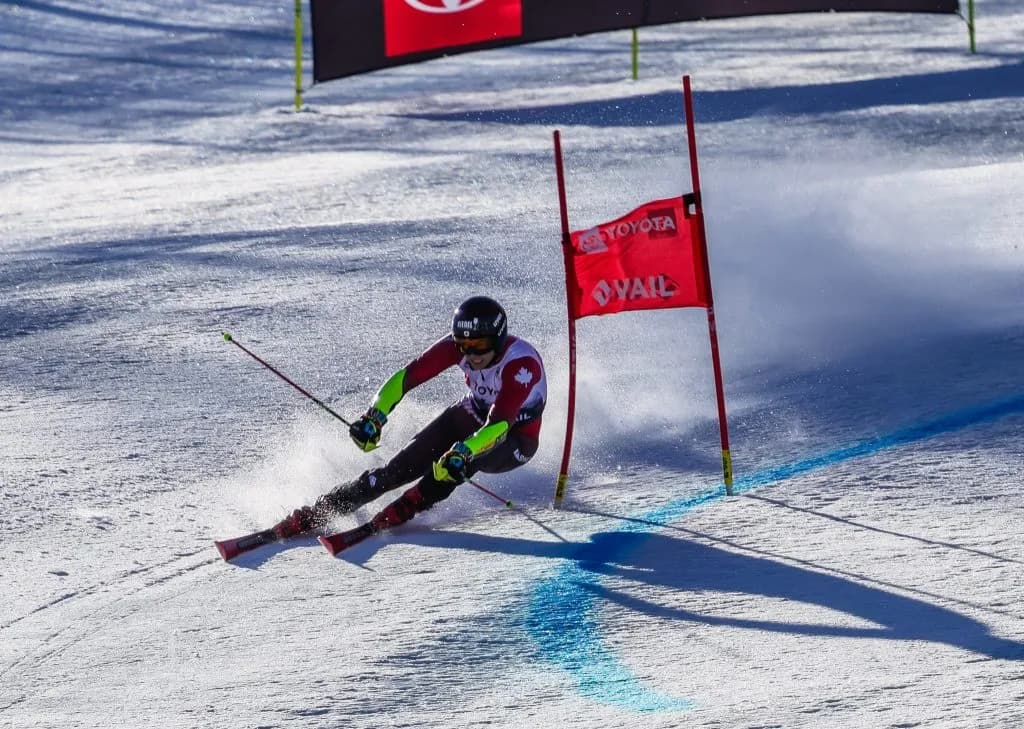
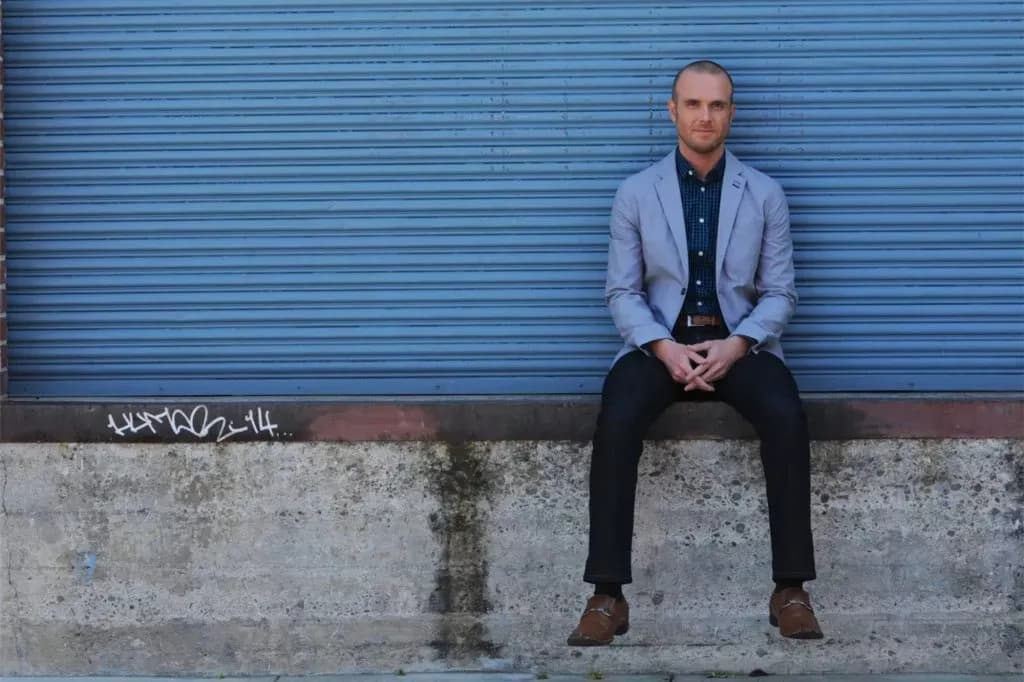
Aspen —Erik Read stands at the base of the mountain, his skis shouldered, a mix of relief and sadness etched on his face. The 34-year-old Canadian Olympian has just finished a grueling season, one that saw him come close to achieving his goals, only to fall short. He's reflecting on his journey, one that's been marked by perseverance and a determination to carve out his own path in the ski racing world.
His family's legacy in the sport is well-known - his mom, Lynda Robbins, and his two uncles were all Canadian national team skiers, and his grandma even won a national title. But it's his dad, Ken Read, who's perhaps the most iconic figure in the family tree. A member of the "Crazy Canucks" of the 70s and 80s, Ken was a daring speed skier who made history by becoming the first non-European to win at Hahnenkamm and Kitzbuhel. Erik, however, has always been determined to forge his own way, even as he acknowledges the gravity of his dad's accomplishments. "I'd always heard about it growing up," he says, "but when I went over to Europe for the first time and you stick yourself right in the ski culture, you realize the gravity of what my dad in particular was able to accomplish with his World Cup wins."
This season was supposed to be different, though. Erik had made significant changes to his training and nutrition, coming into the 2025-26 season "lighter, but moving better." His goal was simple: make it to Milan for the Olympics. And for a while, it seemed like he was on track. He scored his first World Cup points of the season at Copper Mountain in November, securing starts on the top circuit for the remainder of the winter. But then, adversity struck. In five races between December 13 and January 18, Erik finished within a tenth of a second from earning a second run. "Great skiing, but when you don't have anything to bring home, it starts to get tough," he says, his voice laced with frustration.
The final GS Olympic qualifier on January 10 in Adelboden was a particularly tough pill to swallow. Erik finished 32nd, just nine hundredths off a second run. "That's where it probably hit me the hardest," he admits. The sense of disappointment was palpable, and for a moment, it seemed like all his hard work had been for nothing. But Erik's not one to give up easily. Instead, he regrouped, refocused, and started competing in NorAm Cups and Europa Cups. He placed 11th in Berchtesgaden, Germany, and sixth in Norefjell, Norway, before returning to Colorado for the Aspen Highlands NorAm series. It wasn't the season he had hoped for, but Erik's determined to use it as a learning experience.
As he looks out at the mountain, Erik's thoughts are already turning to the future. He knows he's got a long way to go, but he's ready for the challenge. "I was actually achieving better than he ever did in slalom and GS, doing my own thing," he says, a hint of pride in his voice. For Erik, it's not about living up to his family's legacy - it's about forging his own path, one that's marked by perseverance, determination, and a passion for the sport. And as he clicks into his skis, ready to take on the mountain once again, it's clear that he's not done yet. The snow-capped peaks stretch out before him, a reminder that there's always another run to be skied, another challenge to be overcome.
Keep up with Aspen
The day's Western Slope news, one email each morning. Free.