Federal Audit Threatens Colorado Wolf Recovery Plan
The Interior Department launched a 15-day audit of Colorado’s wolf management authority, challenging the 2023 state-federal agreement. The review follows President Trump’s executive order aimed at easing restrictions for ranchers.
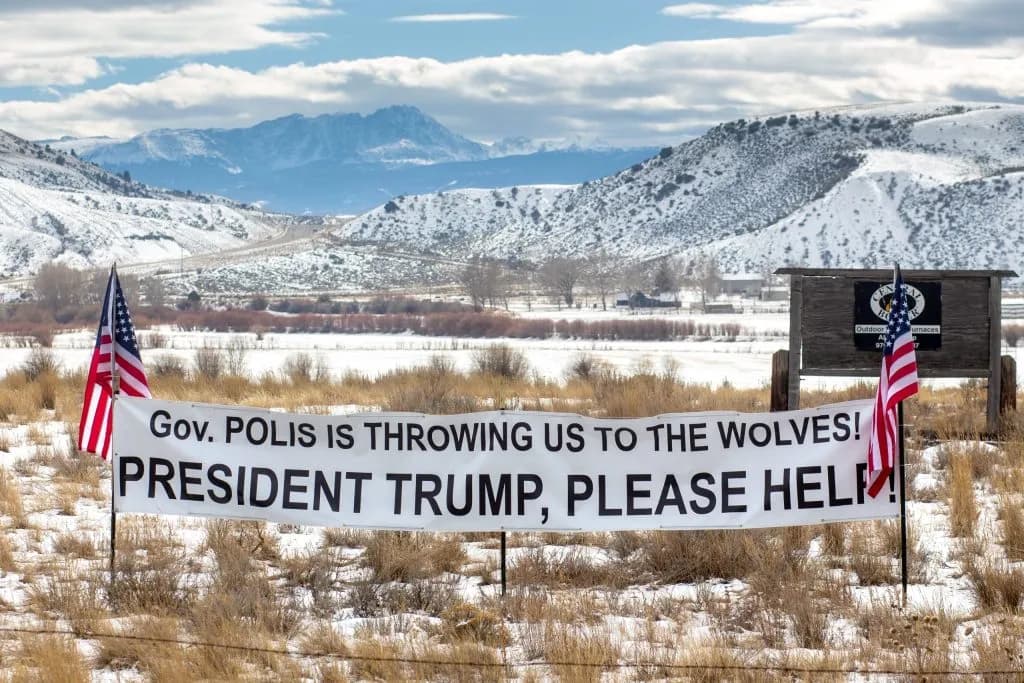
Steamboat Springs —"Make no mistake," the order states. It is a 15-day clock. It is ticking.
The federal government has pulled the rug out from under Colorado’s feet. The U.S. Department of the Interior has initiated a formal review of the state’s authority to manage its own gray wolves. This is not a polite inquiry. It is a direct challenge to the agreement signed in 2023.
The trigger is President Donald Trump’s September 4 executive order, titled “Supporting America’s Ranchers.” That directive told the Interior Department to look for ways to strip federal protections off the wolf. It asked for a delisting or a downlisting under the Endangered Species Act. The goal was simple: give ranchers breathing room.
Interior Secretary Doug Burgum signed his own order on October 27. He called it a move to “cut through bureaucratic red tape.” He promised certainty for producers. But buried in the language is a specific target: Colorado.
Burgum’s order directs the U.S. Fish and Wildlife Service to review the Memorandum of Understanding and the 10(j) rule. These documents gave Colorado the power to restore and conserve the species. Now, the feds are checking the homework.
The review has three jobs. First, check if ranchers are getting paid for dead cattle. Second, verify if Colorado followed the rules. Third, find fixes for the complaints coming from the valley.
Fish and Wildlife must write a report. It needs recommendations. It might change the deal between the Department of the Interior and the state.
Here is the kicker. Did Colorado know?
Luke Perkins is the public information officer for Colorado Parks and Wildlife. He gave a one-word answer: “No.”
The state agency has not been asked to sit at the table. Perkins said they want in. They want to be part of the process. Until they get a seat, they cannot guess the outcome.
Read that again. The state didn’t know.
Context matters. In 2020, voters in Colorado said yes. They mandated a reintroduction. They wanted a self-sustaining pack. They wanted it to start in December 2023. They also demanded compensation for the farmers who lose their herds.
Parks and Wildlife did the work. They released 25 wolves in the first two years. Packs formed. Pups were born. The ecosystem shifted. The compensation program went live.
Now, the feds are asking if it was done right.
The 15-day window is short. It is barely enough time to read the files. It is certainly not enough time to negotiate.
Burgum’s order talks about grazing. It talks about permits. It talks about transparency. All of that is good for the open range. But the wolf clause is the sharp edge.
The executive order from the White House also sent a letter to every state with wolves. It came from the Department of Agriculture. It asked them to look at their own laws. It asked them to see if the state protections were strong enough.
Colorado has its own rules. The state manages the animals. The state pays the bills. The state answers to the voters.
But the federal Endangered Species Act is still on the books. The wolf is still listed. The 10(j) rule is the bridge. It allows the state to act while the federal list stays intact.
If the review finds a problem, the bridge breaks.
Perkins said the agency cannot speculate. He is careful. He knows the stakes. He knows the politics.
The ranchers are waiting. The wolves are running. The clock is counting down.
The review is meant to ensure compliance. It is meant to ensure fairness. It is meant to ensure the program works.
If it works, the deal stands. If it fails, the deal changes.
There is no guarantee. There is no promise. There is only the process.
The 15 days are the only thing that matters right now.
What happens after the deadline? Nobody knows.
The report is due. The recommendations are due. The decision is due.
Until then, the status quo holds. The state manages. The feds watch. The ranchers wait.
The short version: The feds are auditing Colorado’s wolf plan. They have 15 days to finish. The state didn’t know it was happening.
That is the story. The rest is noise.
Keep up with Steamboat Springs
The day's Western Slope news, one email each morning. Free.