Pitkin County Wins Two State Awards for Aspen Nature Plan
Pitkin County received two statewide honors for its updated North Star Nature Preserve plan, which balances Aspen’s growing recreation demand with critical ecological protection.
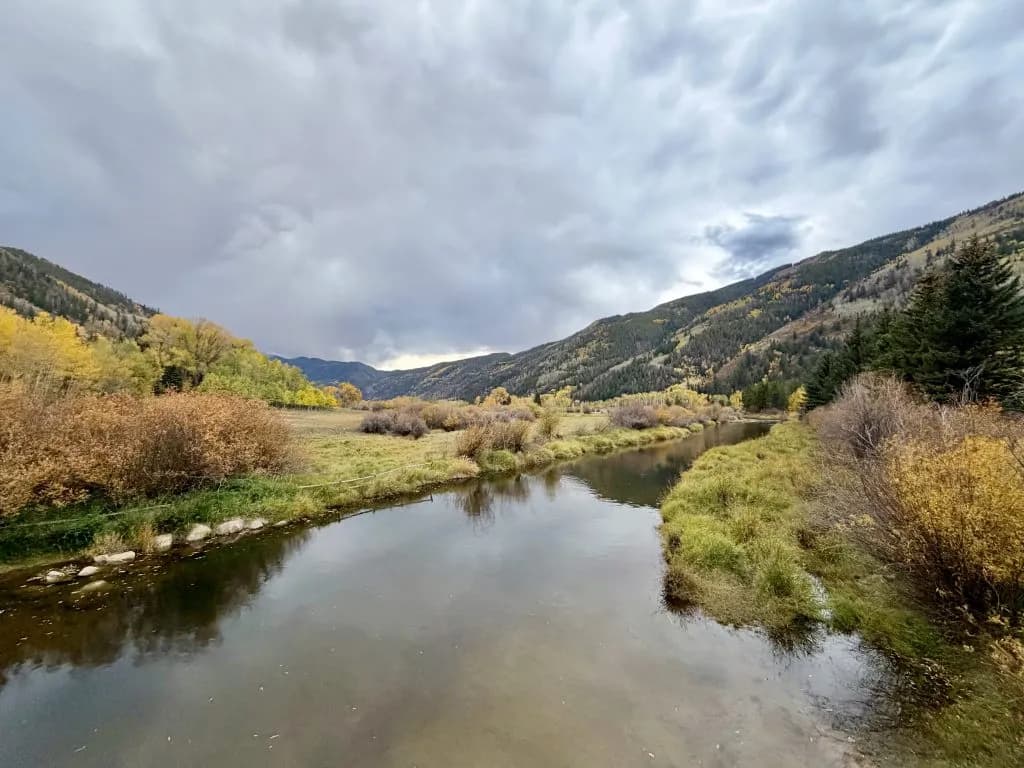
Gunnison —The wind off the Roaring Fork doesn’t care about your hiking boots or your yoga mat. It cuts through the pines with a dry, sharp whistle that strips away the noise of the valley below. On 248 acres just east of Aspen, that wind has been a constant for decades, but the way we listen to it — how we manage the land it sweeps across — has just shifted.
It is easy to look at two statewide awards and see a pat on the back, a bureaucratic victory lap for a county department that did its job. But the recognition given to Pitkin County Open Space and Trails for the updated North Star Nature Preserve Management Plan suggests something more complicated, and perhaps more urgent. The plan wasn’t awarded for being a static document; it was recognized for its ability to hold two opposing forces in tension: the growing, insatiable demand for recreation and the fragile, shrinking reality of ecological integrity.
The Colorado Open Space Alliance handed out its Blue Grama Award for Outstanding Achievement in Ecological Restoration or Recreation Management on Oct. 6, one of only four such awards given annually. Then, on Oct. 29 at the Colorado Planning Conference in Keystone, the Colorado Chapter of the American Planning Association presented Pitkin County with a 2026 Honor Award for Resilience, Sustainability, and Environmental Design.
According to Carly O’Connell, senior planner and landscape architect for Open Space and Trails, the nomination that secured these honors highlighted a specific framework: balancing protection with access. It wasn’t about closing the preserve to keep it pure, nor was it about opening it wide to satisfy every trail runner in town. It was a science-based approach, evaluated by peer organizations against strict criteria.
O’Connell told The Aspen Times that the awards are less about the county’s ego and more about a transfer of knowledge. “For Pitkin County, the awards are an opportunity to share what we have learned at North Star with other communities and land managers across Colorado,” she said. She noted that when staff begin new projects, they look to past award recipients for best practices. Now, North Star joins that list of precedents.
This isn’t the first time this land has been managed with intent. The county originally acquired the parcels in 1978, linking them with the city of Aspen in 2001 to form what is now North Star Nature Preserve. The first management plan came in 1989, and each of the four subsequent updates has wrestled with the same core dilemma: how to preserve high-quality native ecological communities that support biological diversity while still allowing thoughtful public access.
The updated plan, adopted by the Pitkin County Board of Commissioners on March 25, prioritizes ecological resilience while allowing respectful recreation and education in limited areas. O’Connell pointed out that many places are facing similar challenges as recreation grows and environmental conditions change. Her hope is that the plan demonstrates conservation and recreation can be managed together when decisions are grounded in good information, clear priorities, and a willingness to adapt.
There is a warmth to that phrase, “willingness to adapt.” It implies humility. It admits that the land is changing, that the climate is shifting, and that our assumptions about how many people can walk a trail before it erodes or the wildlife is stressed are not set in stone. The plan is a living document, a framework for decision-making rather than a fixed rulebook.
If you look closely at the preserve, you see the result of that balance. The trails are defined, not wandering paths that trample every meadow. The access is intentional, channeling foot traffic to specific points so the deeper quiet of the native communities can remain undisturbed. It is a model that other land managers in Colorado are now looking to, not because the county asked for their attention, but because the peer-reviewed process validated its methodology.
The wind still cuts through the pines on the eastern edge of Aspen. But now, when you stand there and listen to it rustle through the aspen leaves, you are standing in a landscape that has been carefully negotiated between us and the wild. The awards confirm that the negotiation worked, at least for now.
Keep up with Gunnison
The day's Western Slope news, one email each morning. Free.