Federal Colorado River Plan Delayed, Leaving Western Slope Residents in Limbo
The final federal framework for managing Lake Powell and Lake Mead is due this week, but a delayed release leaves Western Slope residents facing uncertainty over future water costs and two-year renegotiation cycles.
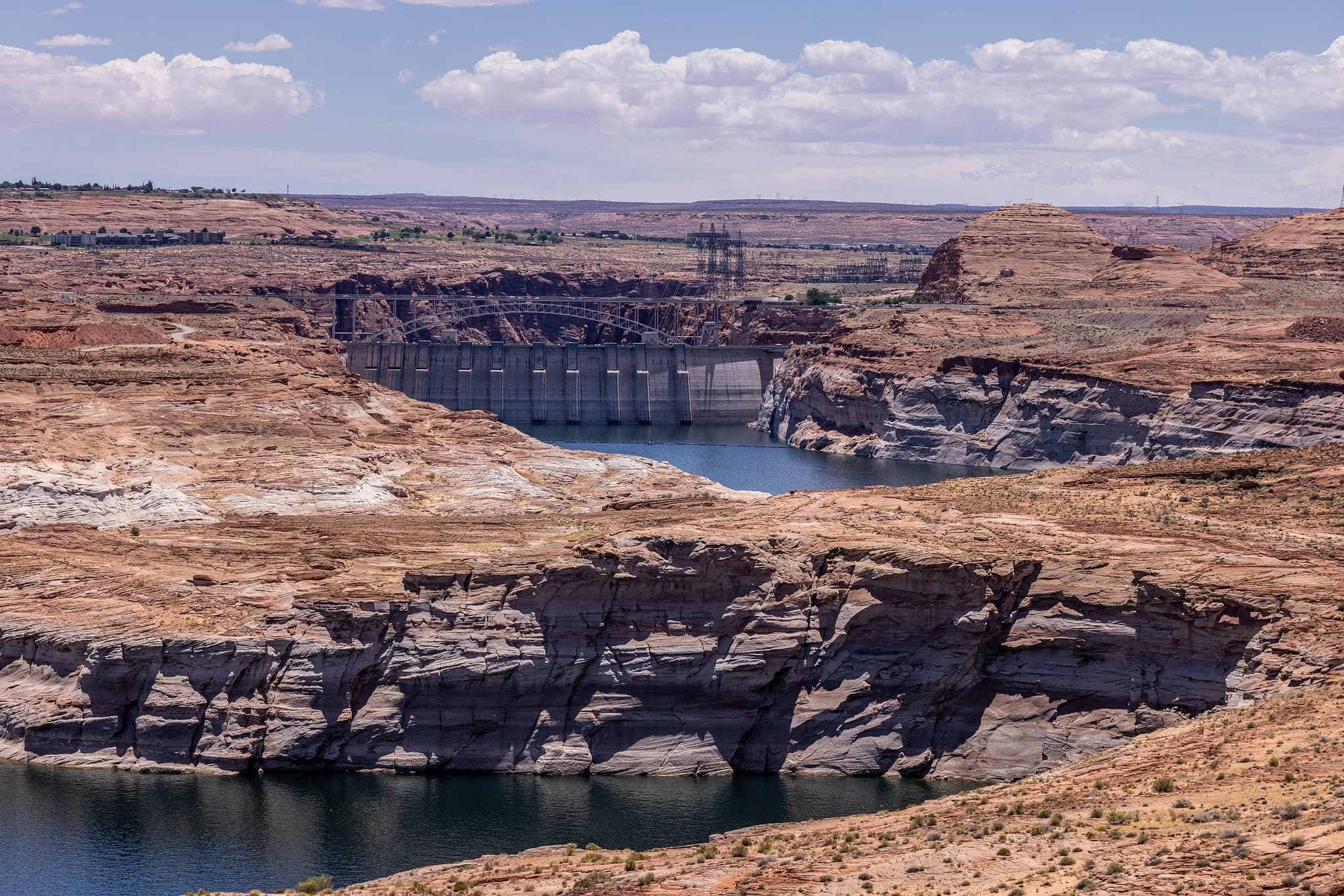
Colorado —Max Wilson sat on the ninth floor of Phoenix’s city water office, watching a federal website that kept crashing. He wasn’t just waiting for a webpage to load. He was watching the future of 40 million people’s water supply.
“Wait with bated breath,” Wilson, the city’s water resources management advisor, told reporters Monday. “We are waiting with federal government to speak.”
The federal plan is due this week. It’s the final piece of an environmental review that outlines how to manage Lake Powell and Lake Mead. These reservoirs hold the West’s water. The current rules expire this fall. If the federal government doesn’t step in, the gridlock continues.
Here is what locals on the Western Slope need to understand about this delay and its costs.
The new plan isn’t a simple fix. It’s a framework for constant negotiation. Under the proposal, water officials will decide how much water to release in two-year intervals. They will renegotiate the plan every two years for the next 10 years.
On paper, this sounds flexible. In practice, it’s expensive and exhausting.
Anne Castle, a former Colorado River official for the Department of the Interior, noted that officials hoped for a longer-term framework. A static rule set is easier to manage than one that changes every 24 months. Constant negotiations take staff, time, and money away from actually adapting to the new rules.
The numbers are specific. The Lower Basin states — Arizona, California, and Nevada — face upper limits on water cuts. They might be asked to cut 3 million acre-feet in some years. One acre-foot equals the annual water use of two to four households. That’s a lot of households losing their share.
Lake Powell’s releases will be limited to a range of 5 million to 12 million acre-feet. This cap matters for hydroelectric power and downstream agriculture. It also dictates how much water flows through the Grand Junction area into the Colorado River.
The process has been gridlocked since 2023. Politics played a role, but challenging water conditions were the real culprit. Without firm consensus from basin states, the federal government built its own plan.
Wilson said he anticipates “bad news and frankly a flawed process.” He doesn’t expect surprises. The content is likely what everyone feared, just packaged in a bureaucratic report that might crash the website hosting it.
For Western Slope residents, this means uncertainty in your property taxes and water bills. The two-year renegotiation cycle means you won’t know your exact water cost for long periods. You’ll be watching the federal website, just like Wilson did, waiting to see if the numbers hold up.
The plan is loose. It’s also expensive. The cost of managing it falls on the taxpayers who fund the agencies doing the negotiating. If the hydrology changes, you pay for the staff to figure it out.
The report is due this week. The website might crash again. But the water will keep flowing, or it won’t, depending on what these officials decide next.
Keep up with Colorado
The day's Western Slope news, one email each morning. Free.

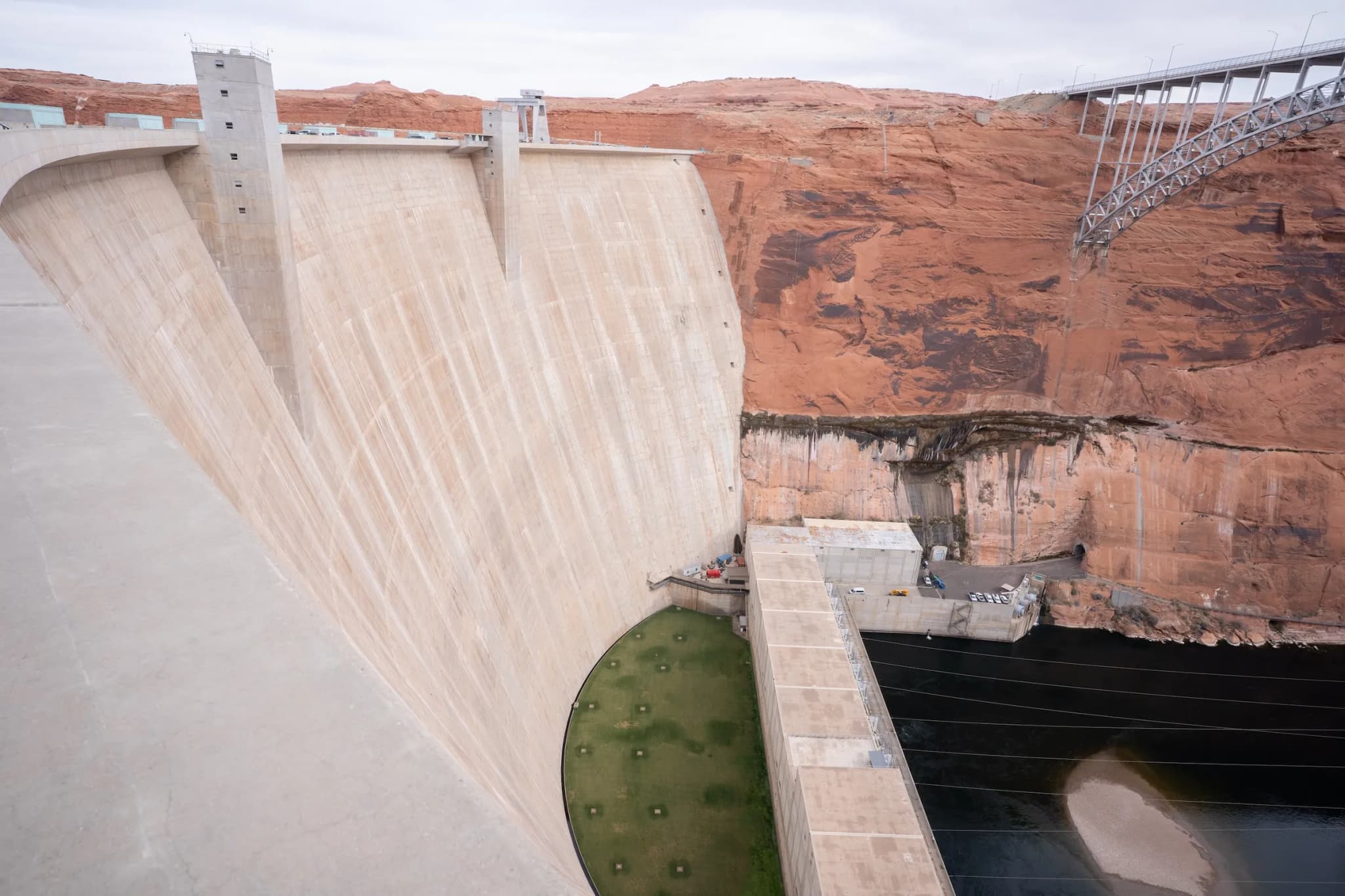
Federal Report Sets 200,000 Acre-Foot Water Conservation Target for Upper Basin
Colorado Parks and Wildlife Deploys Precision Drones for Weed Control