Federal Lawsuit Challenges Denver Assault Weapons Ban
The Trump administration's lawsuit against Denver's assault weapons ban has sparked a heated debate, with implications for local gun laws and the Second Amendment.
Colorado —What does the Trump administration's lawsuit against Denver over its 1989 assault weapons ban mean for folks around here, particularly in the Western Slope? The question is whether this lawsuit will have any impact on local gun laws and regulations. To understand the situation, let's look at the details of the lawsuit and the responses from Denver officials.
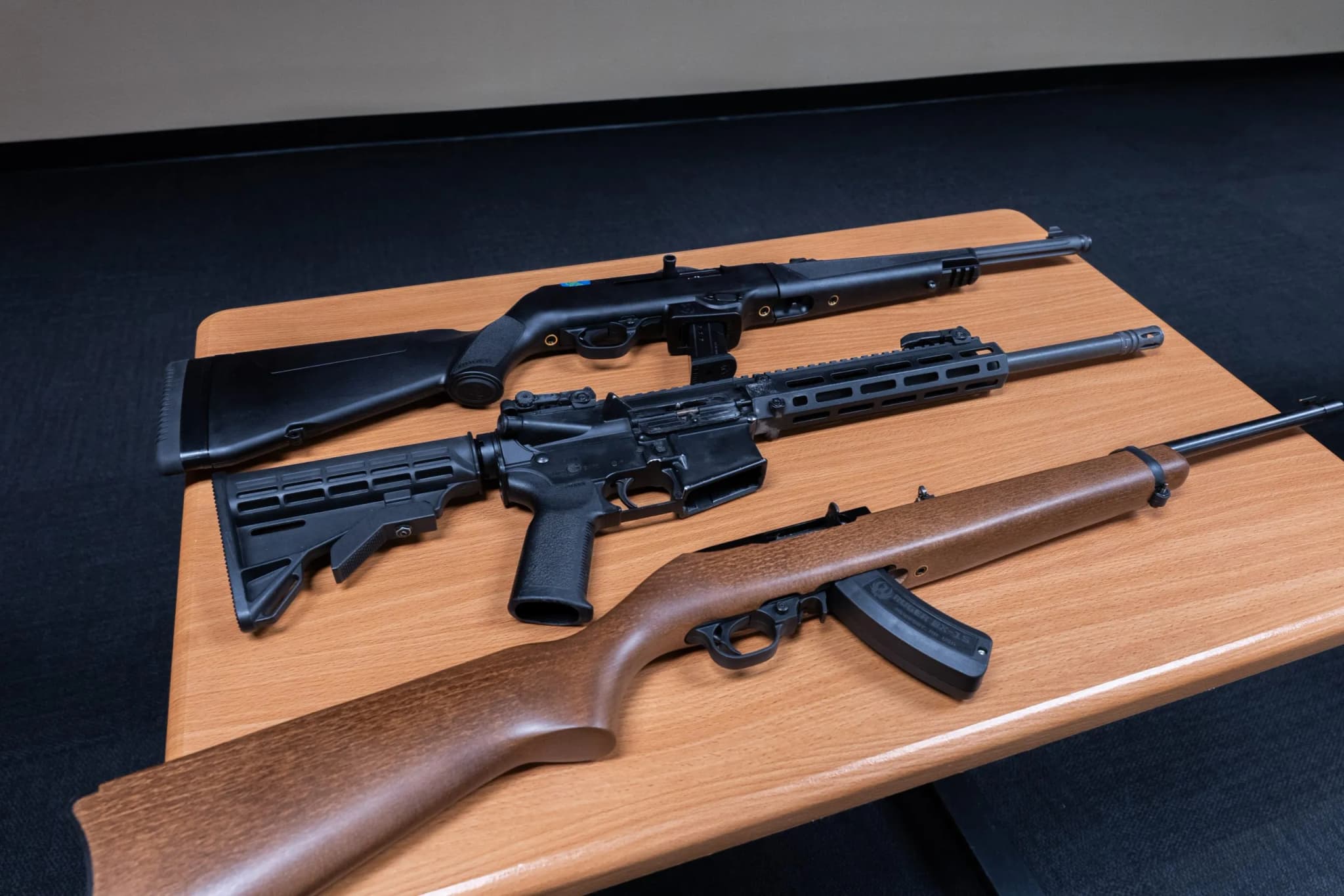
The lawsuit, filed on Tuesday, seeks to strike down Denver's assault weapons ban, which has been in place since 1989. Acting Attorney General Todd Blanche stated, "The Constitution is not a suggestion and the Second Amendment is not a second-class right. Denver's ban on commonly owned semi-automatic rifles directly violates the right to bear arms." This statement suggests that the federal government believes the ban is unconstitutional and infringes upon citizens' Second Amendment rights.
As Denver Mayor Mike Johnston puts it, "Our answer is hell no. No, we will not roll back a common sense policy that has kept weapons of war off of these city streets for 37 years." Johnston's response indicates that Denver is committed to maintaining its ban, despite the lawsuit. The city's police chief also rejected the request to repeal the ban, emphasizing the importance of keeping the community safe.
The numbers back up the city's concerns about gun violence. Denver's ban was enacted during a period of heightened concern over gun violence, which has continued to be a issue in Colorado, with several notorious mass shootings occurring in the state, including the 1999 Columbine High School massacre and the 2012 Aurora movie theater shooting. These incidents have had a profound impact on the community, and it's likely that locals will be watching this lawsuit closely.
The lawsuit also highlights the tension between federal and local authorities on gun control issues. The Department of Justice asked Denver to stop enforcing the ban and enter into negotiations, but the city refused. This refusal suggests that Denver is willing to challenge federal authority on this issue, which could have implications for other cities and states with similar laws.
The outcome of this lawsuit is uncertain, and the community will be watching to see how it affects their own gun laws and regulations. As the case moves forward, it will be important to consider the potential consequences for local communities, including those on the Western Slope. The community will likely be watching to see how this lawsuit affects their own gun laws and regulations.
As Mayor Johnston said, "No, we will not put first responders at greater risk every time they respond to a dangerous incident. No, we will not go back to a time when folks are worried about walking into movie theaters or grocery stores or public elementary schools." This statement emphasizes the city's commitment to keeping its citizens safe, and it's likely that locals will be paying close attention to the outcome of this lawsuit.
The lawsuit against Denver's assault weapons ban is a complex issue with significant implications for gun control and the Second Amendment. As the case progresses, it will be important to consider the potential consequences for local communities, including those on the Western Slope. For now, it's clear that this lawsuit has sparked a heated debate, and the outcome will be closely watched by folks around here. Acting Attorney General Todd Blanche said, "The Constitution is not a suggestion and the Second Amendment is not a second-class right," which highlights the core issue of the lawsuit, and it will be interesting to see how the case unfolds.
Keep up with Colorado
The day's Western Slope news, one email each morning. Free.
Federal Report Sets 200,000 Acre-Foot Water Conservation Target for Upper Basin
Colorado Parks and Wildlife Deploys Precision Drones for Weed Control