Former BLM Head Warns Against Dismantling US Forest Service
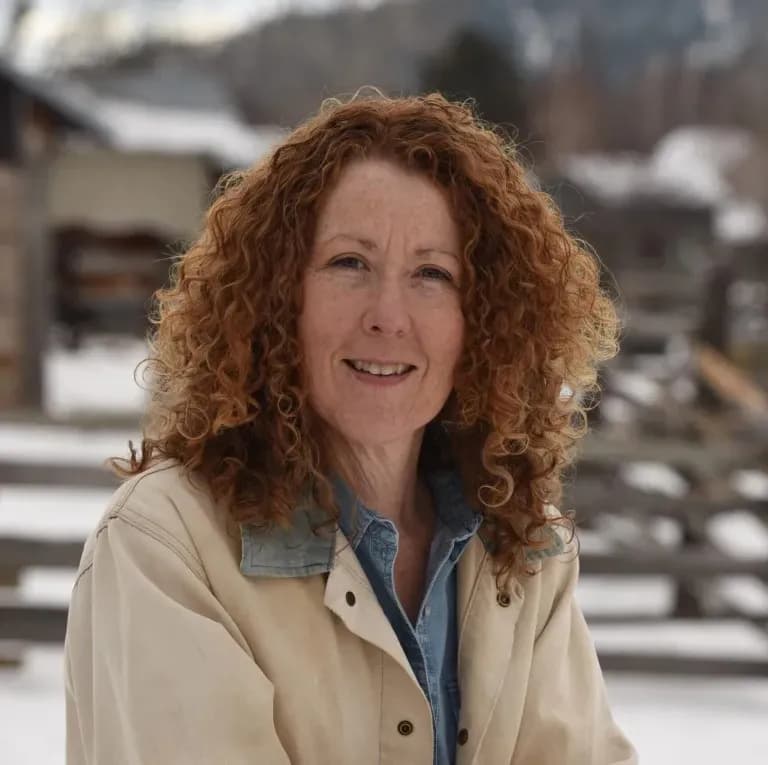
Tracy Stone-Manning, former head of the BLM, speaks out against the proposal to dismantle the US Forest Service, warning of dire consequences for public lands, wildlife, and communities.
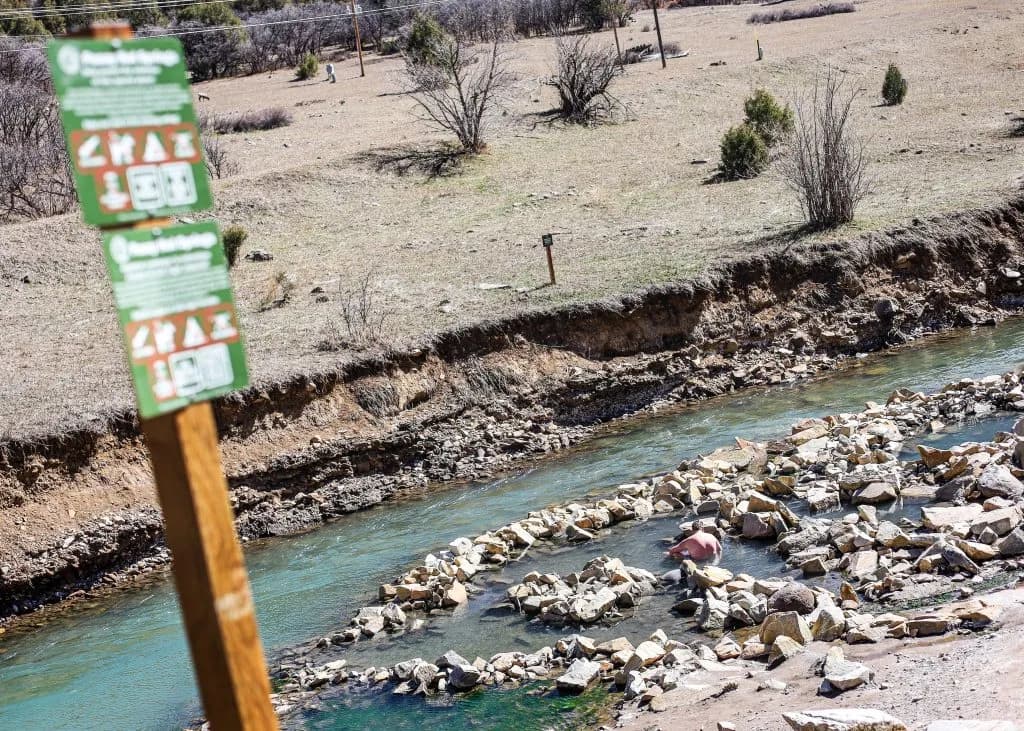
Aspen —The sun rises over the White River National Forest, casting a warm glow over the aspen trees and the winding trails that crisscross this vast expanse of public land. A sign, weathered to a soft gray, greets travelers on the edge of the forest, a reminder of the natural beauty that lies within. The sound of birds chirping and leaves rustling in the gentle morning breeze fills the air, a serene backdrop to the chaos that's brewing in the halls of power.
As Tracy Stone-Manning, the former head of the Bureau of Land Management, can attest, dismantling the U.S. Forest Service is a recipe for disaster. When she led the BLM under President Biden, she saw firsthand the devastating impact of scattering the agency's headquarters from the nation's capital. The move, she says, was designed to cripple the agency, and it did just that. Now, she's warning that the same fate awaits the Forest Service, and the consequences will be dire for public lands, wildlife, and the communities that rely on them.
The numbers are stark: in 2020, almost 90% of BLM employees ordered to move west chose not to, forcing them out the door and taking their years of wisdom and knowledge with them. The Forest Service plan goes even further, aiming to close regional offices and shutter dozens of research centers, just as the country is bracing for what could be a horrific wildfire season. It's a move that will not only harm the environment but also decimate the agency's ability to respond to emergencies and manage the lands in its care.
The Forest Service and the BLM combined manage 20% of the country's lands and waters, a staggering proportion that underscores the importance of these agencies. For Westerners, these public lands are more than just a resource to be exploited; they're a deep part of their identity, a place where they can camp, hike, hunt, and connect with nature. And that's why the decision to relocate the Forest Service headquarters is so misguided. As Stone-Manning notes, there's a reason the headquarters are based in Washington, D.C.: it's where the nation's leaders work, and it's where the relationships with Congress are forged, where budgets are made.
The claim that this change is about bringing leadership closer to the work is, as Stone-Manning puts it, a political talking point, and it's false. The real point, she argues, is to create chaos, disrupt the agency's operations, and imperil the very existence of public lands. It's a strategy that's been used before, with devastating consequences. The dismantling of government agencies last year, she says, was a cruel and deliberate attempt to traumatize employees and undermine the agencies' missions.
Over the course of the last year, the Forest Service has already forced or coerced roughly a quarter of its employees to leave, a staggering loss of talent and expertise. And with this latest round of changes, thousands more will be reassigned and ordered to move, a move that will likely prompt them to leave their positions rather than uproot their families. The agency could soon be left with roughly half its former ranks, a devastating blow to its ability to manage the lands in its care.
As the sun rises higher in the sky, casting a golden glow over the White River National Forest, it's clear that the stakes are high. The proposal to dismantle the Forest Service poses a significant threat to the very fabric of our public lands, and the communities that rely on them. And as Stone-Manning warns, it's a move that will have far-reaching consequences, not just for the environment, but for the people who call these lands home. The sound of the wind rustling through the trees seems to carry a sense of unease, a feeling that the natural beauty of this place is under threat, and that the future of our public lands hangs in the balance.
Keep up with Aspen
The day's Western Slope news, one email each morning. Free.