Front Range Rail Project Faces Changes and Funding Challenges
The Front Range passenger rail system faces changes to its district boundaries and funding challenges as it seeks a sales tax increase to support its $2.5 billion project.
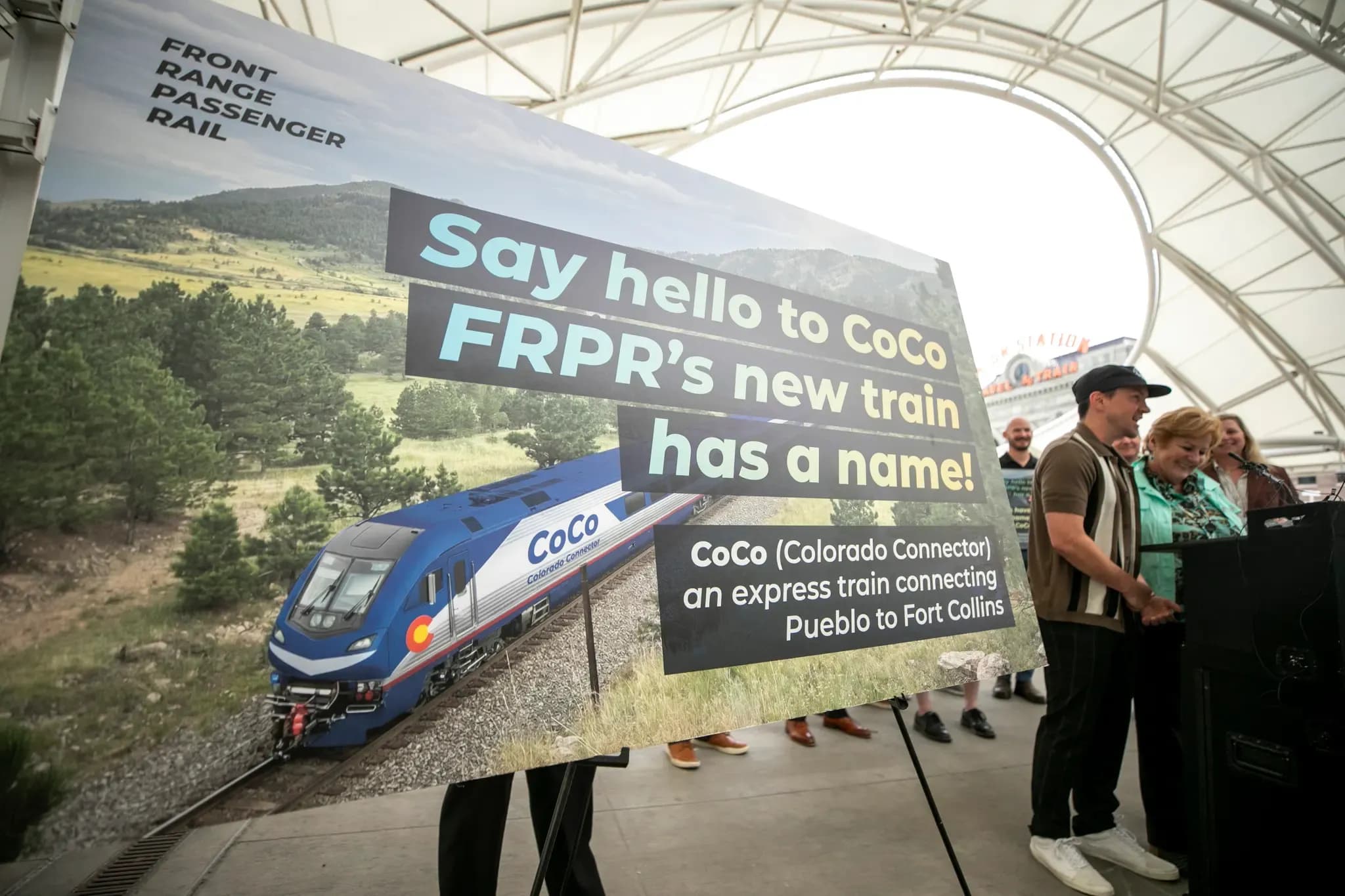
Colorado —$2.5 billion. That's the estimated cost of the Front Range passenger rail system, a project that's been in the works since 2021. But as the special tax district created to fund this project prepares to ask residents for a sales tax increase in November, it's clear that not everyone will be on board - literally. A new bill introduced at the Capitol, Senate Bill 172, would dramatically scale back the district's boundaries to focus on urban centers like Denver, Boulder, and Colorado Springs.
For context, the current district stretches along I-25 from the Wyoming border to the New Mexico border, covering a wide swath of territory. But under the proposed changes, more conservative areas like Castle Rock, Lone Tree, and Greeley would be cut out of the district. This move would likely improve the chances of passing a sales tax increase, given the more Democratic-leaning electorate in the remaining areas. However, Sal Pace, general manager of the passenger rail district, claims that this wasn't the primary motivation behind the changes.
Let's do the math. The district is anticipating a sales tax increase of up to 0.5% to fund the project. That's 5 cents on every $10 spent. It's a significant ask, especially for areas that may not see direct benefits from the rail system. On paper, the new district boundaries may make it easier to pass the sales tax increase, but in practice, the impact on local communities will be significant.
The proposed changes would limit the district to specific cities, including Arvada, Boulder, and Denver. Notably, this would exclude many unincorporated areas and more rural communities. This shift in focus towards the urban core, where the demand for public transportation is likely higher, may alienate some of the original supporters of the project.
As the district moves forward with its plans, the potential impact on local communities must be considered. For folks around here, the question is not just about the rail system itself, but about who will be shouldering the cost. The estimated $2.5 billion price tag is a significant burden, and understanding how the sales tax increase will affect local businesses and residents is vital.
In the end, the success of the passenger rail system will depend on its ability to balance the needs of different communities. While the proposed changes may improve the chances of passing the sales tax increase, they also raise important questions about equity and access. As the district prepares to ask residents for their support, an open and honest conversation about the potential benefits and drawbacks of this project is necessary.
The practical bottom line is that this project will cost taxpayers, and the impact will be felt differently depending on where you live. If the sales tax increase is approved, it will add 5 cents to every $10 spent in the affected areas. That may not seem like a lot, but it can add up quickly, especially for low-income families and small businesses. The financial burden and benefits of this project will need to be shared equitably for the community to support it.
Keep up with Colorado
The day's Western Slope news, one email each morning. Free.


Federal Report Sets 200,000 Acre-Foot Water Conservation Target for Upper Basin
Colorado Parks and Wildlife Deploys Precision Drones for Weed Control