Garfield County Drops to Stage 1 Fire Restrictions Friday
Garfield County drops to Stage 1 fire restrictions at 1 a.m. Friday after recent rain reduced danger, allowing permanent grates but banning temporary pans and undeveloped area fires.
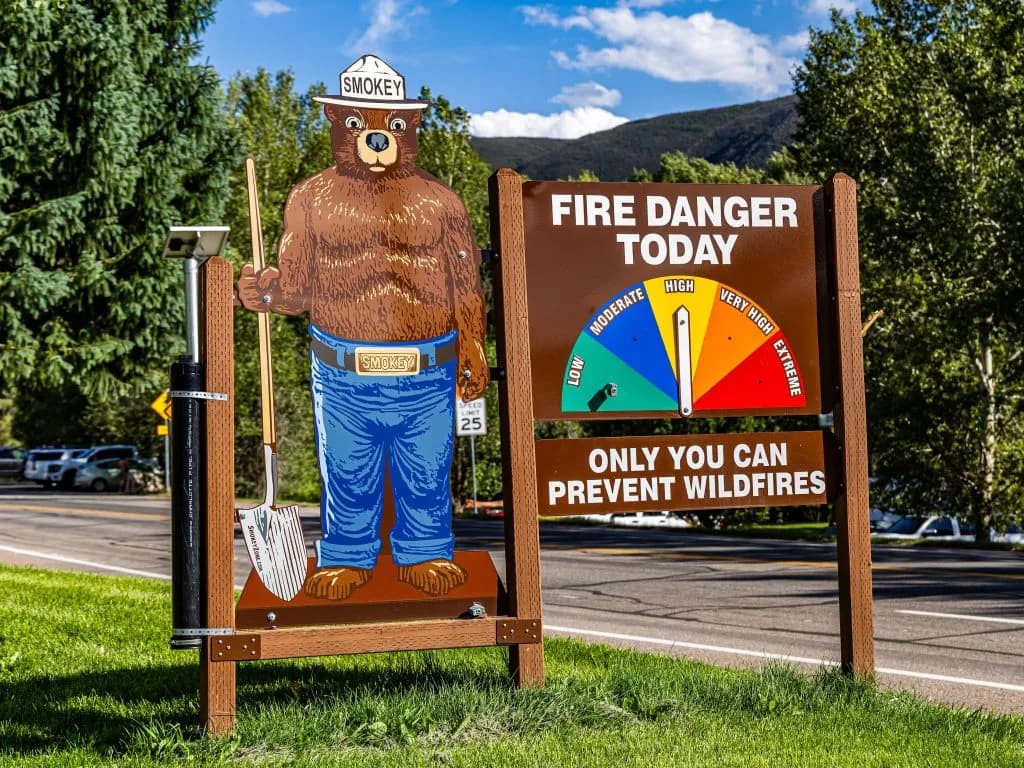
Glenwood Springs —Garfield County drops to Stage 1 fire restrictions at 1 a.m. Friday.
That’s a shift from the stricter Stage 2 rules that have been in place since June 26. More than two months under those tighter conditions. Now, a little breathing room. But not a full release.
Rain did the heavy lifting. Significant rainfall soaked the ground, cutting down the chance a spark turns into a blaze. The soil holds moisture. The grass doesn’t ignite as fast. Officials see that. They act on it.
Brian Glaspell, White River National Forest Supervisor, put it plainly. “Recent moisture has reduced fire danger, but it is important to remain vigilant as we head into the holiday weekend with continued high visitation,” he said. He added a direct instruction. “In the sites where fires are permitted, please be sure your fire is out and cold before leaving it unattended.”
The change is real, but the scope is narrow. Under Stage 2, all fires were banned. No exceptions. Campfires, grates, pans — everything was off-limits. Stage 1 loosens that knot. Fires in permanent fire grates at developed recreation sites are now allowed. That’s the key distinction. Developed sites. Permanent grates. Not just any patch of dirt.
Everything else stays locked down. Fires in undeveloped areas remain prohibited. Temporary fire pans? Still banned. Rock campfire rings? Still out. Burn permits stay postponed or cancelled. Explosives, tracer ammunition, and other incendiary loads are still off-limits. Smoking is restricted to designated areas, enclosed vehicles, buildings, or developed zones free of combustible materials.
The definition of “developed” matters here. It’s not just about city limits. A rural property counts if it’s groomed, manicured, or watered. Grasses, brush, and trees must be regularly maintained by the owner. Residential areas, business zones, improved recreation areas, parks, and maintained common spaces all fall under this umbrella. Undeveloped land is the opposite. Vegetation grows naturally. No regular maintenance. These areas present a higher wildland fire hazard.
The decision wasn’t made in a vacuum. It was a coordinated move. The Garfield County Sheriff’s Office, the Bureau of Land Management, the U.S. Forest Service, and the seven fire districts in Garfield County all weighed in. The county called it a shift following “careful consideration.”
Context helps explain why the bar was so high to begin with. Extreme drought has pushed fire risk up across Colorado. Even with the recent rain, the danger hasn’t vanished. It’s lower than it was in previous weeks, according to the county. But it’s still there.
The past few months proved that. Since Stage 2 started, two major fires forced people out. The Battlement Trail Fire in Battlement Mesa. The 602-acre 310 Fire near Parachute. Both prompted evacuations. Smaller fires popped up too. Spot fires. Remote blazes. All of them got contained. The restrictions held the line.
Now the line moves. The stage changes. The rules adjust. The county steps back slightly. The pressure eases. The rain helped. The officials listened. The shift is official.
Stage 1 begins Friday at 1 a.m.
Keep up with Glenwood Springs
The day's Western Slope news, one email each morning. Free.

Glenwood Volunteers Chase 911 Kits for Pediatric Patients
Glenwood Springs Debate Flares Over Hunter's $139.50 Wolf Fine