Garfield County Uses Soil Sensors to Predict Wildfire Risk
Garfield County and the Middle Colorado Watershed Council are deploying soil moisture sensors to predict wildfire locations, moving beyond traditional methods to protect communities from megafires.
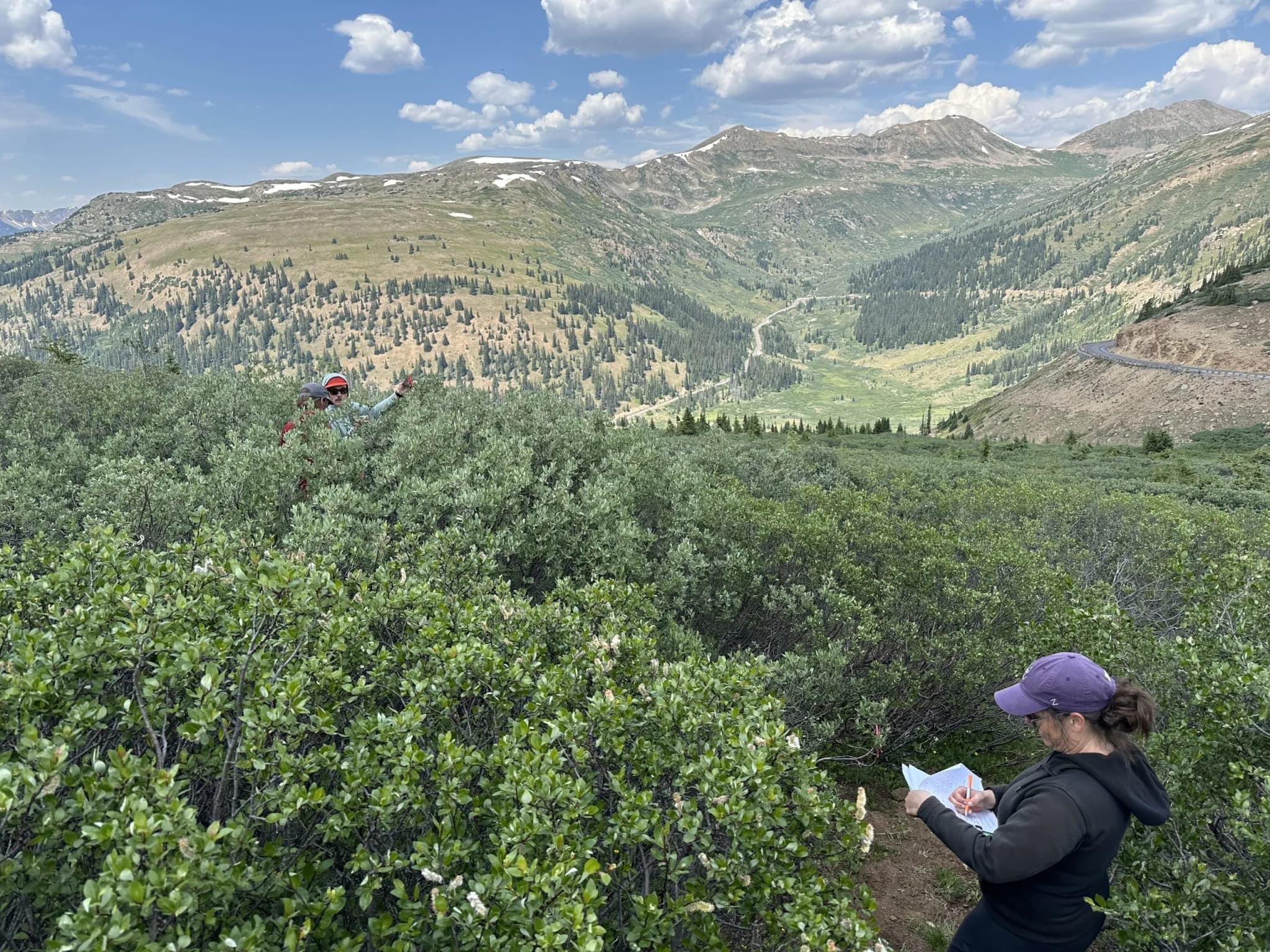
Colorado —A single sensor buried three feet beneath the pine needles in the Roaring Fork Valley is doing more heavy lifting for public safety than a dozen fire trucks sitting in a station. It’s quiet work. No sirens, no flashing lights. Just a steady stream of data about how wet the dirt is, transmitted hourly to scientists who are trying to figure out why the mountains keep burning.
The premise is simple, even if the technology isn’t: soil moisture is the best predictor of where the next big fire will start. Not wind. Not temperature. Not the health of the trees themselves. The ground beneath the roots.
For decades, we’ve looked up at the canopy to assess fire risk. We’re starting to look down.
This isn’t theoretical anymore. It’s happening right now in Garfield County. The Middle Colorado Watershed Council is already using this data to gauge wildfire risk for local mountain communities. They aren’t waiting for a grant to install a new network; they’re using available satellite data to track drying trends and overall watershed health. It’s a pragmatic approach. They know the land. They know the risk. And they’re using the best tool available to manage it.
Stephanie Kampf, a professor of ecosystem science and sustainability at Colorado State University, puts it bluntly: “It doesn’t look like a lot on the surface.” The sensors are buried. They’re invisible. But they’re collecting critical information from different depths across the West.
The network is growing. In Colorado’s Roaring Fork Valley, ten remote soil moisture sensors are already transmitting data. In northern Idaho and western Montana, the U.S. Forest Service is retrofitting existing remote weather stations with soil moisture monitors. They’re expanding the federal observational capacity where it matters most. In Oklahoma, the Mesonet network — managed by the University of Oklahoma, Oklahoma State University, and the Oklahoma Climatological Survey — has 120 monitoring sites collecting data every 30 minutes. It’s one of the densest networks in the world.
Why does this matter to you? Because the West is in an era of megafires. Decades of fire suppression have created a fire deficit. The fuel is there. The climate is changing. The result is more severe, more destructive burns.
Zachary Holden, a research ecologist for the U.S. Forest Service, notes there is “growing acknowledgment in fire science that soil moisture is really important.” His 2025 research study identified soil moisture as a strong predictor for wildfire location and severity.
Let’s do the math on what this means for local infrastructure. If we can predict where fires will ignite with higher precision, we can deploy resources more efficiently. We can close roads earlier. We can evacuate neighborhoods before the wind shifts. We can save millions in suppression costs.
But there’s a catch. The technology is only as good as the data. And right now, that data is scattered. Some areas have dense networks. Others have nothing. If your town is in a blind spot, you’re still flying blind.
The goal is to turn this data into actionable intelligence. Not just for scientists, but for emergency managers, for local governments, for you. If the soil is dry, the risk is high. If the soil is wet, the risk drops. It’s that simple. But it’s not that easy to implement at scale.
The Middle Colorado Watershed Council is leading by example. They’re using the data to understand wildfire risk for their specific communities. They’re not waiting for a federal mandate. They’re acting.
This is the future of fire prediction. It’s not about looking at the sky. It’s about looking at the ground. And for the folks living in the shadow of the Rockies, that’s a difference worth paying attention to.
Keep up with Colorado
The day's Western Slope news, one email each morning. Free.

Aspen Housing Authority Seeks $590K Office Upgrade Amid Cramped Conditions

Vail Secures Water Rights for 37-Unit Montelisse Condo Project
Moffat County Commissioners Weigh Data Center Moratorium Amid Transparency Claims
Federal Report Sets 200,000 Acre-Foot Water Conservation Target for Upper Basin
Colorado Parks and Wildlife Deploys Precision Drones for Weed Control