Glenwood Springs Approves $2.4 Million Axon Contract
Glenwood Springs City Council unanimously approves a $2.4 million, ten-year bundled Axon contract to replace Motorola cameras and integrate drones and AI reporting tools.
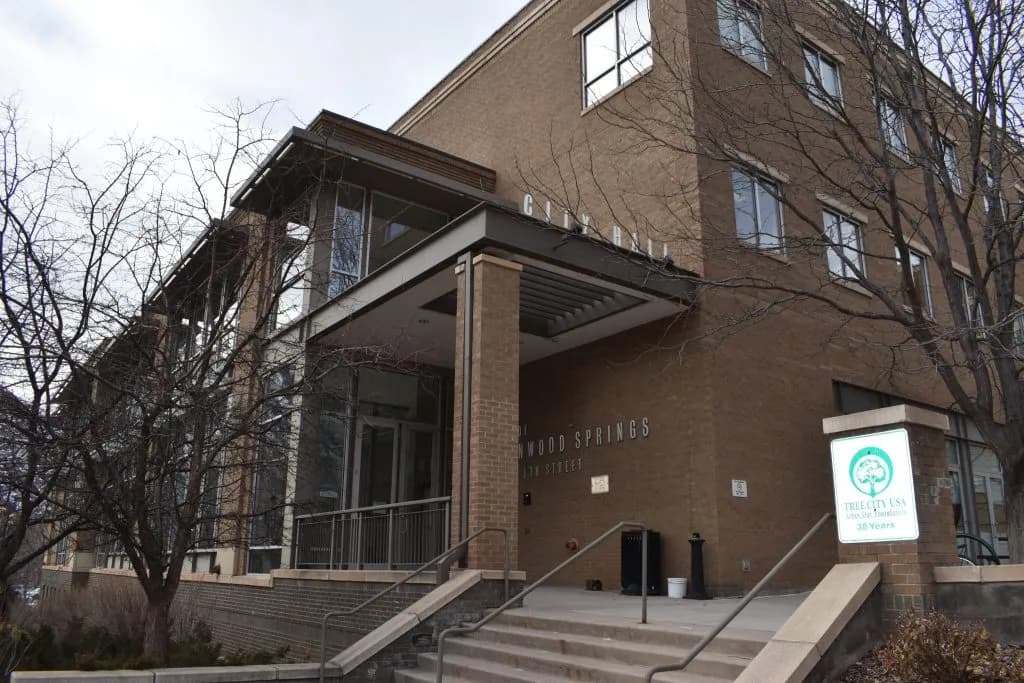
Glenwood Springs —A $2.4 million contract. Ten years. One single vendor.
Glenwood Springs City Council voted 7-0 Thursday to lock in a bundled Axon public safety technology package, effectively replacing the Motorola dash and body cameras currently used by the police department and phasing out the existing Flock Safety camera system. The move consolidates body-worn cameras, Taser 10 devices, holster activation sensors, live translation services, video redaction assistance, a virtual reality training platform, a drone first responder program, Axon’s Draft One AI report-writing tool, and Outpost automatic license plate reader cameras into a single administrative bucket.
City officials are selling this as a fiscal win. Chief of Public Safety Joseph Deras presented the proposal as a cost-saving measure, projecting annual savings between $100,000 and $150,000. Let’s do the math on that claim. If the city saves $150,000 annually over the life of the contract, the total value proposition rises to roughly $3.7 million. That’s a significant premium over the base $2.4 million price tag, but only if those savings materialize exactly as projected every single year.
The decision wasn’t immediate. Council delayed the vote from the May 21 meeting to allow for public comment during the evening session. The result was a unanimous approval, but not without scrutiny. City Attorney Karl Hanlon weighed in, and the community raised specific concerns about the AI component.
Chief Deras argued that the technology improves response times and reduces the administrative drag of report writing. He pointed to specific local incidents to justify the drone integration. A stolen vehicle. Fires in Glenwood Canyon. A serious bicycle crash near Hanging Lake. A stabbing on the bike trail. Calls involving transient camps. In these scenarios, Deras said, drones provide immediate situational awareness. They don’t patrol aimlessly; they deploy to specific calls for service. The data — flight records, video, location logs — stays internal but is available for public records requests.
The department already has FAA-certified drone pilots in both police and fire. More staff will likely be trained as the program expands. The goal is speed and precision.
Privacy remains the friction point. The contract includes Axon’s Draft One AI tool for writing police reports. One member of the public questioned how much human oversight actually goes into AI-generated documentation. The city says it has answered community concerns and acted fiscally responsibly. On paper, that sounds definitive. In practice, it means taxpayers are committing to a proprietary ecosystem for the next decade.
The shift away from Motorola and Flock Safety isn’t just a hardware swap. It’s a data infrastructure overhaul. The bundled system gives the city more control over law enforcement data, according to officials. That control comes with the cost of vendor lock-in. You’re not just buying cameras; you’re buying into Axon’s software architecture for ten years.
For the average Glenwood resident, the immediate impact is visibility. More drones on specific calls means faster initial assessments for incidents like the Hanging Lake crash or the bike trail stabbing. The administrative efficiency claims suggest officers might spend less time on paperwork, potentially freeing them up for patrol. But the $2.4 million outlay is real. It’s a substantial chunk of the public safety budget allocated to a single technology provider, betting that the projected $100,000 to $150,000 annual savings will cover the initial premium and then some.
The council voted. The contract is signed. The Motorola cameras are next to go.
Keep up with Glenwood Springs
The day's Western Slope news, one email each morning. Free.
BLM Clears 113 Roan Plateau Parcels for December 2026 Oil and Gas Lease Sale

Southern Colorado Releases 2,500 Acre-Feet to Save Drying Arkansas River
UA Professor Jessica Tierney Uses Ice Cores to Explain Deep Time Climate Change

Rifle Ute Theater Hosts Tech-Deth Metal Night and Community Open Houses

Alliance Defending Freedom Demands Roaring Fork Schools Drop 3Rs Curriculum