Gov. Jared Polis Fills CPW Commission With Local Experts
Gov. Jared Polis replaces rejected CPW nominees with local experts like Dr. Peter Maguire and Rebecca Niemiec, signaling a shift toward stable, technical wildlife management for Colorado.

Aspen —Gov. Jared Polis didn’t just fix his broken CPW Commission nominations; he fixed them with a specific kind of political triage that should tell locals exactly what kind of leadership they’re getting.
Three new appointees. Two replacements for senators who rejected them. One seat filled by a guy who just happens to be a neighbor.
The obvious take is that Polis is restoring order after the Senate Agriculture and Natural Resources Committee torpedoed his previous picks, John Emerick and Chris Sichko. The Senate said Emerick was too activist-heavy for an at-large seat and Sichko didn’t hunt big game. Polis’s response? He’s doubling down on the same factions but swapping in people who fit the narrative better.
Let’s look at the numbers. The commission has 11 voting members. Polis appointed three new faces: Dr. Peter Maguire, Rebecca Niemiec, and Johnny Le Coq. He also reappointed Gabriel Otero and Richard Reading. That’s five people total making decisions on how we manage elk, deer, and trout across the state.
On paper, this looks like a compromise. In practice, it’s a masterclass in checking boxes.
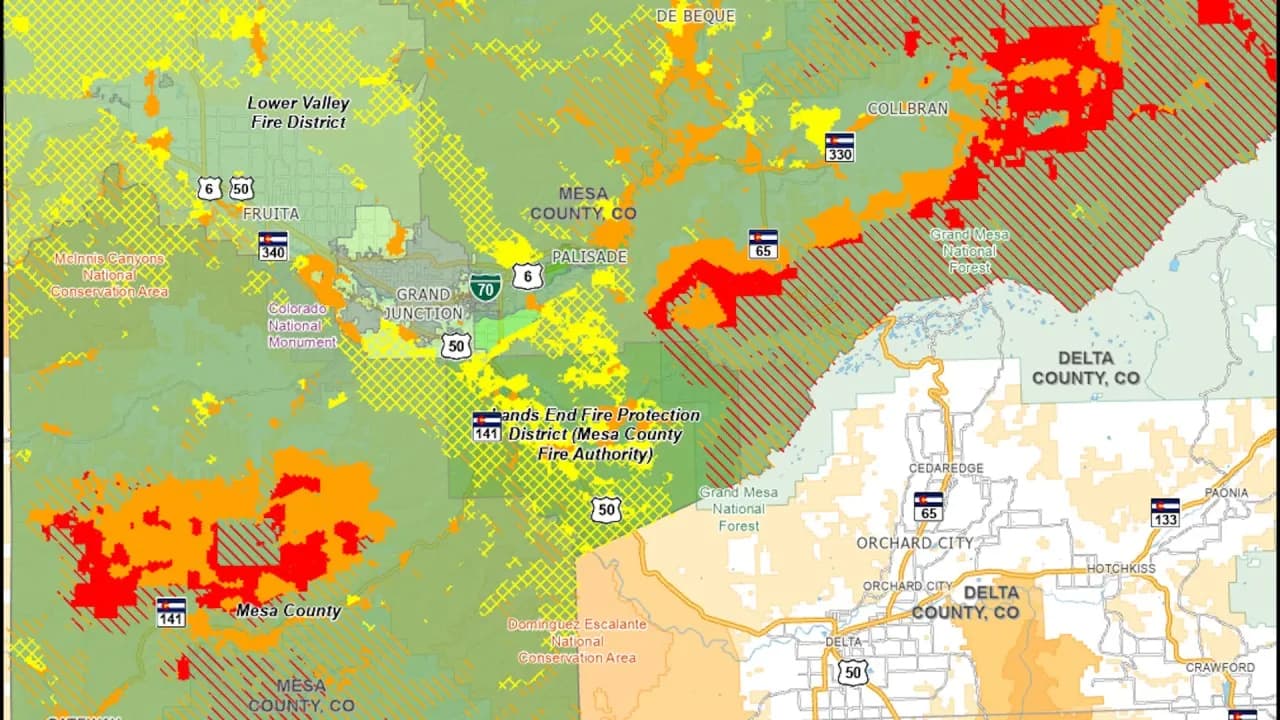
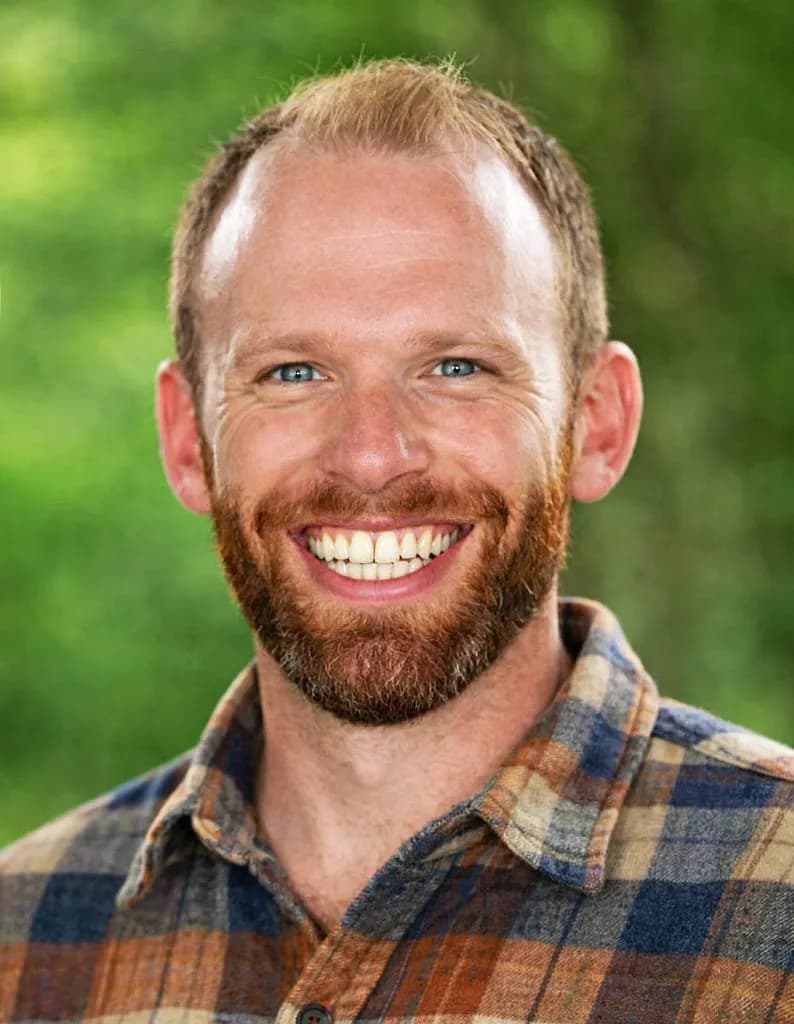
Take Dr. Peter Maguire. The governor’s office describes him as a "veterinary neurologist in Grand Junction." That’s not just a title. That’s a direct pipeline to the Western Slope community. Maguire founded SpecialtyVetCare, providing "advanced neurological and neurosurgical referral services across Western Colorado." He’s not some distant bureaucrat in Denver. He’s a local doctor who holds hunting and fishing licenses "for many years" and prefers elk hunting.
The Senate rejected Emerick because his activism skewed the board toward "anti-hunting, extreme wildlife beliefs." They rejected Sichko because he lacked big game experience. Maguire is the antidote. He’s an "active big and small game hunter and angler." He’s a doctor. He’s in Grand Junction. He’s exactly the kind of person the Senate said was missing.
Then there’s Rebecca Niemiec. She’s a tenured associate professor at Colorado State University’s Department of Human Dimensions of Natural Resources in Fort Collins. She’s academic. She’s research-backed. She’s the kind of expert who can translate data into policy without the political baggage of Emerick’s activism.
And Johnny Le Coq? He’s a fly fishing business founder who owns a ranch north of Silverthorne. Silverthorne. That’s Summit County. That’s close enough to the valley for folks to know him. He represents the recreational side of the house, the people who spend their weekends on the water and in the woods.
The state law requires a mix of sportspersons, outfitters, agriculture producers, recreationalists, and public representatives. The previous nominees failed to check those boxes cleanly. Emerick was too activist. Sichko was too narrow. The new trio? They’re clean. They’re professional. They’re geographically distributed.
This isn’t just about filling seats. It’s about who gets to decide the rules for your hunt, your fish, and your land use. When Maguire votes on a regulation, he’s voting as a Grand Junction vet who knows the local terrain. When Le Coq votes, he’s voting as a rancher who understands the cost of doing business in the high country.
The cost to the state? Negligible. These are volunteer positions. The real cost is political capital. Polis spent it to get Emerick and Sichko out of the way and put in people who won’t fight the Senate every step of the way.
For locals, this means the CPW Commission is now staffed by people who are less likely to surprise you with radical policy shifts and more likely to manage the status quo with technical precision. It’s stable. It’s predictable. It’s boring.
And in government, boring is usually what you pay for.
Keep up with Aspen
The day's Western Slope news, one email each morning. Free.