Gov. Jared Polis Signs $5 Wildlife Crossing Fee on Vehicle Registration
Gov. Jared Polis signed Senate Bill 141, creating a voluntary $5 vehicle registration fee to fund wildlife crossings on the Western Slope, aiming to reduce the 7,500 annual animal deaths.
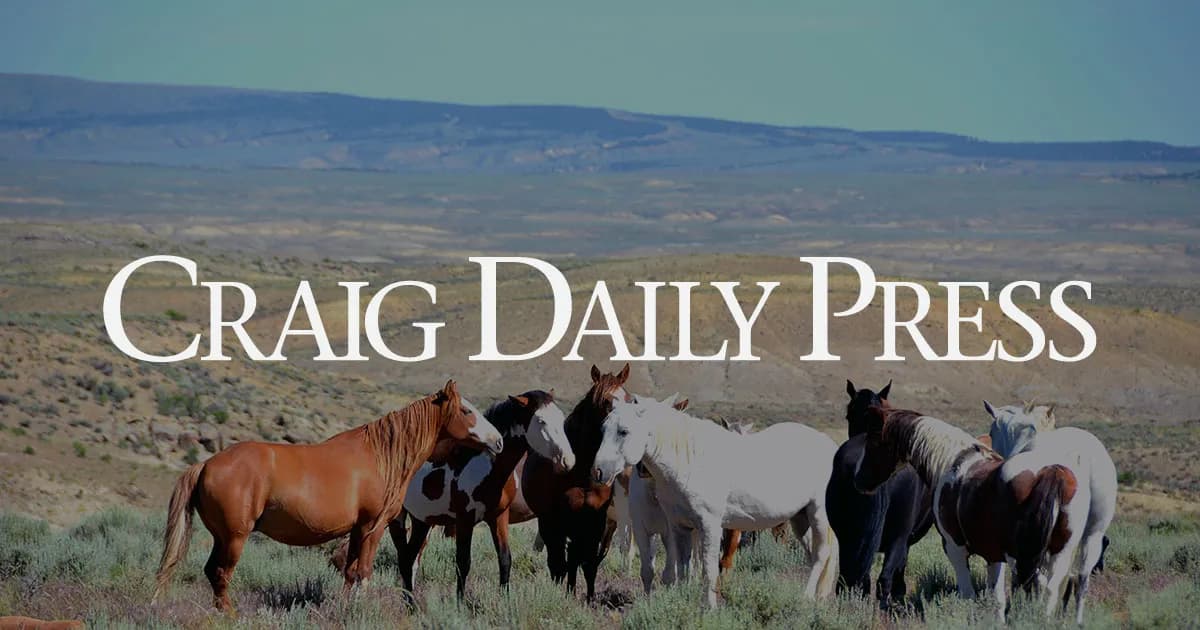
Aspen —At least 7,500 animals were killed on Colorado roadways in 2025. More than two-thirds of those deaths happened on the Western Slope.
That’s the grim tally Gov. Jared Polis used to justify a new $5 optional fee on vehicle registration. Senate Bill 141, signed into law on Wednesday, May 27, in Grand County, creates a dedicated funding stream for wildlife crossings. It’s the first time lawmakers have successfully carved out a voluntary revenue source for overpasses, underpasses, and fencing after a mandatory insurance fee failed last year amid cost-of-living complaints.
The math is straightforward. The Legislative Council Staff estimates the bill will raise more than $3.9 million in the 2027-28 state fiscal year. That projection assumes roughly half of the 1.57 million people who already pay for the Keep Colorado Wild Pass will also tack on this new $5 charge. It goes into effect Oct. 1.
State Sen. Dylan Roberts, D-Frisco, called it a “rare solution.” He cited data showing that when wildlife crossings are built, collisions drop by more than 90%.
“There’s very little that we can do in government that is over 90% effective — but wildlife crossings are that rare solution,” Roberts said. “This infrastructure is proven to reduce collisions with wildlife, protect humans and animals, and save drivers money.”
It’s a bipartisan effort. Prime sponsors included Sens. Cleave Simpson, R-Alamosa, and Rep. Rick Taggart, R-Grand Junction, alongside House Speaker Julie McCluskie, D-Dillon. They’re betting that locals will voluntarily pay a few bucks extra to keep elk off I-70 and moose off Highway 131.
But here’s the catch: it’s optional. If only a fraction of drivers opt in, the $3.9 million target misses. And while the funding mechanism is new, the infrastructure it pays for has been debated for decades. We know where the hotspots are. We know the fences don’t always hold. We just didn’t have a reliable way to pay for the concrete and steel until now.
The bill also tackles bear luring. House Bill 1342 lowers the standard of evidence required to charge someone for luring black bears. It increases the fine from $2,000 to $5,000 after two offenses. It takes effect in August.
Initially, the bill would have shifted the standard of proof from intentional luring to carelessness. District attorneys pushed back on that. The final version requires a person to be found guilty for “knowingly placing the food or edible waste in the open in circumstances where there is a reasonable probability of luring a wild bear.” It’s a specific legal threshold, not a blanket ban on feeding wildlife.
Prime sponsors for that measure were Reps. Meghan Lukens, D-Steamboat Springs, and others.
Let’s look at the cost to the average driver. If you register your car in Colorado, you might see an extra $5 on your tab next fall. It’s not a lot. But it’s a recurring cost. And it’s tied directly to the state’s ability to build more crossings.
The goal is to reduce the 7,500 animal deaths a year. That’s a significant number. A lot of collisions. A lot of traffic backups on the Slope during rush hour. If the crossings work as promised, the savings on vehicle repairs and medical bills could outweigh the $3.9 million collected.
But the bill doesn’t mandate where the money goes. It just creates the pot. Local counties and the state DOT will have to compete for those funds to build the actual structures. That’s the logistical hurdle. The money is there. The infrastructure isn’t.
Roberts is confident. He says it makes our roads safer, especially in rural Colorado. For folks driving home from work on Highway 6 or 145, that’s the pitch. Pay $5. Keep the bears out. Keep the elk off the pavement.
It’s a voluntary tax on your car tag. You can opt out. But if you do, you’re betting against the 90% collision reduction rate.
Keep up with Aspen
The day's Western Slope news, one email each morning. Free.
Steamboat Recommends E-Motorcycle Education to Clarify Rules
BLM Clears 113 Roan Plateau Parcels for December 2026 Oil and Gas Lease Sale