Governor Polis Appoints Professionals to Colorado Parks and Wildlife Commission
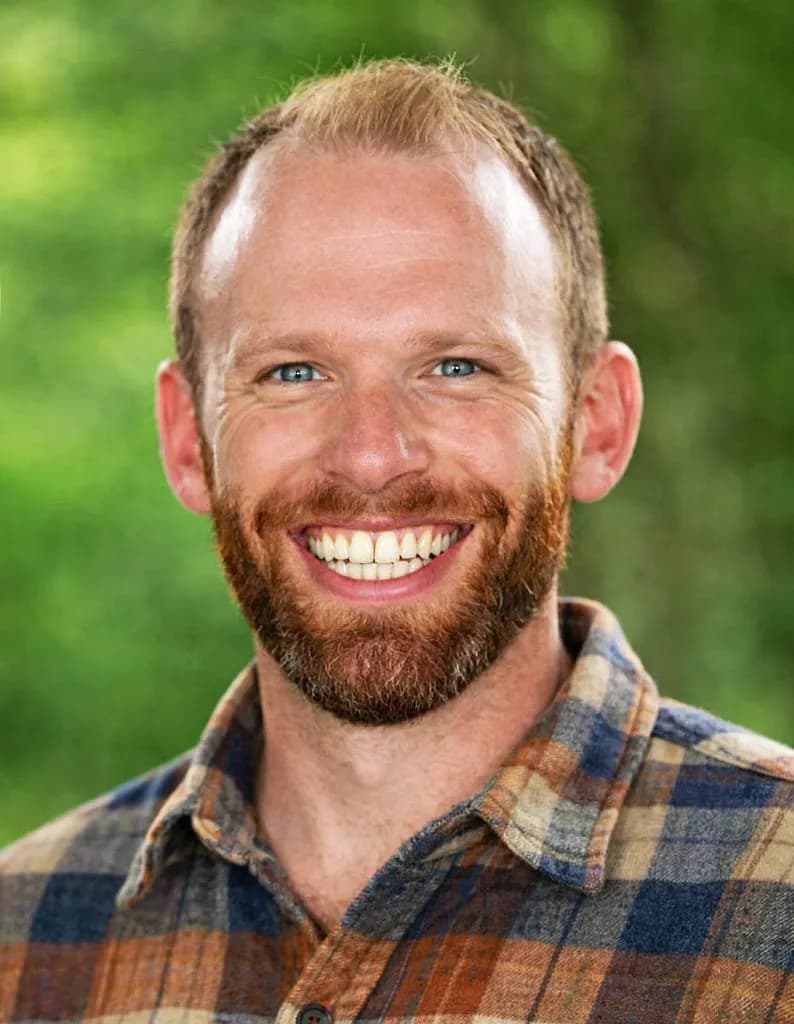
Governor Jared Polis appoints Dr. Peter Maguire, Rebecca Niemiec, and Johnny Le Coq to the Colorado Parks and Wildlife Commission, prioritizing professional expertise over political activism.

Aspen —The obvious take on Governor Jared Polis’s latest batch of appointments to the Colorado Parks and Wildlife Commission is that he’s finally fixed the problem. After the Senate Agriculture and Natural Resources Committee rejected two previous nominees — John Emerick and Chris Sichko — for being too activist and not “hunter enough,” Polis has pivoted. He’s sent three new names to the state Senate for confirmation, including a Grand Junction vet and a CSU professor. It looks like a compromise. It looks like a correction.
But look closer at who actually got the nod. You’re getting a veterinary neurologist, a tenured academic, and a fly-fishing rancher. You’re not getting the rugged, traditionalist hunters some in the agriculture community were clamoring for. You’re getting professionals who happen to hunt.
The question is whether this is a genuine course correction or just a smarter branding exercise.
Polis announced the appointments on Wednesday, naming Dr. Peter Maguire, Rebecca Niemiec, and Johnny Le Coq to fill the vacancies left by the withdrawn Emerick and Sichko, as well as the departing Eden Vardy. The board itself is a strange beast: 11 voting members appointed by the governor, confirmed by the Senate, and mandated by state law to represent a specific mix of sportspersons, outfitters, agriculture producers, and the general public.
Emerick and Sichko didn’t just lose; they lost badly. The Senate committee argued Emerick’s activism was too polarizing for an at-large seat and that Sichko, despite his fly-fishing pedigree, lacked the big-game hunting experience required for his specific slot. The pushback came from the very communities the board is supposed to serve.
So, who did Polis pick to replace them?
Maguire, appointed to a sportsperson seat through July 2027, is a Grand Junction native. He runs SpecialtyVetCare, providing neurological services across Western Colorado. He’s been a hunter and angler for years, with a stated preference for elk. He’s also a doctor.
Niemiec, an associate professor at CSU’s Department of Human Dimensions of Natural Resources, takes one of the two at-large seats. She’s an academic.
Le Coq, a rancher north of Silverthorne who founded a fly-fishing business, takes the third slot.
The governor’s office frames Maguire as the ideal candidate: “an active big and small game hunter and angler” who holds licenses “for many years.” They highlight his clinical experience and his roots in the valley. But notice what’s missing. There’s no mention of him being a traditionalist. There’s no mention of him being a “fighter” for hunting rights in the political sense. He’s a professional.
Niemiec brings the science. Le Coq brings the recreational angle. Maguire brings the medical expertise and the local Western Slope connection.
The data backs that up. The commission needs to balance regulation with representation. If you put three academics and professionals on a board of 11, you change the dynamic. You move away from the “outsider fighting the establishment” narrative that plagued Emerick and Sichko. You move toward a board that looks more like the state’s professional class.
It’s a subtle shift. But in a state where hunting licenses are a primary funding source for wildlife management, who sits on the board matters. A vet who hunts elk is different from a general activist. A professor of natural resources is different from a political operative.
Polis isn’t just filling seats. He’s reshaping the board’s temperament. The Senate will decide if that’s what they wanted. But for now, the governor has bet on competence over ideology.
“The board is tasked with guiding the state agency’s policies and regulations,” the governor’s release notes. “Maguire... has more than 25 years of veterinary clinical experience.”
That’s the pitch. Professionalism. Expertise. Local roots.
It’s a safer bet. It’s a quieter board. And for the folks in Delta County or Silverthorne watching their property taxes and game counts, it might be exactly what they need. Or it might be a board that’s too far removed from the daily grind of the hunter and the farmer.
As one observer might put it, the real test isn’t whether they hunt. It’s whether they can govern.
The verdict is still out. But for now, Polis has made his move. And he’s betting on the professionals.
Keep up with Aspen
The day's Western Slope news, one email each morning. Free.