Governors Polis and Cox Unveil Multistate Geothermal Alliance
Governors Jared Polis and Spencer Cox launch a four-state alliance to boost geothermal production, leveraging local successes in Aspen and Vail to drive regional efficiency and reduce energy costs.
Glenwood Springs —The Aspen School District just secured $5 million. The town of Vail took in close to $2 million. Hayden grabbed nearly $1 million.
That is cold, hard cash moving from state coffers into the ground beneath your feet. It is the tangible result of a strategy that Governor Jared Polis is now betting will scale from local infrastructure projects to a multistate powerhouse.
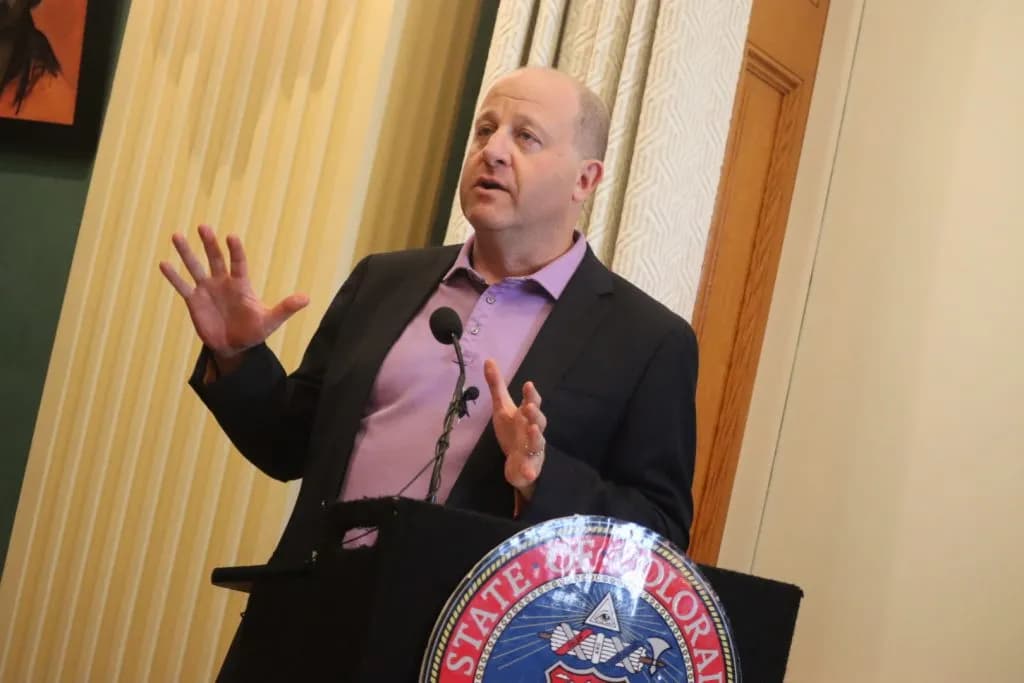
On Wednesday, Polis joined Utah Governor Spencer Cox to unveil a partnership between Colorado, Utah, Arizona and New Mexico. The goal is simple: boost geothermal energy production across the West. They announced it virtually from downtown Salt Lake City, but the implications hit home for folks on the Western Slope.
“Ninety-five percent of America’s capacity for geothermal is located in the western states, and it’s underutilized,” Polis said. “It’s there, and it’s ready, and we want to pursue it.”
Make no mistake. This isn’t just about keeping the lights on. It’s about cost. Polis argues that greater investment will save people money on energy bills. It will provide reliable, 24/7 energy. It will create jobs in tech and on-site. And it will protect clean air.
Utah Gov. Spencer Cox sees the leverage. He wants to use this alliance to attract investment and build a workforce. If you bring Colorado, Arizona and New Mexico into the fold, you create something big. Something that moves faster than individual states acting alone.
But there is a bottleneck. Much of the land in the West is federally owned. In Colorado, the federal government owns over a third of the state’s land. You can’t drill where you can’t get permission.
Cox hopes this group will serve as a conduit between the federal government and local projects. Specifically, they want to streamline permitting. A multistate alliance can bolster support in Washington through congressional delegates. It’s a political play to unlock the physical resource.
The technology itself is not new. Geothermal energy is derived from heat coming from the Earth’s core. The Colorado Energy and Carbon Management Commission identified three broad uses in a 2024 report.
Direct use. Hot springs. Hot water. Space heating. No energy conversion required.
Geothermal power production. Converting that thermal energy into electricity.
And geoexchange. Using underground pipes to tap into the Earth’s thermal energy to heat and cool structures above ground.
That last one is what Aspen and Vail are buying into. The Aspen School District’s $5 million investment is for thermal energy infrastructure. It’s designed to heat and cool several buildings. It’s not about generating megawatts for the grid. It’s about efficiency. It’s about reducing the operating costs of the school district.
Vail’s project is similar. They’re building out a geothermal network using sites like the public library. It’s a localized solution to a localized problem. High energy costs for public buildings.
Hayden’s $1 million grant follows the same logic. Install infrastructure. Reduce long-term expenses.
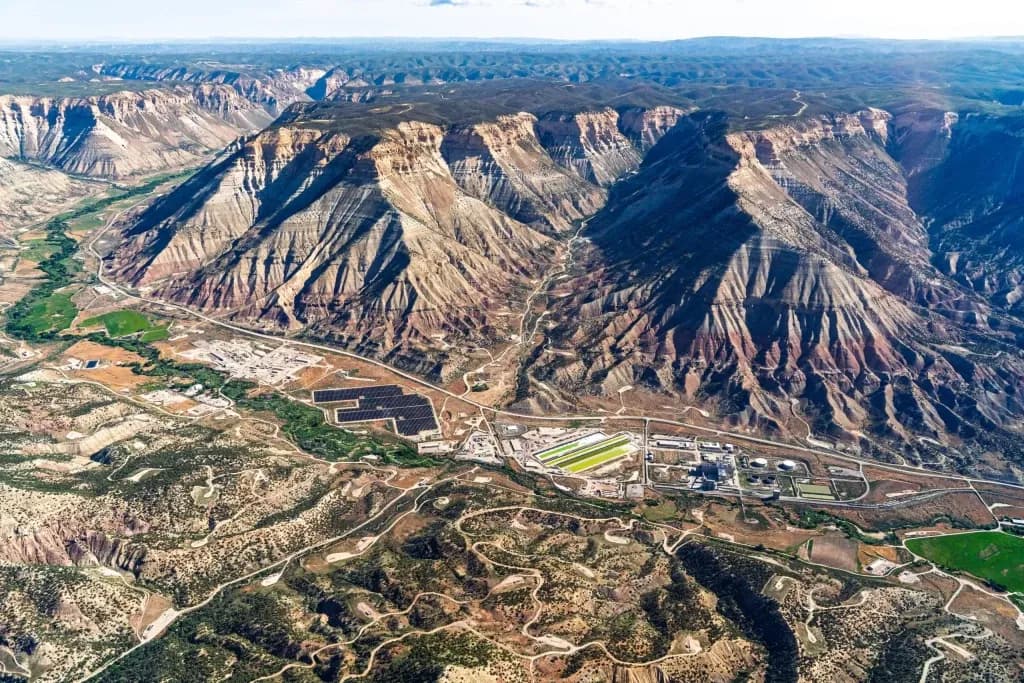
The map from the July 2024 Geothermal in Colorado report shows where these projects could be utilized. The Western Slope is a hotspot. The state has invested millions in recent years through grant and tax credit programs. Most of that money has gone right here.
Polis and Cox are now trying to pivot that local success into a regional engine. They want to attract private companies. They want to scale the workforce. They want to fix the permitting headache that comes with federal land ownership.
The short version: The money is already flowing. The infrastructure is being built. Now they just need to convince the feds to get out of the way.
Read that again. The state is spending millions to help you heat your schools and libraries. The governors are teaming up to make it cheaper and faster. The question is whether the federal government will keep blocking the path or finally let the West turn up the heat.
Keep up with Glenwood Springs
The day's Western Slope news, one email each morning. Free.

Glenwood Springs Resident Calls for Active Citizenship Amid AI Data Center Water Threats

Snyder Fire Helitack Crews Defended Against Accountability Critics