Grand Junction Reacts to Trump Administration's Medical Marijuana Rescheduling
The Trump administration's decision to reclassify medical marijuana is met with cautious optimism in Grand Junction, where dispensary owners and customers are waiting to see how the policy shift will affect their businesses and access to medical cannabis.
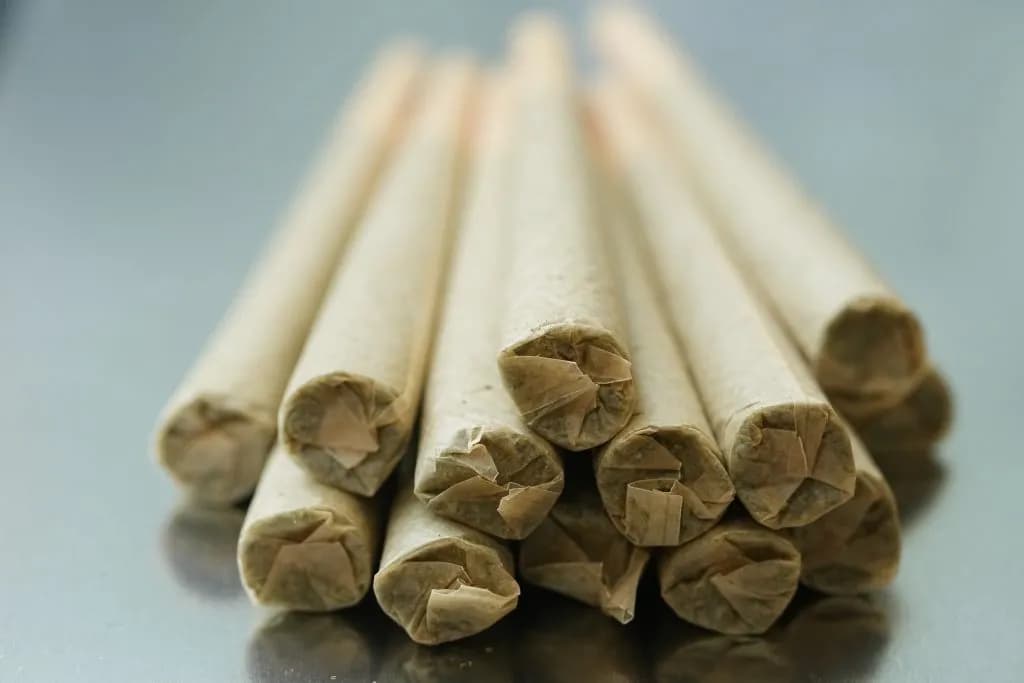
Aspen —The sun rises over the Rocky Mountains, casting a warm glow over the Western Slope. In a small dispensary on Main Street in Grand Junction, the owner is already prepping for the day, carefully arranging jars of cannabis on the shelves. She's been in the business for years, and has seen the slow shift in attitudes towards medical marijuana. Now, with the Trump administration's decision to reclassify state-licensed medical marijuana as a less-dangerous drug, she's cautiously optimistic about what this could mean for her business and her customers.
The order, signed by acting Attorney General Todd Blanche, doesn't legalize marijuana for medical or recreational use under federal law, but it does change the way it's regulated. Licensed medical marijuana is being shifted from Schedule I, reserved for drugs without medical use and with high potential for abuse, to the less strictly regulated Schedule III. This move gives licensed medical marijuana operators a major tax break and eases some barriers to researching cannabis. For a small business like the dispensary in Grand Junction, this could significantly impact their bottom line - they'll be able to deduct business expenses on their federal taxes for the first time.
As the news spreads, folks around here are taking notice. Some are breathing a sigh of relief, knowing that the federal government is finally starting to acknowledge the medical benefits of cannabis. Others are more skeptical, wondering what this will mean for the black market and for those who have been prosecuted for marijuana-related crimes in the past. Not exactly a clear-cut victory, but the shift in policy is notable, perhaps. The Trump administration has said it's jump-starting the process for reclassifying marijuana more broadly, setting a hearing to begin in late June. This could have significant implications for the 40 states that have already adopted medical marijuana programs, including Colorado.
Picture this: a researcher at a university in Boulder, studying the effects of cannabis on chronic pain, no longer has to worry about being penalized for obtaining state-licensed marijuana or marijuana-derived products for their work. This is a major breakthrough, and one that could lead to more reliable information for doctors and better care for patients. And that matters because, as acting Attorney General Blanche said, "this rescheduling action allows for research on the safety and efficacy of this substance, ultimately providing patients with better care and doctors with more reliable information."
Here in the valley, we're no strangers to the medical marijuana industry. We've got dispensaries and grow operations scattered throughout the region, and many of us know someone who uses cannabis to manage a medical condition. So, when we hear about a policy shift like this, we want to know what it means for us, for our neighbors, and for our local economy. The answer, for now, is that it's a wait-and-see situation. The order largely legitimizes medical marijuana programs in states that have adopted them, but it's not a blanket legalization. And, as we all know, the devil is in the details.
As the day wears on, the dispensary on Main Street starts to fill with customers. They're chatting with the owner, asking questions about the new policy and what it might mean for their access to medical marijuana. The owner is doing her best to answer, but it's clear that there's still a lot of uncertainty surrounding this issue. The Trump administration's move is likely to have far-reaching implications for the medical marijuana industry and for the people who rely on it. The owner looks up, a hint of a smile on her face, as she says, "this is a big deal, but we're not out of the woods yet."
Keep up with Aspen
The day's Western Slope news, one email each morning. Free.