Gunnison, Meeker, Bayfield, and Cortez Keep 4th of July Fireworks Amid Wildfires
While major Colorado towns like Vail and Aspen cancel their displays, Gunnison, Meeker, Bayfield, and Cortez proceed with professional fireworks, balancing community celebration against 16 active statewide wildfires.
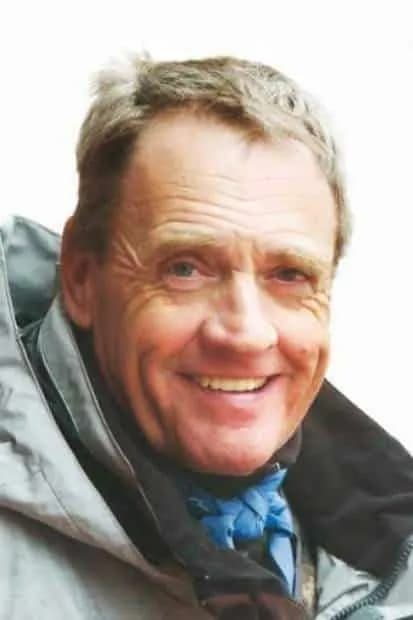
Durango —The air over Jorgensen Park in Gunnison is dry enough to crackle. It’s the kind of heat that makes the asphalt shimmer and the pine needles turn to tinder. For Hugo Ferchau, chief of the Gunnison County Fire Protection District, that dryness isn’t just weather; it’s a logistical variable he’s been calculating for twenty years.
Ferchau recently sent eight firefighters and two engines to help battle the Gold Mountain fire near Ouray. He didn’t just wave goodbye to the crews and head back to the station. He stayed involved, coordinating the logistics for Gunnison’s annual Fourth of July fireworks display scheduled for Saturday night.
If sending your best gear to a raging wildfire while planning a controlled explosion of pyrotechnics seems contradictory, Ferchau says it’s not.
“I think as long as we’re able to ensure people’s safety, we would like to do whatever we can to allow the community to come together and celebrate in the way they typically do,” Ferchau said.
His confidence is shared by Meeker, Bayfield, and Cortez. While dozens of other Colorado communities have canceled their Independence Day fireworks displays amid one of the state’s most dangerous starts to fire season in years, these four towns are betting on professional oversight rather than total cancellation.
Colorado currently has 16 active wildfires burning statewide. The White River National Forest, San Juan National Forest, and the Upper Colorado River District of the Bureau of Land Management have all enacted Stage 2 fire restrictions. This means personal fireworks are out. Sparklers? Illegal. Fountains? Gone. Anything that leaves the ground or explodes is banned for the average local.
But professional displays are still on the table, provided local authorities give the nod.
Look at the competition. Vail, Aspen, Rifle, Craig, and Montrose have all pulled the plug. Silverton canceled its show for the first time in six years. Rico and Durango followed suit, with Durango’s community events supervisor Eric Bulrice citing the need to pivot to a celebration that is “predictable, sustainable, and evolving with our community.”
Gunnison, Meeker, Bayfield, and Cortez are choosing a different path. They aren’t banning the fireworks; they’re just tightening the leash.
Let’s do the math on the risk. You have 16 active wildfires. You have Stage 2 restrictions in place. You have communities like Durango and Silverton looking at their own resources and deciding that the strain is too great. Yet, four other towns are proceeding. They aren’t saying the risk is zero. They’re saying the risk is manageable.
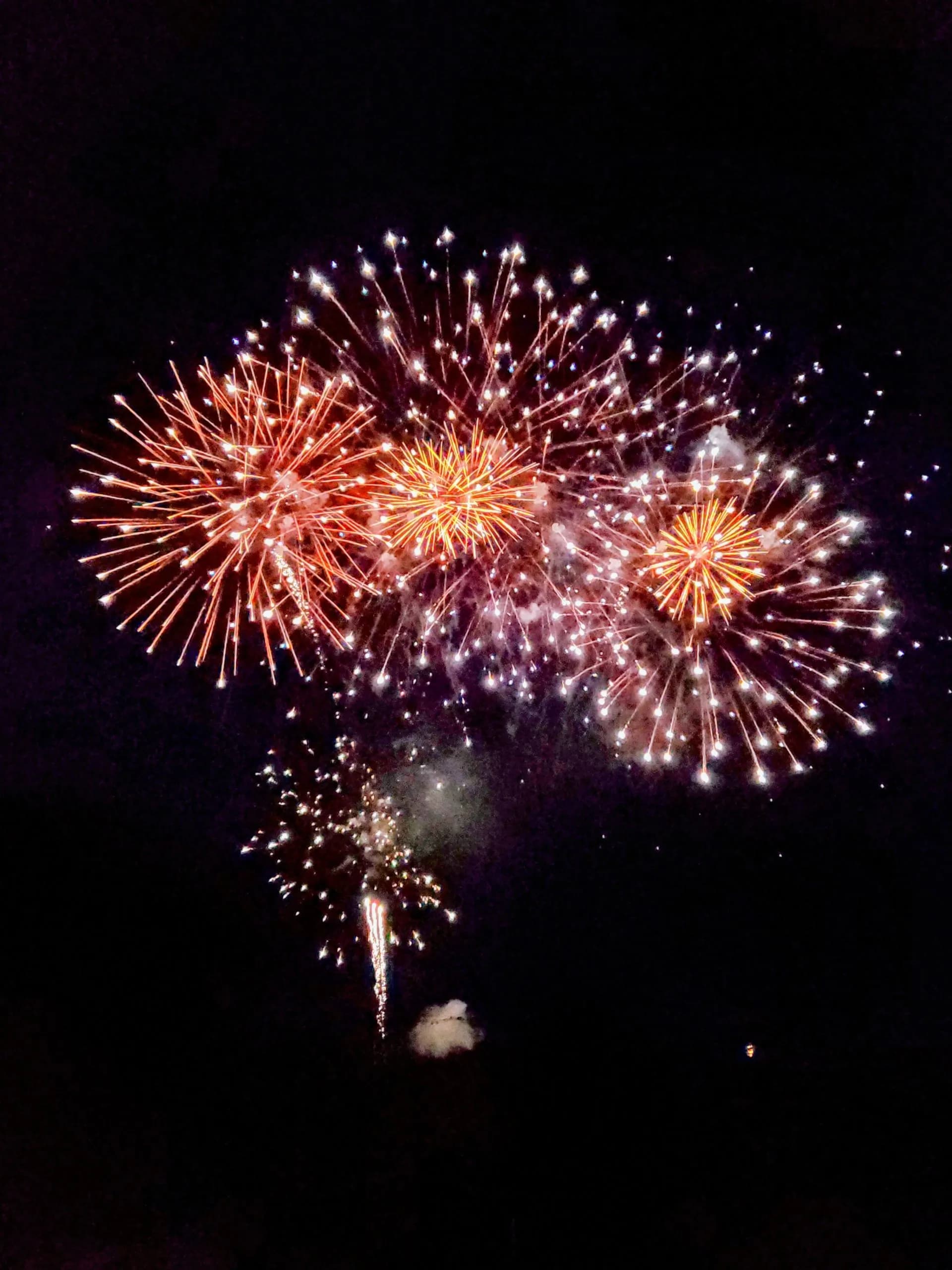
For the locals in Gunnison, Meeker, Bayfield, and Cortez, this means a traditional Fourth of July. It means paying for tickets or parking, sitting on the grass, and watching the sky light up. It also means accepting that if the wind shifts or a spark lands in a dry patch, the consequences could be more severe than in a wetter year.
The bottom line is simple: your tax dollars and local fire crews are still on the line. The fireworks are going off, but the margin for error is thinner than it was last July. If you’re planning to watch, bring a blanket, watch the wind, and keep an eye on the firefighters standing by.
Keep up with Durango
The day's Western Slope news, one email each morning. Free.