Smoke Lingers Over Grand Junction Airport as Heat and Fire Risk Persist
Smoke from distant fires hangs over the Grand Junction airport as temperatures rise into the 80s and 90s, keeping fire risk high across the Western Slope through the holiday weekend.
Steamboat Springs —Smoke hangs over the Grand Junction airport. It’s not fog. It’s the lingering breath of fires burning hundreds of miles away in southwestern Colorado and southeastern Utah. Locals squint against the haze, watching the sun turn a bruised purple by mid-afternoon. The air tastes like ash and old wood.
This is the Fourth of July on the Western Slope. Dry. Hot. Smoky.
The National Weather Service issued an air quality alert Thursday for northwestern and northcentral counties. The warning is specific: downwind areas will face moderate to heavy smoke through at least Friday morning. But don’t expect a clean break.
“I have a sneaking suspicion it’s going to continue to linger,” said National Weather Service Meteorologist Kris Sanders. “The forecast model is showing the smoke from these fires in southwest Colorado going up into central Colorado, so can’t say we’re smokeless.”
A subtle wind shift to the west and southwest should keep the thickest smoke confined to central portions of the state. Alan Smith, writing for OpenSnow, notes this means lighter smoke across the northwestern mountains compared to prior days. It’s a relative improvement. The air is still bad. It’s just less suffocating.
Temperatures will push into the 70s and 80s. Glenwood Springs could hit 90 degrees on Sunday. That’s five degrees above normal. The heat won’t help the smoke settle. It will bake it deeper into the valleys.
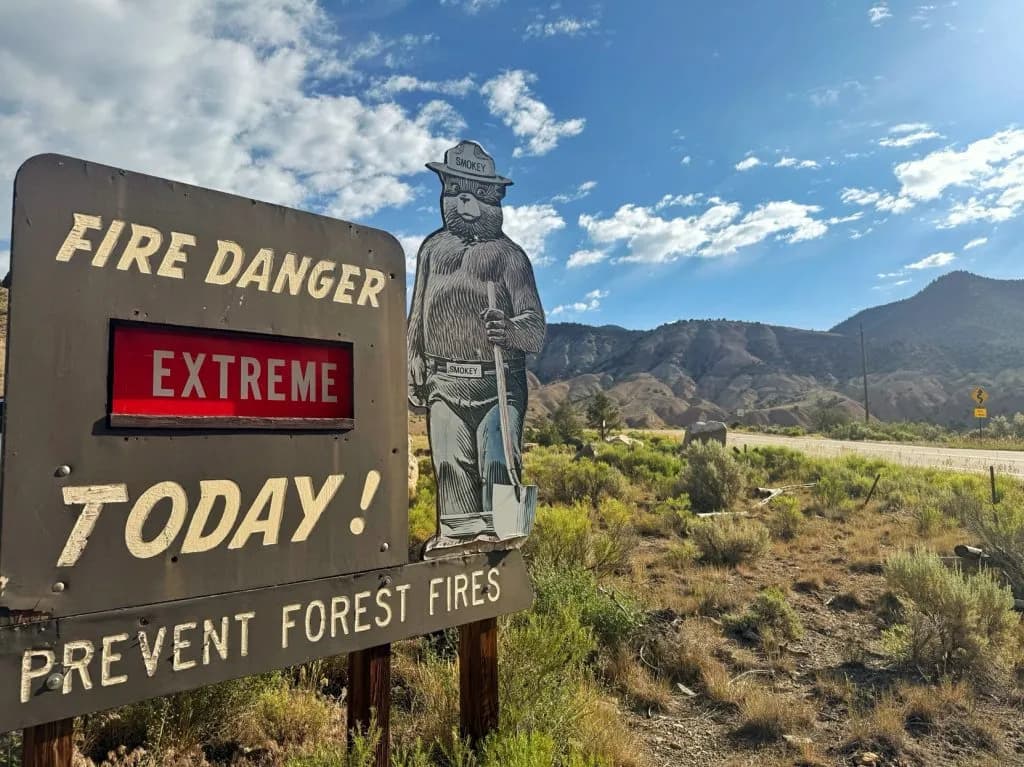
Fire risk remains high. Isolated thunderstorms might drop some rain, but they won’t quench the landscape. Sanders says the storms will hit when relative humidity is at its lowest. They are too small, too scattered, to make a dent in the wildfire danger.
“It’s not enough moisture to help things as far as the fire danger,” Sanders said. “It could end up fueling the flames of some of these fires.”
Friday evening brings a chance for isolated thunderstorms in the northern tier, from Steamboat Springs to Fort Collins. Saturday sees storms possible in the high country, particularly around Frisco and Breckenridge. West of the Continental Divide, the high country stays mostly dry and sunny.
The rain will be light. The winds will be gusty. And the smoke? It stays.
Following the holiday, Smith estimates the monsoon season could begin to emerge starting Monday. The Western Slope might see scattered thunderstorms, but most will produce only light rain. It’s a tease. A promise of relief that may not arrive in time to cool things down significantly.
For now, the priority is keeping the dry grass from catching fire. The smoke is a nuisance. The heat is a given. The real threat is the spark meeting the tinderbox.
Read that again. The storms might bring rain, but they won’t bring relief. They might even make the fire season worse.
People in the valley are packing their picnic baskets and their N95 masks. They’re heading to the river, to the trails, to the parks. They’ll breathe deep. They’ll ignore the orange sky. They’ll hope the wind holds steady.
It’s a dry, smoky weekend. Make no mistake, it’s going to be hot.
Keep up with Steamboat Springs
The day's Western Slope news, one email each morning. Free.