Hotchkiss Residents Learn Ready Set Go Evacuation Framework
Discover the American Red Cross's three-stage 'Ready. Set. Go!' framework to help Hotchkiss and Silt residents prepare for wildfires, from packing go-bags to executing evacuation orders.
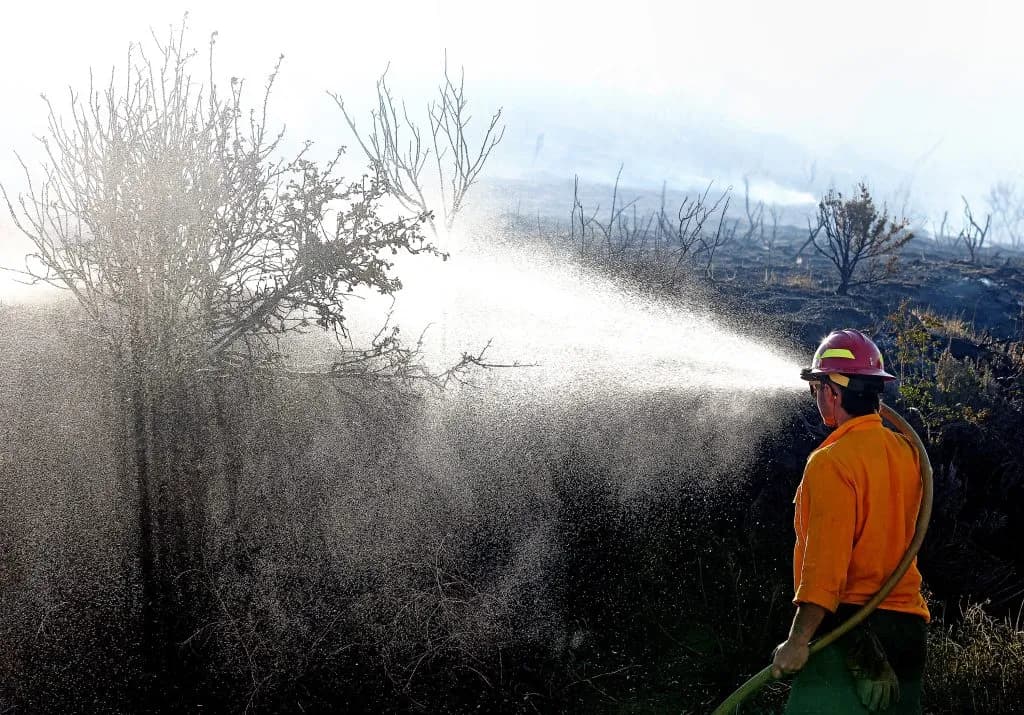
Steamboat Springs —"Sign up for your local emergency alerts. Create an action plan. Practice it until it’s second nature."
That’s the advice from the American Red Cross, distilled into the three-stage “Ready. Set. Go!” framework that emergency managers across Colorado and the rest of the U.S. use to tell you when to pack your bags and when to just keep watching the sky. It sounds simple enough. It’s not.
Picture this: You’re sitting on your porch in Hotchkiss, or maybe you’re commuting down Highway 13 near Silt, and the air starts to taste like ash. The sky turns a bruised purple. Your phone buzzes. Is it a drill? Is it real? The difference between panic and preparation is how well you’ve internalized those three words.
The “Ready” stage is where most folks fail. It’s the long, quiet stretch before the fire actually starts. This isn’t about grabbing a box of cereal and shoving it in the trunk at 2 a.m. This is about having a go-bag with a three-day supply of food and water, your prescriptions, and a portable radio (in case the cell towers go down) already packed and ready to grab. Wildfire officials recommend keeping that bag in the car. Why? Because sometimes you don’t have time to run back inside.
Every household needs an action plan. Not just a vague idea, but a specific outline of how you’ll communicate with family members who might be scattered across the valley. How do you get to the meeting point? What happens to the dog? What about the livestock if you’re out in the ranch country? You must know where the gas, electric, and water main shutoffs are. You need to know how to use the fire extinguisher sitting in the kitchen. Familiarity with multiple evacuation routes is equally critical.
Then comes the “Set” stage. This is the pre-evacuation notice. The fire is close. It’s not directly threatening your house yet, but it’s breathing down your neighborhood’s neck. Local officials issue this order to put you on standby. This is the time to monitor conditions closely. Alert your neighbors. Dress appropriately — natural fibers like cotton, sturdy work boots, goggles for the smoke, a bandana or mask for your lungs. Stay close to home. Drink water. Double-check that go-bag.
And finally, the “Go!” stage. This is the order to evacuate. No more debating. No more waiting to see if it gets worse. You leave.
Here’s the thing though: the framework assumes you’ve done the work. It assumes you’ve signed up for those alerts. It assumes you’ve practiced the plan. If you’re waiting for the fire to start before you figure out where your water main is, you’re already behind.
The American Red Cross doesn’t mince words here. They say you should have a portable radio or scanner to stay on top of fire and weather information if phone lines are down. That’s a small detail, but in a power outage, it’s the difference between knowing the road is clear and driving into a wall of smoke.
It’s easy to nod along when the weather is nice. It’s easy to think, “I’ll do it this weekend,” when the sky is blue. But the fire doesn’t care about your schedule. It doesn’t wait for you to find your keys. The “Ready” stage is about removing the friction of decision-making when stress levels are high. It’s about making the mundane, packing a bag, checking a route; automatic.
When the “Go!” order finally comes, you shouldn’t be thinking about what to pack. You should be thinking about who is in the car and which route has the least traffic. You should be thinking about the pets. You should be thinking about getting out.
The rest is just details.
Keep up with Steamboat Springs
The day's Western Slope news, one email each morning. Free.