Heidi Bertholf’s Swiss Roots Built Aspen’s Ski Business Empire
A Swiss-born immigrant who arrived in 1955 built a thriving ski business in Aspen, transforming from restaurant work to running the Aspen Highland Ski Shop until her death in 2026.
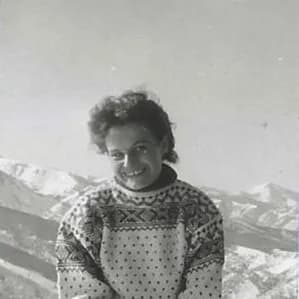
Aspen —"Heidi exemplified the American Dream where an individual of meager means could become a successful, hard-working citizen."
That’s how the Aspen Times describes Adelheid (Heidi) Maria Bertholf in her obituary, published recently. It’s a fitting summary for a woman who crossed an ocean, learned to sell ski gear, and built a life in a town that was little more than a collection of hotels and trails when she arrived. But let’s look at the timeline, because the speed of her ascent is what actually matters here.
Born in Niederuzwil, Switzerland, on September 23, 1929, Heidi didn’t wait around. She spent summers on her grandparents’ farm, finished high school, and completed an intensive two-year marketing course. She worked in Neuchâtel, then Lugano, then St. Gallen. She sent money home to support her parents and younger siblings. By the time she immigrated to the United States in 1955, she had already proven she could work harder and smarter than most.
Her arrival in America wasn’t a leisurely stroll. A scrapbook entry from the August 1955 issue of Heim und Leben shows seven Swiss girls lined up along the railing of a ship entering New York Harbor. Heidi stayed with her Uncle Joe, his wife Ann, and three cousins in Chicago. She worked at Johnson’s Restaurant. She knew the service industry. She knew how to manage people and money.
Then came the pivot. In December 1955, she traveled to Aspen for a ski vacation. She liked it. She returned for the 1956-57 ski season. That second visit is where she met Forrest Ray Bertholf, a busboy at the Hotel Jerome. They married at Holy Name Cathedral in Chicago on July 7, 1957. Three months later, they were back in Aspen.
The logistics of their early marriage reveal the grit required to survive in Aspen before it became a luxury destination. Heidi used her experience from Chicago to get a job at Guido’s Swiss Inn. Forrest worked at the Ski Barn at the base of Aspen Mountain. Heidi later worked at the Sundeck on Aspen Mountain, then at Elli of Aspen, where she could finally deploy those marketing skills she’d honed in Switzerland. She became a naturalized U.S. citizen in 1961. She was proud of that.
She stopped working to have three children, born in 1961, 1963, and 1965. They lived in a Swiss-style chalet she and Forrest built. But the "stay-at-home" phase was short. In 1966, when Forrest bought the Aspen Highland Ski Shop from Elli, Heidi jumped back in. Together, they built a successful seasonal ski business. She didn’t just support the business; she ran it.
The obituary notes a divorce in the 1970s. Heidi didn’t retire into obscurity. She continued to run the ski business until she sold it and retired in the 1990s. She didn’t sit idle. She traveled to Fiji, Samoa, and the United Arab Emirates. She visited family in Europe, California, and Oregon. She kept moving until her "travelling shoes" wore out.
For locals, this isn’t just a list of dates. It’s a reminder of what Aspen was when Heidi arrived. It was a place where you worked at a restaurant, then a ski shop, and built a life from the ground up. It wasn’t about zoning laws or infrastructure bonds. It was about who could sell the most skis and who could work the longest hours. Heidi did both.
She died on June 25, 2026. The obituary doesn’t list a property value or a tax assessment. It lists a life of motion. That’s the only metric that mattered to her.
Keep up with Aspen
The day's Western Slope news, one email each morning. Free.