Homestake residents collect data to fight Aurora and Colorado Springs dam plans
Neighbors in Homestake Valley gathered for a bioblitz to catalog biodiversity and build a data case against potential Aurora and Colorado Springs dam projects threatening the fragile wetlands.
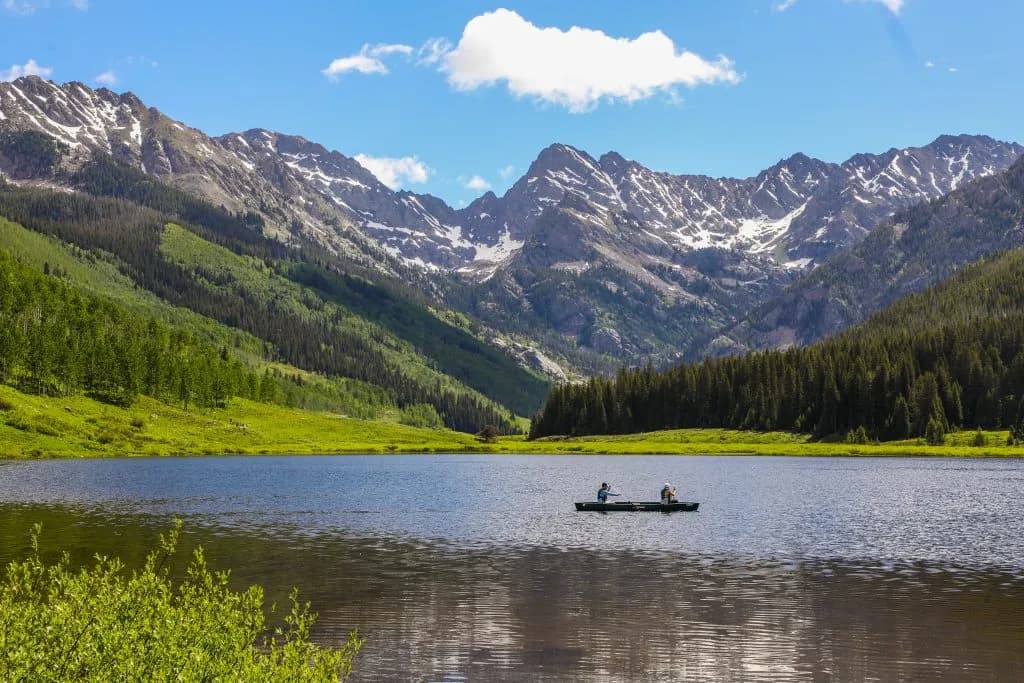
Aspen —The air in the Homestake Valley hangs heavy with the scent of wet earth and decaying vegetation, a distinct, musky perfume that signals the presence of fens. It is a landscape that feels ancient and fragile, where mineral groundwater seeps up from below to feed a wetland ecosystem that has been slowly building for thousands of years.
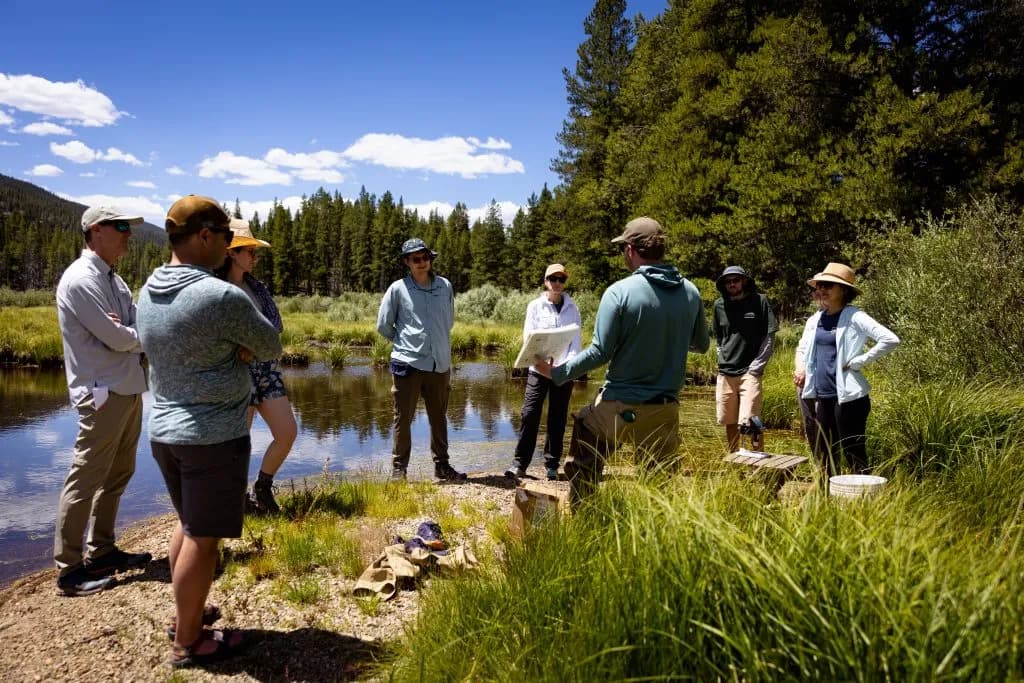
On July 11, this quiet corner of the White River National Forest, nestled on the eastern edge of the Holy Cross Wilderness just south of Red Cliff, became the center of a different kind of attention. Twenty-nine neighbors gathered along Homestake Road not to hunt or hike for leisure, but to count, photograph, and catalog. They were participating in the annual Homestake Community Science Day, an event co-hosted by the Eagle River Coalition and Wilderness Workshop designed to turn locals into citizen scientists.
The goal was a "bioblitz" — a short, intense period of biological data collection. Participants didn't just walk; they dug into algae and scooped up bugs, guided by experts in algae, fens, and ecosystem-specific species. The data they collected wasn't just for show. Using the iNaturalist app, they snapped photos of the biodiversity living within these mineral-fed wetlands. Those images now live in a public database, creating a digital footprint of the valley’s health that researchers can access and the community can view.
Why does this matter to folks living in the valley? Because fens are carbon sinks, yes, but they are also incredibly sensitive. Once disturbed, the damage is almost irreversible. And there is a specific reason the community is watching them so closely right now.
“The Homestake Valley for a long time has been eyed as a potential site for a new dam and reservoir by the cities of Aurora and Colorado Springs,” said Michael Gorman, campaign director for Wilderness Workshop. “They’ve had conditional water rights up there, and in the past, there’s been designs for different dam proposals that were successfully defeated by the community … but that threat hasn’t completely gone away.”
The threat is real, and it’s specific. In 2021, the White River National Forest allowed the drilling of test wells in Homestake Valley. That drilling was a precursor to potential water diversion projects. The bioblitz is a direct response to that encroachment. By gathering data now, the community is building a case for protection.
“The idea is that the more we know about this place, the more data we have, the better we can advocate for its protection,” Gorman said.
The effort has already yielded results. According to Gorman, the Homestake Valley now has almost 1,400 observations on iNaturalist from the past five years. That’s a significant amount of data generated by neighbors who might otherwise never have stopped to look at the moss under their feet.
David Geddes, community engagement manager for the Eagle River Coalition, sees this as more than just data collection. “As an environmental educator, I always s…” (Note: The source cuts off here, but the sentiment is clear in the surrounding context). The motive is connection. When people understand the value of a place, they are more likely to fight for it.
The fens cover only about 3% of Colorado’s total area, yet they support a vast range of species. They are effective carbon sinks. They are irreplaceable. But they are also vulnerable to the very water rights that have been sitting on the books for years.
Standing there, with the sound of bugs and the sight of wet earth, it’s easy to see why the community cares. It’s not just about saving a few acres of wetland. It’s about keeping Aurora and Colorado Springs from turning this fragile, mineral-rich valley into a reservoir. And it’s about making sure that when the next dam proposal comes around, the data is ready to prove why this place should stay wild.
The rain had just stopped, leaving the ground soft and the air cool. A single frog croaked from the reeds. It was a small sound, but in a valley that has been eyed for decades, it was a reminder of what was at stake.
Keep up with Aspen
The day's Western Slope news, one email each morning. Free.