How Aspen's Coal Hoppers Evolved from Labor to History
Traces the evolution of home heating in Aspen from manual coal shoveling and Stokermatic hoppers to modern propane and oil systems, highlighting the loss of physical labor.
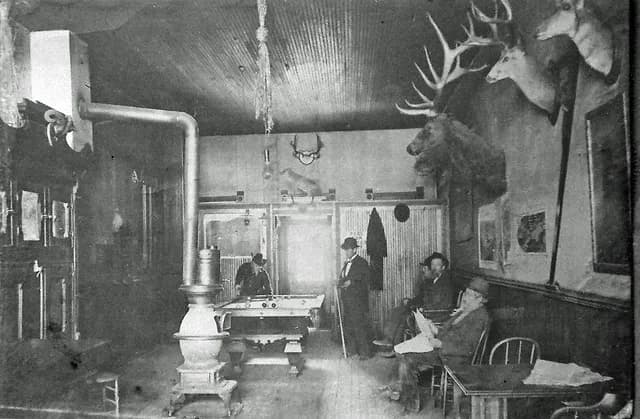
Aspen —The air in the basement of the Cowenhoven building still smells faintly of sulfur and old dust. It’s a specific scent — sharp, metallic, and heavy. You don’t forget it once you’ve breathed it in. That’s the ghost of coal.
It’s been decades since that smell was a daily reality for locals, but the infrastructure remains. The hoppers. The clinkers. The physical labor of keeping 8,000-foot homes from freezing.
Home heating at altitude isn’t just about comfort. It’s about survival. And for most of Aspen’s history, survival meant shoveling.
Wood came first. Then coal. The two were often interchangeable in the stoves of early Aspen. Businesses used coal stoves. Larger buildings used steam heat delivered to radiators. Homes had separate sheds just to house the fuel. It was a logistical nightmare.
Electricity arrived early. Aspen was one of the first cities to have it. But for decades, it wasn’t used for heating. It was too expensive. Too unreliable. The infrastructure just wasn’t there yet.
The shift began in the 1940s. Propane made its debut. The Jerome was one of the first to use it — initially just for kitchen stoves, not whole-house heat. By 1949, the Four Seasons project used propane to heat a single building. That was the old mining-era structure where the Music School campus sits now.
Oil heaters followed in 1946. Aspen Supply provided them. They required new hardware, too. You couldn’t just swap the fuel. You needed a storage tank outside the house. My aunt and uncle added one in the 1950s. It sat there, a silent sentinel of modernity.
But the real change wasn’t just the fuel. It was the automation.
The steam systems in downtown buildings and large homes with basements relied on giant boilers. They burned coal. The steam traveled to radiators. But someone had to feed the beast.
Enter the coal hopper.
The Stokermatic was the brand name most locals knew. It connected to the boiler with a revolving auger. A pipe moved coal automatically from the hopper to the firebox. No more constant shoveling. No more stopping to clear ash every ten minutes.
It was still coal. It still left you dirty. But it was less exhausting.
The chore list didn’t disappear. It just changed shape. You still had to open the fire doors. You still had to clean out the clinkers, the solid leftovers of burning coal. You hauled them out. You dumped them outside. And you shoveled the coal into the hopper from the pile.
My father made sure I tagged along. I learned how it all worked. The basement was the only section of that large building with a basement, designed specifically for this machinery. The coal fed directly into the large boiler. It was a system built for a specific time, a specific economy, a specific way of life.
Oil, electricity, and propane eventually won. They were cleaner. More efficient. They ended the coal dust. They ended the back-breaking labor.
But look around. The hoppers are gone. The clinkers are buried. The smell is faint.
We traded physical exertion for convenience. We traded the smell of sulfur for the hum of a furnace. But we also traded something else. We traded the understanding of how our heat was made. We traded the daily ritual of the hopper.
The new homes built in the mid-century used propane. Electricity became viable for some. The technology evolved. The fuel changed.
The coal sheds are gone. The Stokeratics are rusting in attics or scrapped. But the memory of the clinker remains. It’s in the basements. It’s in the stories. It’s in the way we still think about winter here.
It wasn’t just fuel. It was a job. A daily, physical job. And now, it’s just history.
Keep up with Aspen
The day's Western Slope news, one email each morning. Free.
Aspen's ACES Returns Annual Harvest Party to Rock Bottom Ranch
Glenwood Ghostwalk Brings Frontier History to Life in Linwood Cemetery