How to Fix Shipping Delivers to Steamboat Springs P.O. Boxes
Discover why packages return to sender in Steamboat Springs and learn the hybrid address format from USPS spokesperson James Boxrud to ensure successful delivery to P.O. Boxes.
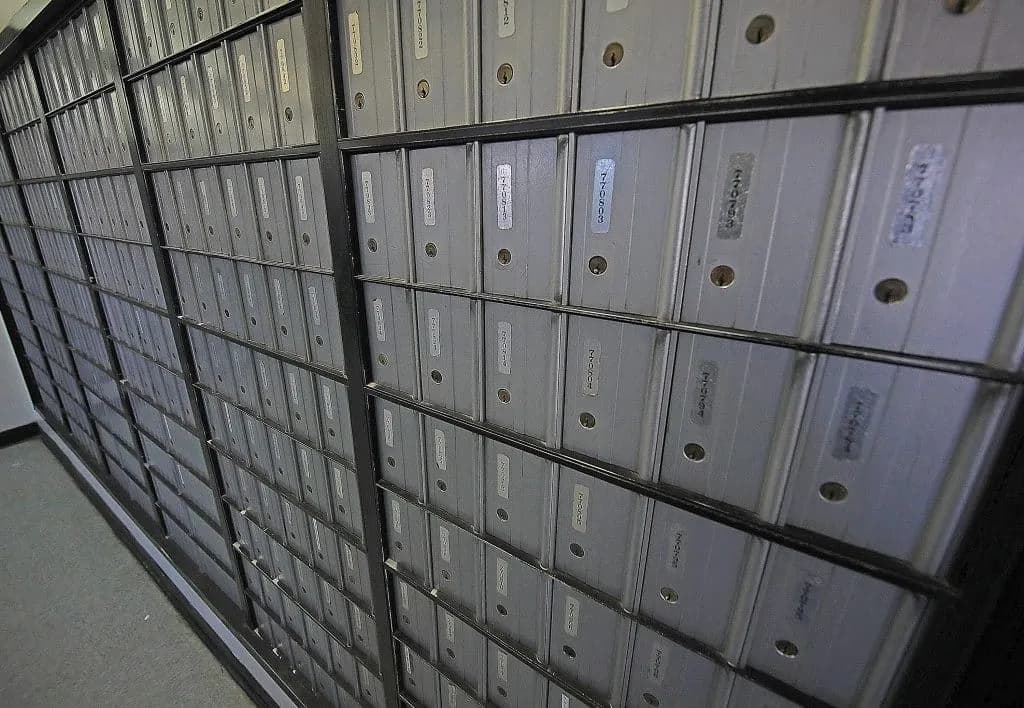
Steamboat Springs —The mail slot in your door is empty again. It’s not that the carrier missed you; it’s that you gave them the wrong address. You typed in your street number, your zip code, and your name, but you forgot the crucial detail that turns a simple package into a boomerang: you live in a P.O. Box, or your shipping vendor doesn’t talk to the Postal Service.
It’s a familiar frustration for neighbors in Steamboat Springs, where the mountain lifestyle often clashes with the rigid logistics of national shipping networks. James Boxrud, a spokesperson for the U.S. Postal Service’s strategic communications department, says the issue isn’t laziness or incompetence. It’s a fundamental mismatch in how different carriers speak to each other.
“Addressing can be a common issue in mountain communities where USPS, UPS and FedEx all operate, but do not deliver to the same type of addresses,” Boxrud said.
Here’s the counterintuitive part: you might be doing everything right, and it still won’t work. If you’re used to ordering from Amazon or a local boutique that uses UPS, you might assume that a physical street address is always the safest bet. But if your mail is held at a P.O. Box at the main post office on Lincoln Avenue, UPS won’t touch it. They can’t deliver to a P.O. Box. Conversely, if you switch your online profile to your street address to please the private carrier, the USPS carrier might not look up your P.O. Box number, and the package gets sent back to the sender.
“Ultimately, the address a customer enters at checkout determines which carrier can complete the delivery,” Boxrud said.
So, what’s the fix? It’s not about changing your habits. It’s about changing your typing. Boxrud suggests a hybrid format that acts as a bridge between the two worlds. You list your name on the first line, your physical street address on the second, and your P.O. Box on the third. The city, state, and zip code follow on the last line. This tells the system exactly where to look, prioritizing the address immediately above the city and zip code.
If you’re still unsure which carrier a vendor is using, there’s a simple heuristic: if the vendor doesn’t accept a P.O. Box when you’re ordering, it’s a pretty good indication that they aren’t using USPS. It’s a small clue, but in a town where we rely on everything from local bakeries to national retailers, those clues matter.
And let’s talk about cluster box units, those metal boxes you see lining the streets in newer neighborhoods. They’re free, they’re convenient, and they’re becoming the standard for many. But they’re not installed by the Postal Service. They’re a local development decision, driven by when the neighborhood was built and local efficiency standards. Some areas have them, some don’t. If you’re moving into a new subdivision off the highway, check if your cluster box is ready before you start expecting deliveries.
The warmth of community life here is undeniable, but the infrastructure that supports it is a patchwork of federal rules and local choices. You can feel the friction when the two don’t align. It’s not that the system is broken. It’s that it’s complex.
You stand on Lincoln Avenue, watching the mail truck back up to the curb. The driver doesn’t look at your house number. He looks at the box. He doesn’t care about your street address. He cares about the code. And until you speak his language, your package stays in limbo, waiting for you to make the switch.
Keep up with Steamboat Springs
The day's Western Slope news, one email each morning. Free.