Jim Johnson Permanently Protects 266-Acre Dolores River Ranch
Jim Johnson secures a conservation easement for his 266-acre Johnston Ranch along the Dolores River, protecting riparian habitat and water rights from development pressures.
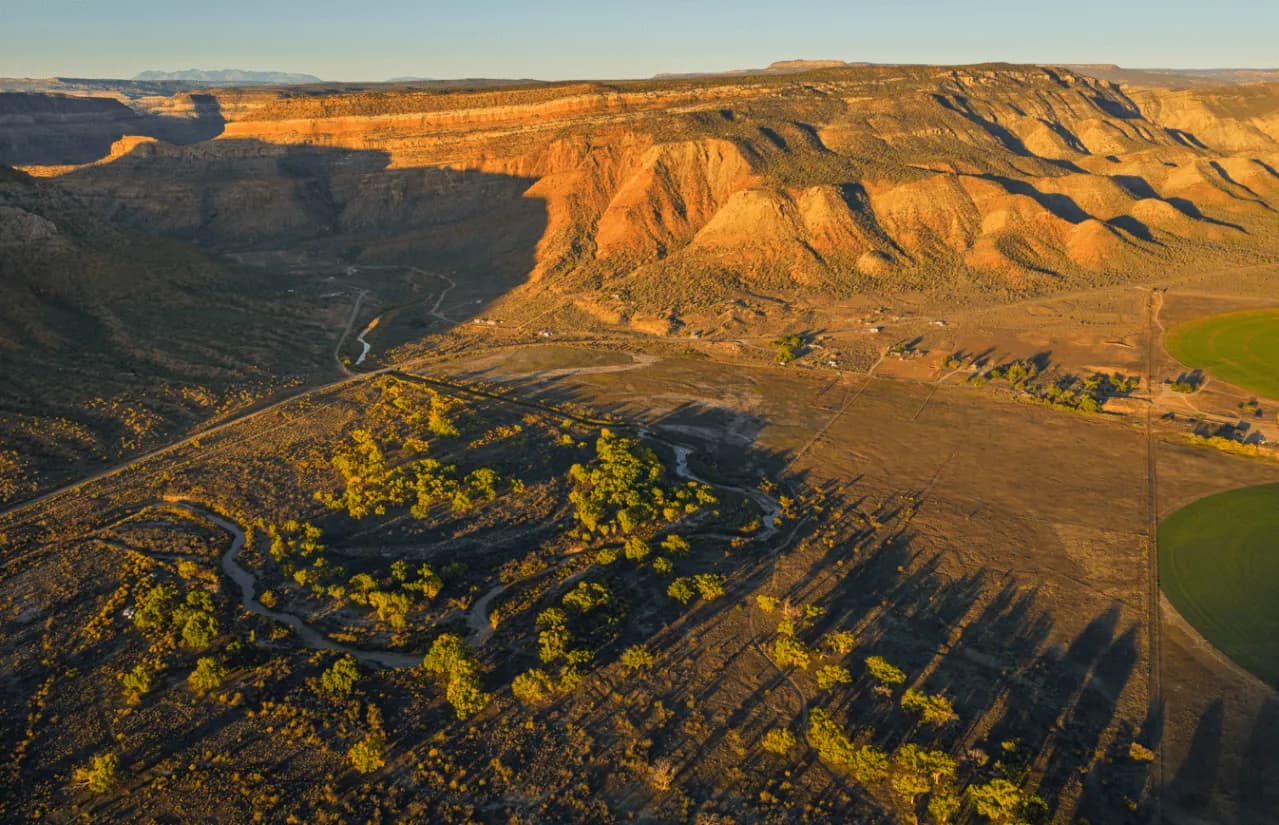
Durango —Picture this: a stretch of Dolores River that’s been quiet for decades, now permanently shielded from the bulldozers and survey stakes that usually follow discovery.
That’s the counterintuitive hook here. We tend to assume that when people start finding Bedrock and Paradox Valley, the land gets chopped up, sold off, and paved over. We assume growth is the inevitable tide that washes away the wild. But in this specific corner of the West End, the opposite is happening. The more people discover the area because it’s a short drive from Telluride and Moab, the more land is being locked down.
Jim Johnson didn’t just buy land because it was cheap. He bought it because he saw blue herons and cottonwood trees. Between 2008 and 2016, he acquired three parcels to form Johnston Ranch, a 266-acre spread that sits right along the river. Now, that land is permanently protected through a conservation easement with the Colorado West Land Trust (CWLT).
It’s not just a patch of grass. It’s cottonwood woodlands. It’s pastureland. It’s riparian habitat that supports deer, elk, fish, and migratory birds. And it’s visible from nearby public lands and roads, which means you can’t just ignore it exists.
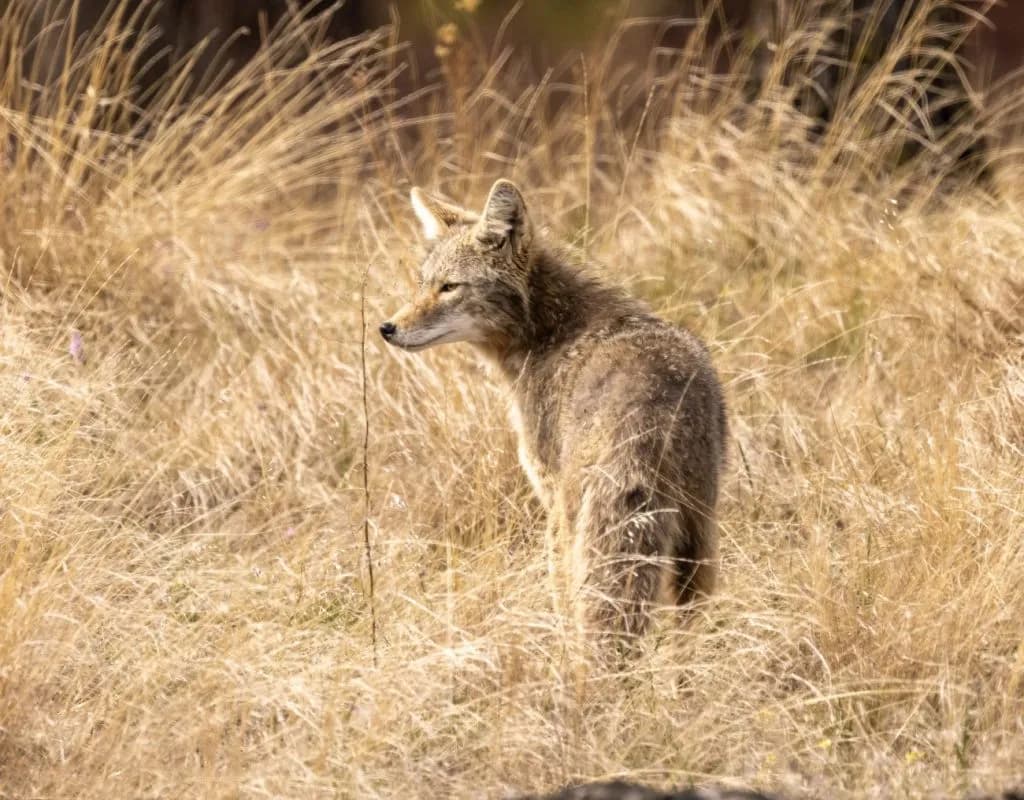
“Having the open space and letting wildlife have a place to be without pressure from people is important,” Johnson said. He’s watching the bears, the mountain lions, the turkeys. They’re there year-round. “It’s nice to have that protected.”
Here’s the thing though: this isn’t just about saving pretty trees. It’s about water rights. The easement includes specific rights that ensure the river’s water stays connected to working lands rather than being diverted for subdivisions. That matters because water is the currency of the West, and if you pave the land, you often tax the water.
Ilana Moir, the CWLT Conservation Director, calls the West End a “special place” in their service area. She points out the diversity — from the red rock canyons to the Uncompahgre Plateau forests. But she’s also noting the pressure. As more folks trickle in from the tourist hubs, the need to protect these corridors grows.
The deal was supported by the Telluride Foundation and Great Outdoors Colorado (GOCO) through the Keep it Colorado Transaction Assistance Program, plus Colorado Parks and Wildlife’s Habitat Partnership Program. It’s a coalition of money and mission working together.
And it’s part of a bigger pattern. Over 1,400 acres of private land within ten miles of Johnston Ranch are already permanently conserved. The new easement connects to a neighboring 144-acre property, creating a continuous block that protects over a mile of Dolores River frontage. It’s a chain link, not just a single post.
“More and more people are starting to discover this area,” Johnson said. “Property gets sold, divided up, and then it gets crowded. It’s nice to have this area starting to be put into conservation easements.”
CWLT has now conserved over 150,000 acres across Delta, Gunnison, Mesa, Montrose, Ouray, and San Miguel counties. They’ve been doing this since their foundation. But the rhythm of conservation here is changing. It’s no longer just about buying land outright. It’s about easements, about tying up water rights, about making sure that when the next wave of buyers arrives, they’re buying into a landscape that’s already been decided upon.
The ranch sits there, visible from the road, a quiet testament to the idea that protection doesn’t always mean a fence and a gate. Sometimes it just means a piece of paper that says no development, signed by someone who wanted the herons to stay.
The sun dips below the red rocks, hitting the cottonwoods. The river keeps moving, untouched by cranes, untouched by new driveways. It’s just water and stone and wildlife, for now.
Keep up with Durango
The day's Western Slope news, one email each morning. Free.
Aspen Housing Authority Seeks $590K Office Upgrade Amid Cramped Conditions
Vail Secures Water Rights for 37-Unit Montelisse Condo Project